What emergency equipment should you absolutely have in your first aid kit?
Importance of a first aid kit
Why having a first aid kit is essential?
When accidents happen, it's important to be prepared and have a first aid kit on hand. Whether at home, in the car, while traveling or at work, injuries and illnesses can occur at any time. A well-equipped first aid kit allows you to react quickly and efficiently while waiting for medical help to arrive.
What should a first aid kit contain?
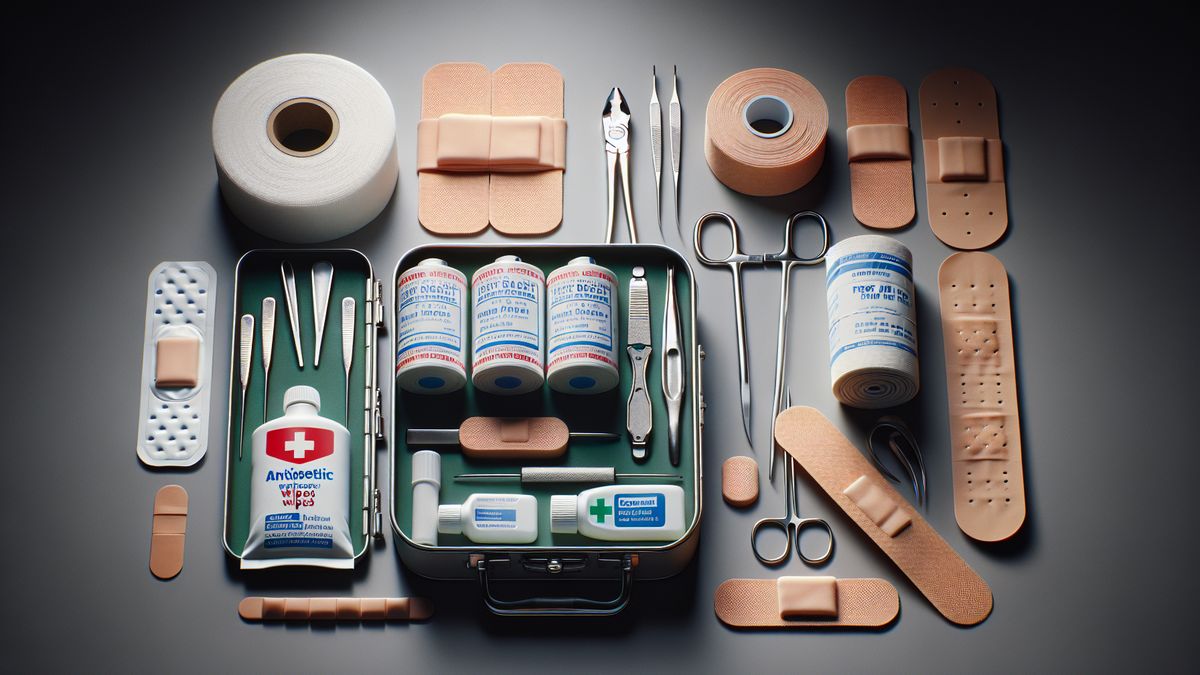
Here are the essential elements that your first aid kit should contain:
Bandages and dressings:
- Adhesive dressings of different sizes for small wounds.
- Sterile bandages to cover larger wounds.
- Compresses to stop bleeding.
Disinfectants:
- Antiseptic wipes or 70% alcohol to clean wounds.
- Sterile saline solution to rinse eyes or burns.
Tools:
- Round-tipped scissors for cutting bandages or clothing.
- Tweezers to remove splinters or foreign bodies.
Basic medications:
- Analgesics such as paracetamol to relieve pain.
- Antihistamines to treat mild allergies.
- Antibiotic creams or ointments for burns or wounds.
Other important elements:
- Disposable gloves to avoid contamination.
- Survival blankets to keep warm in case of emergency.
- A resuscitation mask to perform CPR if necessary.
- A first aid guide with basic instructions.
Maintain and renew your first aid kit
It is essential to keep your first aid kit up to date. Check the expiration dates of medicines regularly and replace them if necessary. Also make sure that all items in the kit are in good condition and ready to use in an emergency. Keep the kit in an easily accessible place and let family members or coworkers know its location.
In conclusion, having a complete and well-organized first aid kit is essential to deal with small everyday accidents. It allows first aid to be provided quickly and efficiently while waiting for professional medical help to arrive. Remember to be trained in first aid and know how to use the items in your first aid kit correctly.
Essentials to include in a first aid kit
1. Disinfectants and antiseptics
It is essential to have disinfectants and antiseptics in a first aid kit because they help clean wounds and prevent infections. Products such as hydrogen peroxide, antiseptic solution and disinfectant wipes are recommended. It is also important to have disposable gloves to avoid cross contamination.
2. Bandages
Bandages are essential for small wounds, scrapes, cuts and blisters. Opt for a variety of adhesive bandages in different sizes, as well as specialty bandages like blister bandages, waterproof bandages and joint bandages.
3. Bandages and compresses
Bandages and compresses are essential for immobilizing an injury, applying pressure and absorbing bleeding. Make sure you have elastic bandages, triangular bandages, gauze strips, sterile pads and adhesive strips to hold the dressings in place.
4. Medications
It is important to have some basic medications in a first aid kit, such as pain relievers (paracetamol, ibuprofen), antihistamines (for allergies), and heartburn medications. Also consider including medications your family members regularly take, such as medications for high blood pressure or diabetes.
5. Tools
Some tools can be very useful in a first aid kit. Essentials include round-tipped scissors, tweezers, a thermometer, a tick remover, a small flashlight and latex gloves. These tools are handy for removing splinters, taking temperatures, examining wounds or putting on protective gloves.
6. Specific products
Depending on your family's specific needs, you can add some specific products to your first aid kit. This may include soothing creams for burns, hemostatic dressings for heavy bleeding, heat patches for muscle pain, or medications for nausea and vomiting.
7. Useful information
Don't overlook the importance of useful information in a first aid kit. Include a list of emergency numbers, a card with the family doctor's address, first aid instructions, and a list of medications taken by each family member (for reference in case of emergency). medical).
In summary, a first aid kit should contain disinfectants, dressings, bandages and compresses, basic medications, essential tools, specific products if necessary, as well as useful information. Be sure to check the products regularly and renew them if they expire.
Essential single-use items
Whether at home, traveling or at work, it is important to have a kit of single-use items to deal with the small accidents of everyday life. These disposable items are designed for single use, ensuring they are clean and preventing the spread of infections. Here is a list of essential single-use items to have in your first aid kit.
Disposable gloves
Disposable gloves are essential to prevent contamination when handling potentially hazardous substances or caring for the injured. They are particularly important for first aid, to ensure hand cleanliness before providing care. Disposable latex gloves are recommended, but there are also nitrile alternatives for those with allergies. It is advisable to have a box on hand in your first aid kit.
Face masks
Disposable face masks have become indispensable in our daily lives with the outbreak of the COVID-19 pandemic. They provide protection against airborne particles and reduce the risk of spreading viruses and bacteria. It is recommended to have disposable face masks in your first aid kit for use during emergency situations or when social distancing is not possible.
Disinfectant wipes
Disposable disinfectant wipes are ideal for cleaning potentially contaminated surfaces. They are convenient to use and eliminate germs and bacteria in a single gesture. Disinfectant wipes can be used to clean superficial wounds, first aid kit items and even work surfaces. It is recommended to choose strong disinfectant wipes and to have several in your first aid kit.
Urinary catheters
Disposable urinary catheters are used for urine drainage in people who have difficulty urinating on their own. They are essential for maintaining proper hygiene and avoiding urinary tract infections. It is important to have sterile disposable urinary catheters in your first aid kit if you have a history of urinary problems or if you are traveling to places with limited sanitation facilities.
Adhesive dressings
Disposable adhesive bandages are used to cover small wounds and cuts to protect them from infection and promote healing. It is recommended to have different types and sizes of adhesive bandages in your first aid kit to deal with all kinds of injuries. Some disposable adhesive bandages are also specially designed to be water resistant, allowing them to be used even during water activities.
Sterile compresses
Disposable sterile pads are used to clean wounds and apply medications or antiseptics. They are also used to absorb bodily fluids when caring for the injured. It is recommended to have sterile disposable compresses in your first aid kit to maintain adequate hygiene when treating wounds. Pre-cut sterile compresses are very practical because they avoid having to cut them yourself.
Safety pins
Disposable safety pins are used to hold bandages in place and prevent them from coming loose. They are also useful for removing splinters or other objects trapped in the skin. It is recommended to have several disposable safety pins in your first aid kit to deal with all kinds of emergency situations.
Physiological serum
Disposable saline is used to clean the eyes, nose or wounds. It helps flush irritants and debris from the eyes, clear blocked nasal passages and clean wounds before applying medications or dressings. It is recommended to have disposable doses of physiological serum in your first aid kit for effective and hygienic cleaning of wounds.
It is important to have a well-equipped first aid kit with essential single-use items. These disposable items guarantee cleanliness and avoid the risk of contamination. Disposable gloves, face masks, disinfectant wipes, urinary catheters, adhesive bandages, sterile gauze, safety pins and saline are single-use items that should be present in every first aid kit.
Other emergency equipment to consider
Other emergency equipment to consider
When it comes to preparing for emergencies, having the proper emergency equipment in a first aid kit is essential. In addition to basic items such as dressings, disinfectants and compresses, there are other important equipment to consider when dealing with all kinds of emergency situations. Here are some of the additional emergency equipment to consider:
1. Disposable gloves
Disposable gloves are an essential part of any first aid kit. They provide protection against blood-borne diseases and help avoid cross-contamination during wound management. It is recommended to have a suitable size for each member of the family.
2. Medical scissors
Medical scissors are useful for cutting bandages, clothing or any other material requiring rapid intervention. Opt for scissors with rounded tips to avoid damaging the skin when using them.
3. Tweezers
Tweezers can be used to remove splinters, scarves or small debris from a wound. They are also practical for removing ticks. Make sure to use tweezers with a fine tip and a good grip.
4. Thermometer
A thermometer is important for taking a person's temperature if they have a fever or feel unwell. Choose a digital thermometer that allows accurate and fast measurements.
5. Survival blanket
A survival blanket is lightweight and compact, but it can save lives in emergency situations. It is designed to retain body heat and can be used to prevent hypothermia or protect a person in shock.
6. CPR mask
A CPR mask is a protective device that allows cardiopulmonary resuscitation to be performed safely. It is recommended to have a CPR mask with a one-way valve to avoid cross-contamination.
7. Safety pins
Safety pins can be used to hold bandages or dressings in place. They are also useful for fixing improvised splints. Make sure you always have some in your first aid kit.
8. Whistle
A whistle can be used to alert emergency responders or nearby people if help is needed. Choose a whistle that is lightweight and easy to use.
9. Disinfectant wipes
Disinfectant wipes are practical for cleaning hands, surfaces or wounds in the absence of soap and water. Opt for wipes that contain a broad-spectrum disinfectant.
10. First Aid Guide
A first aid guide is a valuable tool to refresh your knowledge or to guide you during emergency situations. Be sure to include a lightweight, easy-to-reference guide in your first aid kit.
By considering these other emergency equipment, you will be better prepared to deal with a wide range of emergency situations. Add them to your first aid kit and be sure to keep them on hand in case you need them.