What are the essential emergency equipment?
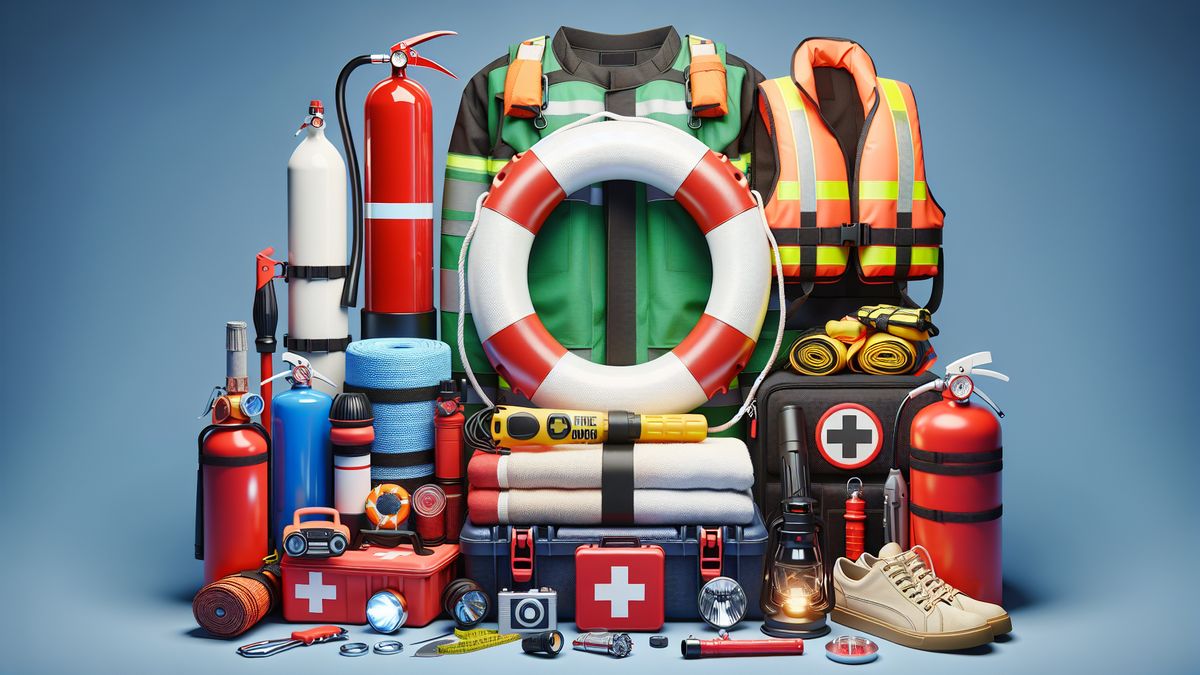
What are the essentials of emergency equipment?
What are the essentials of emergency equipment?
When it comes to preparing emergency equipment, it is essential to focus on the essential items that can make the difference between life and death. Whether it is an outdoor emergency, a road accident or a natural disaster, having the right tools is crucial to intervene quickly and effectively. In this article, we present to you the essentials of emergency equipment that should never be overlooked.
1. First aid kit
The first aid kit is one of the most important items of emergency equipment. It should contain the basic items such as:
- Bandages of different sizes
- Elastic bandages
- Sterile compresses
- Antiseptics
- Disposable gloves
- Scissors
- Splinter forceps
It is also recommended to include basic medications such as painkillers and antihistamines.
2. Emergency Blanket
A survival blanket is lightweight, compact, and reflective. It is essential for maintaining a person's body temperature in an emergency. It can be used to protect against cold, rain, or wind, and can also serve as a distress signal.
3. Flashlight
A flashlight is an essential tool in emergency equipment, especially when it's dark. Opt for an LED flashlight, which offers excellent brightness and longer battery life. Remember to check the batteries regularly and have spares.
4. Whistle
A whistle is an effective way to signal your presence in case of need of help. It is compact, lightweight, and easy to use. Choose a model with a loud and piercing sound.
5. Communication and Navigation
In emergencies, having a means of communication is essential. A cell phone or portable radio can help you contact emergency services or communicate with others. Additionally, a compass and map can help you navigate and avoid getting lost.
6. Water Purification Kit
Having access to clean water is crucial in emergencies. A water purification kit, such as a portable water filter or purification tablets, can remove bacteria and viruses from water to make it safe to drink.
7. Multi-Tools
Finally, having multi-tools such as a utility knife, folding saw, and multi-tools can be extremely helpful in an emergency. These tools can help you cut materials, open boxes, or perform other tasks necessary to keep you safe.
With these emergency equipment essentials, you will be better prepared to handle an emergency. Remember to keep your equipment up to date, take first aid training, and be ready to act when needed. Your preparation can make the difference in a critical situation.
First Aid Tools
First Aid Tools
First aid tools are essential to respond quickly and effectively in an emergency. Whether at home, at work, or while traveling, it is important to have the right equipment to deal with injuries and emergencies. In this article, we will introduce you to the essential first aid tools and their usefulness in different situations.
Bandages
Bandages are one of the most commonly used first aid tools. They are used to cover wounds and injuries to prevent infection and promote healing. There are different types of dressings, such as adhesive dressings, sterile dressings and liquid dressings. It is important to keep a variety of dressings in different sizes and shapes to meet different needs.
Disinfectant
Disinfectant is used to clean wounds and wounds to prevent infection. Examples of commonly used disinfectants are isopropyl alcohol, diluted bleach solution, and hydrogen peroxide. It is important to clean the wound thoroughly before dressing it with a dressing. Be sure to follow the manufacturer's specific instructions for using the disinfectant.
Disposable gloves
Disposable gloves are essential to ensure proper hygiene during first aid. They protect both the rescuer and the injured person from the spread of germs and infections. Gloves should be made of latex, nitrile or vinyl and should be appropriately sized for effective use. It is advisable to include several pairs of gloves in your first aid kit.
Bandages
Bandages are used to immobilize injuries and to compress bleeding. They are typically used for more serious injuries, such as compound fractures, sprains and dislocations. Elastic bandages, triangular bandages and adhesive strips are the most common types of bandages used in first aid. It is important to know how to use them correctly to avoid making the situation worse.
Cold compress
Cold compresses are used to reduce inflammation, relieve pain, and reduce swelling. They are particularly useful for sprains, strains, bruises, and fractures. Cold compresses can be used multiple times and come in a variety of forms, such as gel packs or cold sprays. They should be used with caution, avoiding direct contact with the skin.
Scissors and Tweezers
Scissors and tweezers are essential tools in a first aid kit. Scissors are used to cut through dressings, bandages, and clothing to access injuries. Tweezers are used to remove splinters, glass shards, and other unwanted objects from the skin. It is important to disinfect them before and after use to prevent infection.
Summary
First aid tools are essential for dealing with emergencies and injuries. By having the right tools on hand, you can respond quickly and effectively to provide the care you need. Make sure to always stay informed about the proper use of these tools and follow first aid procedures for a safe and effective response.
Protective Equipment
Protective equipment is essential in many fields of activity, whether on a construction site, in a laboratory or even during certain recreational activities. They are designed to ensure the safety of those who use them by preventing injuries, protecting against chemical hazards or limiting the risks associated with certain activities. In this article, we will explore the different types of protective equipment available, their usefulness and the most reputable brands in the field.
Basic protective equipment:
When it comes to protective equipment, there are some basic items that are essential in many contexts. Here is a list of the main basic protective equipment:
1. Safety helmet: The safety helmet is used to protect the head against falling objects, impacts or shattering. The most famous brands of safety helmets are Ergodyne And M-Safe.
2. Protective glasses: Protective glasses are designed to protect the eyes from splinters, chemicals or any other source of danger. The most famous brands in this field are 3M And Bolle Safety.
3. Respiratory protection mask: This type of mask is used to protect the respiratory tract from fine particles, gases or toxic vapors. The most popular brands of respirator masks are 3M And Honeywell.
Specialized protective equipment:
In addition to basic protective equipment, there is also specialized equipment suitable for specific activities. Here are some examples:
1. Protective Suit: Protective suits are used in hazardous environments where there may be exposure to chemicals or pathogenic substances. Brands known for their protective suit are DuPont And Kimberly Clark.
2. Protective Gloves: Protective gloves are used to protect hands from cuts, burns, chemicals or thermal stimuli. Brands recognized for the quality of their protective gloves are Ansell And Showa.
3. Safety shoes: Safety shoes are impact resistant, non-slip and provide protection against punctures. The best known brands of safety shoes are Timberland Pro And Red Wing.
Protective equipment is essential to guarantee the safety of workers and those engaged in risky activities. It is important to choose equipment that complies with current safety standards and to favor brands renowned for their quality and reliability. Whether to protect your head, eyes, respiratory tract or hands, it is crucial to wear the appropriate protective equipment to minimize the risk of accidents and injuries. Remember that your safety is in your hands!
Means of communication
Means of communication
Telephones
Telephones, whether landline or mobile, are undoubtedly one of the most commonly used means of communication today. They allow us to make voice calls, send text messages, and even access the Internet to communicate through social networks or messaging applications.
Computers
Computers are essential tools for communicating with others, whether through email, online chats, or video conferencing. They offer greater ease of use and a wider variety of communication options, allowing you to share files, photos and videos with contacts around the world.
Social networks
Social networks such as Facebook, Twitter, Instagram and LinkedIn have become popular means of communication. They allow us to stay in touch with our friends, family, colleagues and even meet new people. Social networks also offer the possibility of sharing information, photos and videos, and participating in online discussions.
Messaging apps
Instant messaging applications such as WhatsApp, Messenger and Telegram are increasingly used to communicate quickly and efficiently with other people. They allow you to send text messages, photos, videos and even make voice or video calls using just an Internet connection.
The radios
Radios remain an important means of communication, particularly in emergency situations or when other means of communication are not available. Radios make it possible to broadcast information in real time to a wide audience, whether to transmit alerts, instructions or important information.
Walkie talkies
Walkie talkies are portable short-range communication devices, often used in professional or leisure situations. They are very practical for communicating quickly and efficiently within a limited radius, without the need for an Internet connection or network coverage.
Faxes
Faxes are a more traditional means of communication, but they are still used in many business settings. They allow written documents or photos to be sent quickly to recipients, using a telephone line and a special printer.
Homing pigeons
Homing pigeons are an unconventional means of communication, but they have been used for centuries to transmit messages over long distances. They are able to find their place of origin even if they are transported far from home, making it a reliable method in certain specific situations.
There are many means of communication available today, each with its own benefits and usefulness. Whether to stay in touch with our loved ones, exchange professional information, or communicate in an emergency, it is important to choose the means of communication best suited to our needs and the situation.
Signaling devices
Signaling devices
Signaling devices play a vital role in emergency and rescue situations. They enable vital information to be communicated quickly and efficiently to the people concerned, whether this involves reporting a danger, indicating an emergency exit or guiding emergency teams on site. In this article, we will introduce you to the different types of signaling devices and their proper use in various emergency situations.
Light signals
Light signals are an effective way to signal danger or provide direction to those at the scene of an emergency. They are often used in dark or dimly lit environments to draw attention to a specific area. Signal lamps such as flashlights, emergency signal lamps and hazard lights are common examples of light signals. These devices are often equipped with LEDs (light-emitting diodes) for optimal visibility, and some models can even flash or beep for better signaling. It is essential to ensure that batteries are in good working order to ensure optimal performance of these devices.
Sound signals
Audible signals, such as horns, sirens and alarms, are used to attract the attention of those at the scene of an emergency. This type of signaling device is particularly useful in noisy environments or where visibility is limited. Audible signals can be used to warn of imminent dangers, of the arrival of emergency teams or to indicate immediate evacuation. It is important to ensure that sound signals are audible and distinctive to avoid confusion or misunderstanding.
Traffic signs
Traffic signs are visual devices that provide important information, such as the location of emergency exits, evacuation routes or potential hazards. These signs are generally made of resistant materials and are provided with clear and easily recognizable pictograms. They are often placed in strategic and highly visible locations to ensure that those at the scene of the emergency can quickly and easily obtain the necessary information. Some signs can also be equipped with lighting devices to increase their visibility in low light conditions.
The light marks
Illuminated markings, also called safety lights or reflective strips, are used to signal potential obstacles or hazards at the scene of an emergency situation. These devices are often attached to objects such as emergency response vehicles, rescue equipment or responders' clothing. The light marks are visible even in the dark, because they reflect light from external sources, such as vehicle headlights. This allows rescue teams to quickly locate the objects or people involved.
In conclusion, signaling devices play a crucial role in emergency and rescue situations. Light signals, sound signals, traffic signs and illuminated markings are essential tools for quickly and effectively communicating vital information to those affected. It is important to choose the right type of signaling device for the situation and ensure that it functions properly.