
Understanding Hard Drive Data Recovery
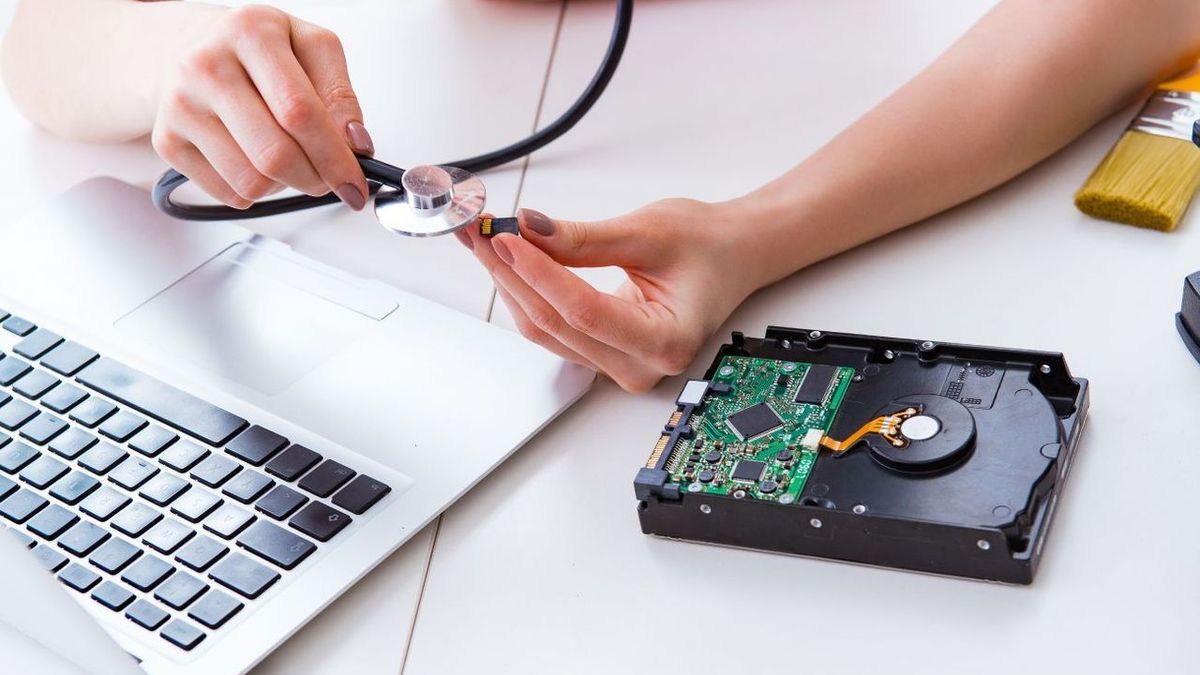
Have you accidentally deleted important files, your hard drive has died or do you think you are the victim of a virus? Don't panic! There hard drive data recovery is often possible. This article will help you better understand this process.
What is data recovery?
There burgundy hard drive data recovery is a process that allows you to recover lost, inaccessible, corrupted or damaged information on different media such as hard drives, USB keys, memory cards, etc. There are several techniques and tools to achieve this end.The main causes of data loss
- Accidental deletion: deleting files by mistake or emptying the recycle bin without prior verification.
- Hardware failure: hard drive failure (read/write errors), poor connection, electrical surge, natural wear and tear.
- Software corruption: errors due to operating systems, software crashes, installation of problematic updates.
- Virus and malware attack: deletion, corruption or encryption of files by malicious programs.
- Natural disasters: fires, floods, earthquakes causing material damage.
Data recovery by software
Using data recovery software is an accessible solution to find your lost files. These software are generally easy to use and can solve several types of problems. THE SECULA GROUP in Bordeaux provided this type of service with a satisfaction rate close to 100%How Data Recovery Software Works
Data recovery software analyzes the hard drive concerned in order to detect information still present (unrewritten sectors) or to repair certain corrupted elements. It then reconstructs the structure of the files and, if all goes well, will allow you to recover them.Some tips for choosing suitable software
- Check compatibility with your operating system (Windows, macOS, Linux).
- Compare the features offered: support for different file formats, search filters, preview possibilities, etc.
- Consider regular updates: make sure that the publisher publishes updates to adapt the software to technological developments.
- Consider ease of use: intuitive interface, assistance in French, user guide, technical support.
- No need to spend a fortune choosing paid software: there are quality free options.
Data recovery through hardware intervention
When data loss is due to hardware failure, it may be necessary to go through specialized professionals with specific equipment to recover your information.Laboratory recovery
In the event of a mechanical or electronic failure of the hard drive (abnormal noises, not recognized by the system, etc.), intervention in a clean room laboratory will probably be necessary. These laboratories benefit from a controlled environment (absence of dust) and the appropriate equipment to disassemble and repair a hard drive without further damaging the data.Prices and quotes
The cost of this intervention varies depending on the complexity of the problem and the extent of the damage to the disk. An initial diagnosis will often make it possible to estimate the probability of success and the approximate amount of costs incurred. Do not hesitate to ask for several quotes before making a decision.Prevention rather than cure
The best solution to avoid resorting to data recovery of course, prevention remains. Here are some good practices to adopt:- Make regular backups of your data on external media (hard drives, USB keys, servers).
- Test the reliability of your backups by performing regular restores.
- Make sure your computer equipment is regularly maintained and replace it if necessary (limited life cycles for components).
- Update your software, operating system and antivirus.
- Remember to protect your home against electrical surges or theft using equipment designed for this purpose.
Final tips
In the event of a problem requiring data recovery, here are a few simple steps to avoid making the situation worse:-
- Stop any activity that may write to the affected hard drive: some lost/deleted files may still be recovered as long as their sectors have not been overwritten by new data.
- Quickly disconnect external media (USB key, memory card) after noticing a data loss problem: this will undoubtedly prevent it from getting worse.
- Call a professional in the following cases: mechanical or electronic breakdown of the hard drive or if you do not feel capable of using data recovery software correctly.
Articles similaires





Computer science