Should you opt for a gasoline generator?
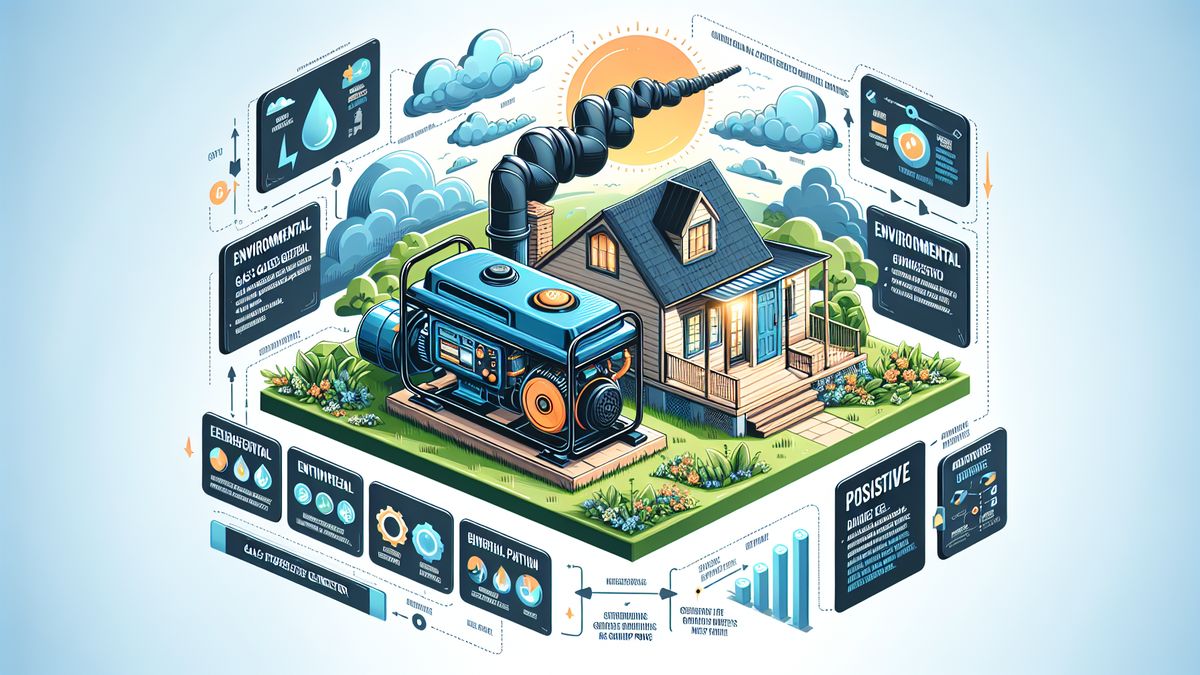
Advantages of a gasoline generator
High power level
One of the major advantages of a gasoline generator is its high level of power. Gasoline electric generators are known for providing a large amount of electrical energy, making them ideal for powering devices requiring high power output.
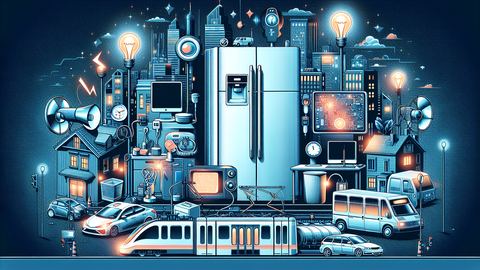
This can be particularly useful in emergency situations where it is essential to have a reliable source of energy to power vital equipment such as water pumps, air conditioners, refrigerators, medical equipment, etc.
Ease of use
Another advantage of gasoline generators is their ease of use. Unlike diesel generators which often require more regular and complex maintenance, gasoline generators are generally simpler to use.
Simply fill the gas tank, start the generator and connect it to the devices you want to power. Some models even have convenient features like electric start, making them even easier to use.
Portability
Another advantage of a gasoline generator is its portability. Most models are compact and lightweight, making them easy to transport from one place to another. This can be especially handy if you need a power generator for outdoor activities, such as camping, construction sites, or outdoor events.
The portability of a gasoline generator also allows you to use it in different areas of your home or business depending on your needs. You can easily move it from one room to another, depending on the area you want to supply electricity.
Fewer emissions
Another advantage of gasoline-powered electric generators is that they emit fewer pollutants compared to diesel generators. Diesel generators tend to emit more harmful exhaust gases, such as fine particles and nitrogen oxides.
Gasoline generators, on the other hand, generally have cleaner emissions. It is important to note, however, that it is always recommended to use an electric generator in a well-ventilated space to avoid the risk of carbon monoxide poisoning.
Fuel flexibility
Gasoline generators also offer greater fuel flexibility. Since gasoline is more widely available than diesel, it is easier to find fuel for a gasoline generator.
This is particularly important in emergency situations where diesel supplies may be limited. In addition to gasoline, some gasoline generators can even run on other types of fuel, such as propane or natural gas, further increasing their flexibility.
In summary, gasoline generators offer many advantages, including a high level of power, ease of use, portability, reduced emissions and high fuel flexibility. They are an effective solution for providing electricity in a variety of situations, whether in an emergency or during outdoor activities.
Disadvantages of a gasoline generator
Disadvantages of a gasoline generator
Introduction:
A gasoline generator may seem like a practical solution for providing electricity in the event of a power outage or in locations where connection to the electrical grid is not possible. However, it also has some disadvantages that are important to consider before making a purchasing decision. In this article, we will review these disadvantages to help you make an informed decision.
Disadvantages of a gasoline generator:
1. Fuel Dependence:
- One of the main disadvantages of a gasoline generator is the dependence on fuel. It must be fueled regularly to operate. This means you'll need to make sure you always have enough fuel on hand, which can be a hassle, especially in an emergency.
2. Fuel Cost:
- The cost of fuel for a gasoline generator can be high, especially if you plan on regular or extended use. Gasoline can be more expensive than other types of fuel, which can be a significant expense in the long run.
3. Polluting emissions:
- Gasoline generators produce polluting emissions when they operate. This can contribute to air pollution and impact human health and the environment. If you care about your carbon footprint, a gasoline generator might not align with your environmental values.
4. Noise:
- Gasoline generators are generally noisy when operating. This can be a source of nuisance for both you and your neighbors. If you plan to use your generator near your home or in a noise-sensitive location, this can be a significant inconvenience.
5. Regular Maintenance:
- Like any mechanical equipment, a gasoline generator requires regular maintenance to operate optimally. You'll need to perform oil changes, filter changes, and other maintenance tasks to make sure it stays in good working order. This requires time and technical knowledge, which can be a disadvantage if you are not familiar with this aspect.
Conclusion:
While gasoline generators can be a practical solution in some situations, they also have several drawbacks to consider. The dependence and cost of fuel, polluting emissions, noise and regular maintenance are all factors to consider before making your choice. Weigh the pros and cons to decide if a gasoline generator suits your needs and preferences.
Alternatives to gasoline generators
Alternatives to gasoline generators
Gasoline generators are very commonly used to provide emergency electricity or for power needs in remote or off-grid areas. However, they have several disadvantages, including their dependence on fossil fuel, their noise and their polluting emissions. Fortunately, there are alternatives to gasoline generators that are more environmentally friendly and economical. In this article, we will explore these alternatives and their benefits.
Solar energy
One of the most popular alternatives to gasoline generators is the use of solar energy. Solar panels convert sunlight into electricity, which can be stored in batteries for later use. Solar energy is a clean and renewable energy source, making it an eco-friendly solution. In addition, once the solar panels are installed, the electricity produced is free, which represents savings in the long term.
Some manufacturers offer portable solar generators, such as the model Goal Zero Yeti, which can be used to power electronic devices or small household appliances. These solar generators are lightweight, easy to transport, and can be charged using just sunlight.
Wind turbines
Another alternative to gasoline generators is the use of wind energy. Wind turbines convert wind into electricity through a turbine. Like solar energy, wind energy is a renewable and environmentally friendly energy source. However, wind turbines require a certain level of constant wind to operate effectively, which may limit their use in some regions.
There are portable wind generators on the market, such as the model DDPai WindLinker, which can be used to power electronic devices or small household appliances. These wind generators are compact and can be installed temporarily or permanently, depending on the user's needs.
Natural gas generators
Natural gas generators are also an interesting alternative to gasoline generators. Natural gas is a cleaner energy source than gasoline, with fewer polluting emissions. Additionally, natural gas is generally less expensive than gasoline, which can result in savings on operating costs in the long run.
Several brands offer natural gas generators, such as models Caterpillar Or Honda. These generators are generally more powerful than portable solar or wind generators, making them suitable for larger electricity needs.
Gasoline generators have long been the preferred solution for providing electricity in situations without access to the electricity grid. However, alternatives to gasoline generators are increasingly popular due to their ecological and economic advantages. Solar, wind and natural gas offer cleaner, more sustainable options for meeting electricity needs. It is essential to take into account the specific needs of each situation to choose the best possible alternative.
Conclusion: Should you opt for a gasoline generator?
Conclusion: Should you opt for a gasoline generator?
In this article, we have looked at the advantages and disadvantages of gasoline generators. Now it is time to draw a conclusion about whether to opt for this type of electric generator.
Advantages of gasoline generators
Electric generators running on gasoline offer several interesting advantages:
- Ease of use: Gasoline generators are generally easy to start and operate. Simply fill the tank with gas, pull the starter, or push a button, and the generator is ready to provide power.
- Portability: Gasoline generators are generally compact and easy to transport. They can be used in remote locations, on construction sites, or during outdoor events.
- Fuel Availability: Gasoline is generally easier to find than other types of fuel, especially diesel. In many areas, gas stations are more numerous and more accessible.
Disadvantages of Gasoline Generators
However, there are also a few disadvantages to gasoline generators:
- Fuel Consumption: Gasoline generators tend to consume more fuel than diesel generators, which can translate into higher operating costs in the long run.
- Regular Maintenance: Gasoline generators require regular maintenance, including changing the oil, replacing the spark plugs, and cleaning the air filter. This can be a hassle for some users.
- Limited Runtime: Gasoline generators typically have a more limited runtime than diesel generators. This can be a drawback in situations where extended power is needed.
Ultimately, choosing a gasoline generator depends on several factors, such as intended use, location, and budget. If you need a portable, easy-to-use power generator and fuel availability is not an issue, a gasoline generator may be a good option.
However, if you are looking for greater range, lower fuel consumption and reduced maintenance, it may be better to opt for a diesel generator.
It's also important to consider other options, such as natural gas generators or solar panels, which may offer additional benefits depending on your specific needs.
Ultimately, it is recommended to do thorough research, consult expert recommendations, and consider individual factors before making a decision regarding purchasing a gasoline generator.