Road sharing, when new mobility offers space for everyone
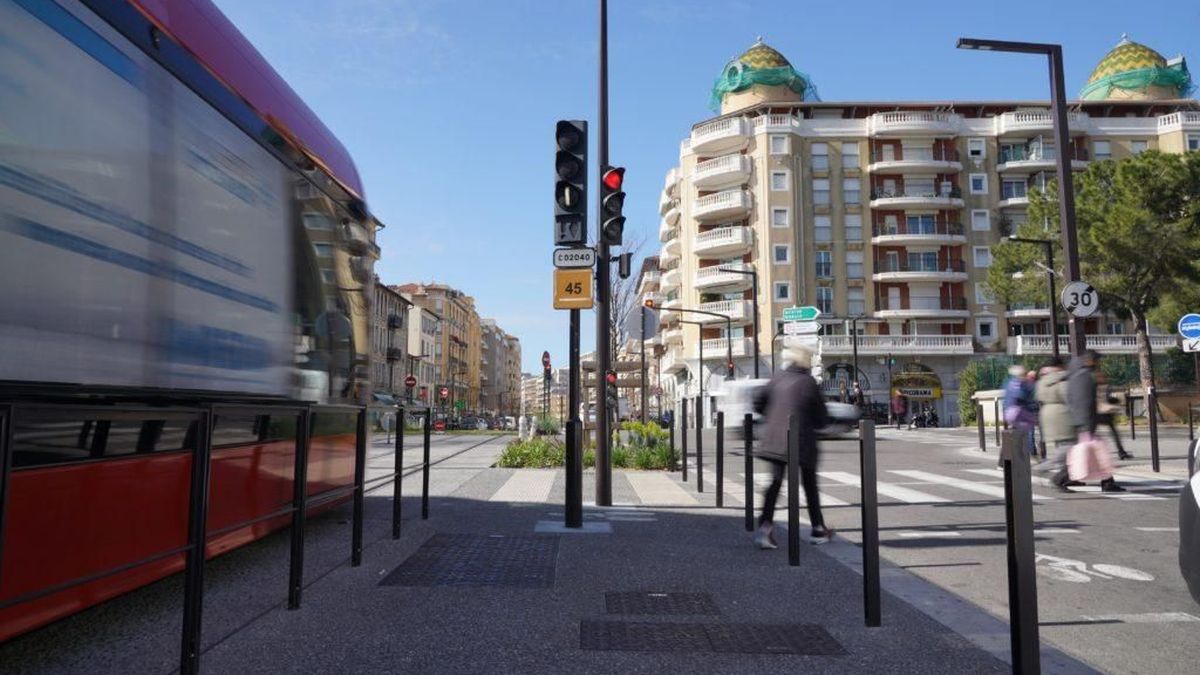
Pedestrians, bicycles, scooters, gyrowheels, public transport, cars, etc. are all means of transport used on a daily basis by millions of French people. The diversity of mobility today requires municipalities to share public space and particularly roads.
The variety of modes of transport requires equitable sharing of roads
Roads must be considered as a space for “living together”. It is a space that combines quality of life and mobility. To ensure the safety of all road users, it is essential to provide demarcated lanes for each type of transport. With the proliferation of soft mobility, new traffic rules and practices are being put in place to further protect the most vulnerable users. The streets are therefore more and more shared today. This type of street allows all users to be equal, so they can move freely. Cyclists can ride in the middle of the road or even against the flow if it is one way, pedestrians can cross on the road outside of intersections, etc. Pedestrians, cyclists, all risks must be measured by intermunicipalities and municipalities. Audrey ROUXEL, in charge of communications at LACROIX, a specialist manufacturer of traffic signs, confirms this: “Communities and town halls are increasingly looking for intelligent solutions, such as intelligent or connected traffic signs, in order to to manage and secure their mobility flows on a local scale. These streets are designed for particularly slow traffic speeds (20km/h or less) and signage (aerial or on the ground) is extremely limited or even completely eliminated. The only difference between users is their vulnerability. Pedestrians therefore have priority, followed by cyclists, then moped drivers, etc. However, there is an exception, public transport such as trams remains a priority, even ahead of pedestrians. Read also: Advantages of the rise of new mobility in cities in 2021Advantages and limits of the shared street
Shared streets aim to calm traffic. In particular, they make it possible to reduce the severity of collisions, optimize space, make public space universally accessible, make space versatile (possibility of creating events for example), etc. On the other hand, an adaptation period is often necessary for users to get used to it. In addition, accessibility could be disrupted by the absence of sidewalks for people with visual impairments in particular. Another limitation is the complexity of maintaining these spaces, especially due to the presence of street furniture. Read also: What are the advantages of choosing an electric bike?In Lille, road sharing is adopted
The European Metropolis of Lille has been pursuing an active mobility policy for several years in order to help change the behavior of road users but also to facilitate and secure their travel on foot and by bike. As the modes of transport are varied, road improvements are therefore put in place to streamline and reduce automobile traffic. Facilities mainly intended for cyclists:- Installation of 1000 bicycle hooks in the municipalities of the Lille metropolis. These bike hooks are added to the hoops already present in the city. The aim is to make life easier for cyclists. Their locations are also strategic since they are close to schools, cultural places, shops, etc.
- Implementation of “Give way” at red lights for cyclists. The metropolis has also deployed “Turn right” signs to simplify and encourage travel by bicycle. Moreover, to avoid repetitive stops, the highway code now authorizes cyclists to cross lights equipped with either “Turn right” signs or “Give way to cyclists at red lights” signs.
- Development of a two-way cycle path to promote sharing of the street and encourage daily use of the bicycle. This arrangement also makes it possible to avoid detours and thus save travel time.
- Provision of bicycle lockers at traffic lights, areas reserved for cyclists in front of vehicles when the light is red
- Development of zones 30, pedestrian areas and meeting zones: the objective being to moderate vehicle speed and encourage cohabitation between different road users. The metropolis also wants to create new 30 zones around businesses, schools, etc.
- Reserved parking for people with disabilities: the Lille Metropolis already has around a hundred. It also works in collaboration with the municipalities of the metropolis on the proper distribution of these spaces on the roads.
- Facilities dedicated to carpooling: 8 carpooling areas are available in the metropolis. They make it possible in particular to facilitate mobility while optimizing the use of the car
- Etc.