
Keto Diet: How does this diet also called Ketogenic diet which is rich in fat and protein for rapid weight loss work?
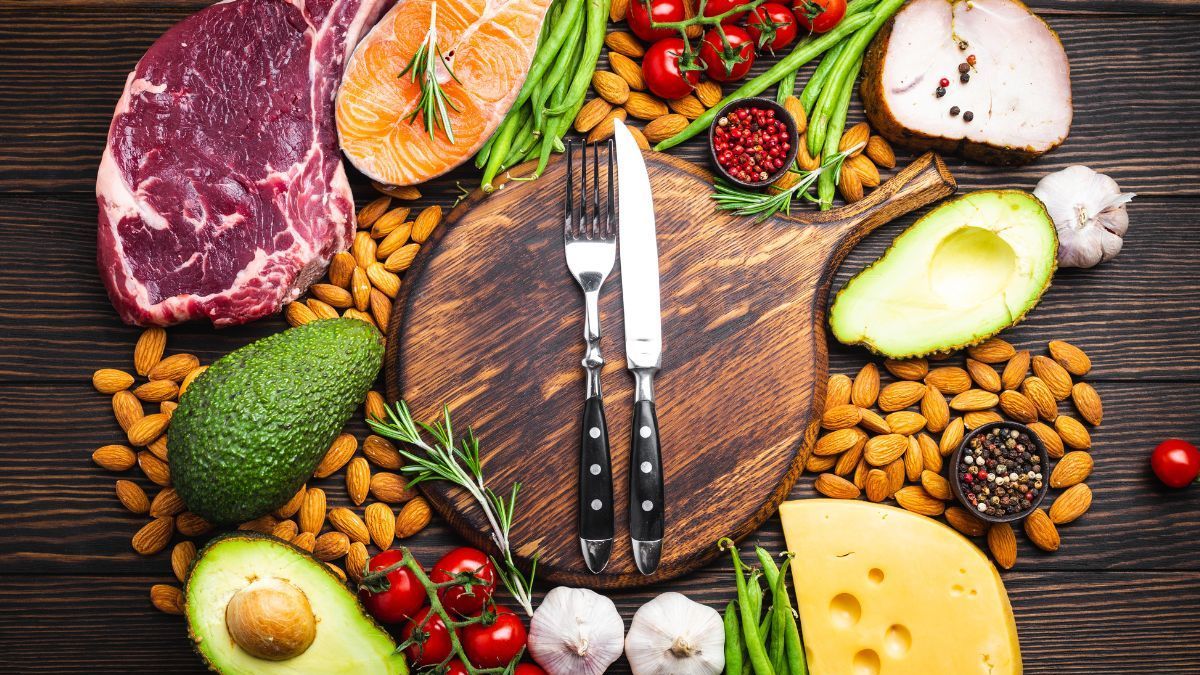
Today, faced with the constant search for a healthier lifestyle and a balanced diet, many people are turning to ketogenic or Keto diet.
But how does this high-fat, high-protein diet work for rapid weight loss?
In this article, we'll explore what's behind the ketogenic diet and see if it's effective in encouraging weight loss and promoting health benefits.


Keto diet definition
The ketogenic diet, often called the keto diet, is a very low-carb, high-fat diet. The idea is to get your body into a state of ketosis, where it burns fat for energy instead of carbs. Here are the main elements of this diet:- Low Carb: Most versions of the keto diet recommend consuming only 20 to 50 grams of carbohydrates per day. To put that into perspective, a single apple contains about 25 grams of carbs.
- Rich in fats: About 70-75% of daily calories should come from fat. High-fat foods like olive oil, avocado, nuts, and fatty fish are generally recommended.
- Moderately rich in protein: About 20 to 25% of daily calories come from protein.
How does the keto diet work?
The ketogenic diet, or keto diet, is an eating plan that emphasizes foods high in fat and low in carbohydrates, with a moderate amount of protein. The goal of the diet is to bring the body into a state of ketosis, where it burns fat for energy rather than carbohydrates. Here's how it works:- Reducing Carbohydrate Consumption: By limiting your carbohydrate intake to around 20 to 50 grams per day, your body is forced to use another source of energy. This is much less than the normally recommended amount, which is usually 225 to 325 grams per day.
- Ketosis: After several days, the body enters a state of ketosis. This means that he has started burning fat for energy because he doesn't have enough carbohydrates to use as fuel. The liver converts these fats into ketones, a type of molecule that the body can use as an energy source.
- Weight loss: As the body now uses fat as its main source of energy, this can lead to weight loss. Additionally, the ketogenic diet can reduce feelings of hunger, which can also help with weight loss.
Keto diet risks
The ketogenic diet, or “keto,” is a very low-carb, high-fat diet. Although it has been used in the treatment of some medical conditions, such as epilepsy, and may help with weight loss, it also carries risks and potential side effects. Here are some of the risks and side effects associated with the ketogenic diet:- Nutrient deficiency : The ketogenic diet eliminates or severely limits certain food groups, including fruits, vegetables and whole grains. This can lead to a deficiency of essential vitamins and minerals.
- Ketoacidosis : Although rare in healthy people, ketoacidosis is a serious condition that can occur if the body produces too many ketones (the acids produced during the state of ketosis). This can damage organs, especially the kidneys.
- Heart problems : A diet high in saturated fat, often associated with the ketogenic diet, may increase the risk of heart disease.
- Short-term side effects : Some people may experience what is called the "ketogenic flu" when they start the diet. This may include symptoms like headache, fatigue, nausea, dizziness, irritability and constipation.
- Bone loss : Some research has suggested that the ketogenic diet may lead to bone loss due to insufficient calcium intake and increased calcium excretion through the kidneys.
- Liver disorders : The ketogenic diet makes the liver work more intensely to metabolize fats. This can potentially lead to liver problems, especially in those who already have liver disease.
- Mood and behavior disorders : Some individuals may experience changes in mood and behavior, such as increased irritability or depressive symptoms.
Keto diet benefits
The ketogenic diet, often called the "keto" diet, is a high-fat, low-carbohydrate diet. The goal of the diet is to induce a state of ketosis in the body, where the body uses fat as its primary source of energy rather than carbohydrates.Here are some potential benefits of the ketogenic diet:
- Weight loss : As the body uses fat as a source of energy, the ketogenic diet can help with weight loss. Many studies have shown that low-carb diets can be effective for weight loss.
- Type 2 diabetes control : The ketogenic diet can help control blood sugar levels, which may benefit people with type 2 diabetes. Some studies have even shown that the diet can help reverse type 2 diabetes.
- Improved heart health : If the diet is followed with consumption of healthy fats, it can improve heart health by reducing cholesterol.
- Reduction of epileptic seizures : The ketogenic diet has long been used to treat epilepsy in children who do not respond to anti-epileptic medications.
- Neurological therapeutic potential : There is ongoing research into the potential effect of the ketogenic diet on other neurological conditions, such as Alzheimer's disease, Parkinson's disease, autism spectrum disorder, migraines, and even mood disorders .
What is the ketogenic diet?
The Ketogenic Diet is a type of diet characterized by a very low consumption of carbohydrates and high in fats and proteins. This diet is known for its beneficial effects on rapid weight loss as well as energy levels and overall health. This type of diet was developed over 90 years ago for the treatment of patients suffering from diseases of the brain and body, but has become very popular in recent years for its effectiveness in promoting rapid weight loss.has. Definition of the Ketogenic Diet
THE Keto Diet can be defined as a diet low in carbohydrates and high in fat and protein. It is based on a specific macronutrient ratio, typically 80% fat, 15% protein and 5% carbohydrates, but which can vary depending on individual nutritional needs. The key goal is to achieve the physiological state called ketosis (a "ketogenic state"), where the body begins to burn its fat stores for energy, resulting in rapid and lasting weight loss.b. History and origins of the Ketogenic Diet
The Keto Diet was developed in the United States by Dr. Russell Wilder at the Mayo Clinic in the 1920s to treat epilepsy in patients who did not respond to medical treatments available at the time. Dr. Wilder found that patients who had high blood levels of ketone bodies (molecules produced by the liver when the body is in ketosis) were less likely to suffer strokes. THE Keto Diet remained very popular for the treatment of epilepsy until the late 1960s, but it was relegated to the background with the advent of effective medications. This type of diet has become popular again in recent years, as it has been discovered that it can be used not only to treat epilepsy, but also to promote rapid and lasting weight loss.Read also: How to lose weight quickly?View this post on Instagram
How does the Ketogenic Diet work?
THE Keto Diet is based on the idea that by reducing carbohydrate intake and increasing fat and protein intake, the body begins to produce ketone bodies to provide energy. In a physiological state called ketosis, the body derives its energy primarily from ketone bodies instead of carbohydrates. Once ketosis is achieved and maintained, the metabolic process generates rapid and lasting weight loss.has. The basic principles of the Ketogenic Diet
THE Keto Diet is based on a specific ratio of macronutrients: 80% fat, 15% protein and 5% carbohydrates. Carbohydrates are limited to 20-50 grams per day (which is very little, even for a carbohydrate-restrictive diet), while proteins and fats are almost unlimited. Once the body begins to produce ketone bodies from fat to provide energy, the metabolic process changes and rapid and lasting weight loss is generated.b. What foods are allowed on a ketogenic diet?
Foods allowed in a Keto Diet are generally those that are high in fat and protein and low in carbohydrates. Ideal fat sources include vegetable oils (olive, canola, coconut), nuts and seeds (almonds, cashews, hemp) as well as animal fatty foods (eggs, bacon, fatty fish). Protein sources may include:- meat,
- poultry,
- fish,
- low-carb dairy products.
Health Benefits of the Ketogenic Diet
THE Keto Diet is associated with many health benefits, including rapid weight loss and sustainable, as well as improvements in cholesterol level, triglycerides and glucose.has. Effects on rapid and lasting weight loss
The Ketogenic Diet allows for rapid and sustainable weight loss. Studies have shown that ketogenic diets are more effective for weight loss than low-fat and low-calorie diets because they have fewer cravings and greater satiety. Ketogenic diets can also cause a yo-yo effect, meaning that the weight lost is maintained over the long term if the diet is followed correctly.b. Improvement in cholesterol, triglycerides and glucose levels
Scientific studies have shown that the Ketogenic Diet is associated with a significant decrease in triglycerides, blood cholesterol and glucose levels. High levels of triglycerides and cholesterol are considered risk factors for heart disease and can be reduced by a ketogenic diet. A 2015 study showed that low-carbohydrate and high-fat diets are associated with a decrease in fasting blood glucose levels in patients with type 2 diabetes. c. Other Health Benefits Associated with This Type of DietMany studies suggest that the Ketogenic Diet may have additional health benefits, including a reduced risk of
heart disease and stroke, improved learning and memory, and a beneficial effect on HIV infection and obesity. TheKetogenic Diet has also been shown to be beneficial for people with certain neurological diseases, such as Alzheimer's and Parkinson's. Buy the BEST SELLER KETO by clicking on the image keto diet bookPossible Disadvantages of the Ketogenic Diet
Ketogenic Diet
may have some risks and drawbacks. a. Potential Risks of Excessive Fat and Protein Intake The Keto Diet can be dangerous if it is too high in fat and protein, as this increases the risk of heart and kidney problems, as well as the risk of gallstones,constipation
and bad breath. Additionally, a diet high in animal fats can significantly increase the risk of heart disease and cancer. Therefore, it is important to choose healthy sources of fat and protein and avoid processed, fried and ultra-processed foods. b. Risks of nutritional deficiencies and other possible side effects When we follow theKeto Diet
, there may be risks of nutritional deficiencies if certain essential vitamins and minerals have not been consumed in sufficient quantities. The most common deficiencies are vitamin B, iron, calcium and magnesium. It is also possible that theKeto Diet causes symptoms such as headaches, nausea, chronic fatigue and decreased concentration. These symptoms can be controlled with supplements or foods rich in vitamins and minerals. Buy the BEST SELLER KETO by clicking on the image keto diet bookConclusion :