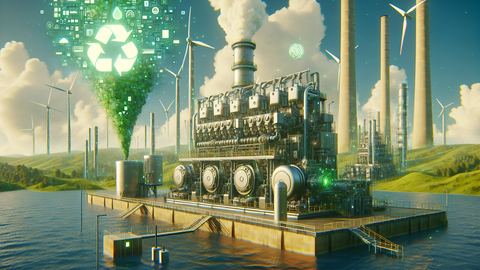
How to optimize the use of emergency energy?
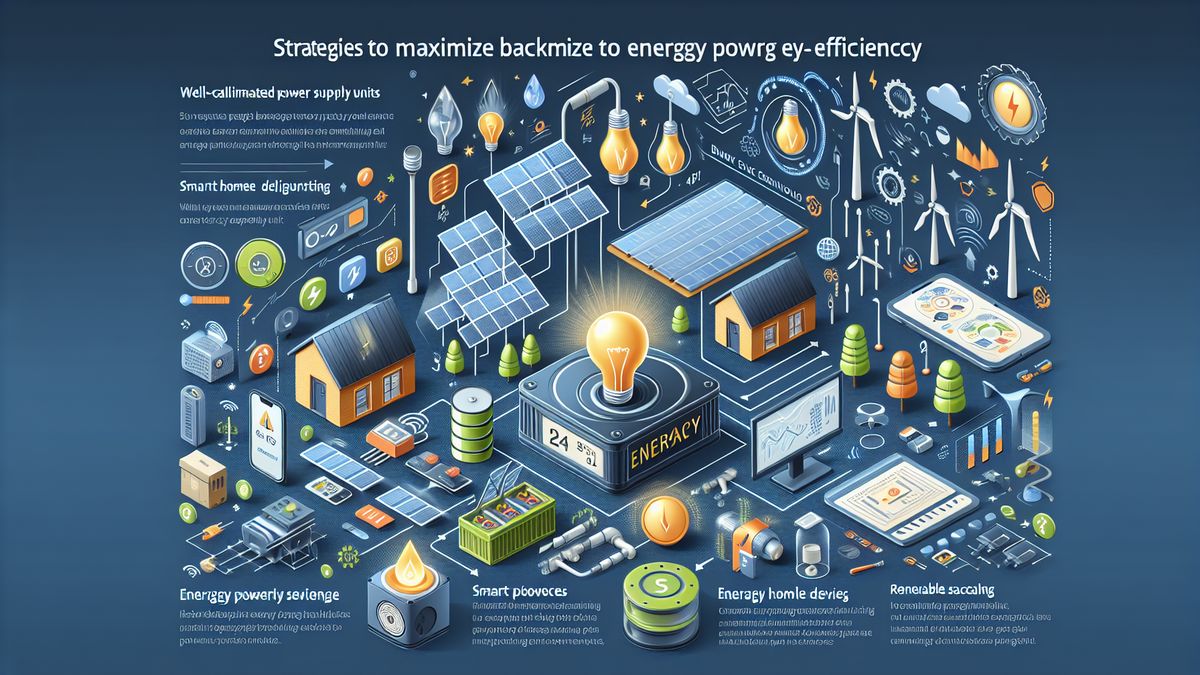
Backup energy sources
Backup energy sources
Responding to the growing demand for electricity during power outages, emergency power sources play a vital role in our modern society. In the event of an emergency or prolonged power outage, these alternative energy sources can continue to power essential equipment such as medical emergency devices, communications systems, refrigerators and even heaters. In this article, we will explore different sources of backup power available in the market and discuss their advantages and disadvantages.
Electric generators
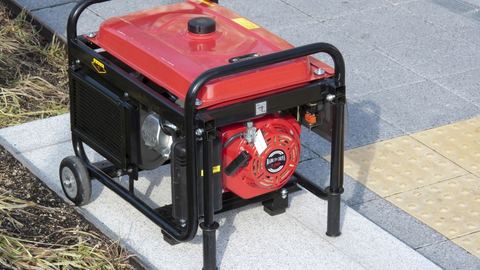
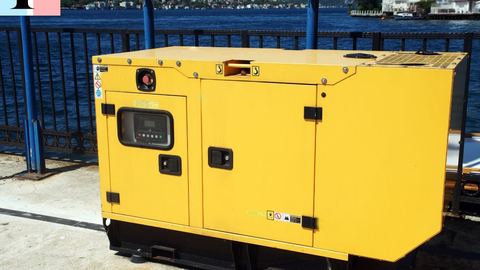
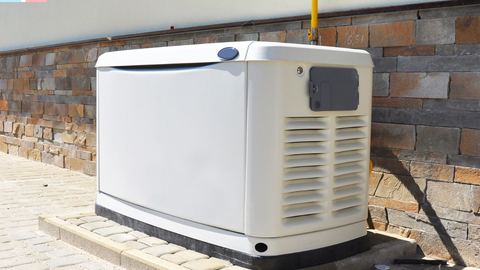
One of the most commonly used sources of backup power is the electric generator. Available in different sizes and wattages, electric generators can be a reliable solution for providing electricity during a power outage. They typically run on diesel, gasoline, or natural gas and can be started automatically or manually when the main power is interrupted. Benefits : - Provides constant and continuous power supply. - Can be used to power multiple devices at the same time. - Possibility to choose the power of the generator according to specific needs. Disadvantages: - Requires a constant supply of fuel. - May be noisy in use. - Requires regular maintenance to ensure proper operation. Batteries Another commonly used source of backup power is the battery. Batteries can store energy in chemical form and release it when needed. They are often used in combination with solar or wind systems for a renewable energy supply. Benefits : - Works silently. - Does not require fuel. - Can be easily integrated into renewable energy systems. Disadvantages: - Limited storage capacity. - Limited lifespan. - May require regular replacement. Solar panels Solar panels are an eco-friendly alternative for backup energy. They capture energy from the sun and convert it into usable electricity. Solar panels can be used in combination with batteries to store energy for later use. Benefits : - Renewable and environmentally friendly energy source. - Can be used to power small devices or entire systems. Disadvantages: - Dependent on the availability of sunlight. - High initial installation cost. - Requires regular maintenance. Wind energy Wind power uses the force of the wind to generate electricity. Wind turbines are renewable energy sources and can be used as a backup power source, especially in areas with constant wind. Benefits : - Renewable energy source. - Low operating cost. - Can be used in combination with batteries for energy storage. Disadvantages: - Dependent on wind availability. - High initial installation cost. - Requires regular maintenance to ensure proper operation. In conclusion, backup power sources are essential to ensure continued power in the event of a power outage. Electric generators, batteries, solar panels and wind energy are all solutions available to meet this need. The choice of energy source will depend on the specific needs of each situation, as well as the advantages and disadvantages of each option. By taking these criteria into account, it is possible to find the best emergency energy solution suited to each situation.
Another commonly used source of backup power is the battery. Batteries can store energy in chemical form and release it when needed. They are often used in combination with solar or wind systems for a renewable energy supply. Benefits : - Works silently. - Does not require fuel. - Can be easily integrated into renewable energy systems. Disadvantages: - Limited storage capacity. - Limited lifespan. - May require regular replacement. Solar panels Solar panels are an eco-friendly alternative for backup energy. They capture energy from the sun and convert it into usable electricity. Solar panels can be used in combination with batteries to store energy for later use. Benefits : - Renewable and environmentally friendly energy source. - Can be used to power small devices or entire systems. Disadvantages: - Dependent on the availability of sunlight. - High initial installation cost. - Requires regular maintenance. Wind energy Wind power uses the force of the wind to generate electricity. Wind turbines are renewable energy sources and can be used as a backup power source, especially in areas with constant wind. Benefits : - Renewable energy source. - Low operating cost. - Can be used in combination with batteries for energy storage. Disadvantages: - Dependent on wind availability. - High initial installation cost. - Requires regular maintenance to ensure proper operation. In conclusion, backup power sources are essential to ensure continued power in the event of a power outage. Electric generators, batteries, solar panels and wind energy are all solutions available to meet this need. The choice of energy source will depend on the specific needs of each situation, as well as the advantages and disadvantages of each option. By taking these criteria into account, it is possible to find the best emergency energy solution suited to each situation.
Solar panels are an eco-friendly alternative for backup energy. They capture energy from the sun and convert it into usable electricity. Solar panels can be used in combination with batteries to store energy for later use. Benefits : - Renewable and environmentally friendly energy source. - Can be used to power small devices or entire systems. Disadvantages: - Dependent on the availability of sunlight. - High initial installation cost. - Requires regular maintenance. Wind energy Wind power uses the force of the wind to generate electricity. Wind turbines are renewable energy sources and can be used as a backup power source, especially in areas with constant wind. Benefits : - Renewable energy source. - Low operating cost. - Can be used in combination with batteries for energy storage. Disadvantages: - Dependent on wind availability. - High initial installation cost. - Requires regular maintenance to ensure proper operation. In conclusion, backup power sources are essential to ensure continued power in the event of a power outage. Electric generators, batteries, solar panels and wind energy are all solutions available to meet this need. The choice of energy source will depend on the specific needs of each situation, as well as the advantages and disadvantages of each option. By taking these criteria into account, it is possible to find the best emergency energy solution suited to each situation.
Wind power uses the force of the wind to generate electricity. Wind turbines are renewable energy sources and can be used as a backup power source, especially in areas with constant wind. Benefits : - Renewable energy source. - Low operating cost. - Can be used in combination with batteries for energy storage. Disadvantages: - Dependent on wind availability. - High initial installation cost. - Requires regular maintenance to ensure proper operation. In conclusion, backup power sources are essential to ensure continued power in the event of a power outage. Electric generators, batteries, solar panels and wind energy are all solutions available to meet this need. The choice of energy source will depend on the specific needs of each situation, as well as the advantages and disadvantages of each option. By taking these criteria into account, it is possible to find the best emergency energy solution suited to each situation.
Best practices for optimizing the use of emergency energy
Best practices for optimizing the use of emergency energy
Using a backup power source is essential to ensure a continued supply of electricity in the event of a power outage or emergency. However, it is important to optimize this use in order to maximize its efficiency and minimize its impact on the environment. In this article, we will present the best practices to follow to optimize the use of emergency energy.
1. Choose the appropriate energy source
When selecting your backup energy system, it is essential to choose the appropriate energy source based on your specific needs. Different options include diesel generators, solar, batteries and heat pumps. Each energy source has its own advantages and limitations, so it is important to choose the one that best meets your needs in terms of capacity, cost, reliability and environmental impact.
2. Perform regular maintenance
To ensure optimal operation of your backup energy system, regular maintenance is essential. Be sure to follow the manufacturer's recommendations regarding system care and maintenance. This includes regularly checking the condition of batteries, cleaning solar panels, draining and replacing generator oil, etc. Regular maintenance ensures your system operates efficiently when you need it most.
3. Monitor and manage energy consumption
Efficient use of backup energy also involves monitoring and managing energy consumption. It is important to understand your energy needs and put measures in place to optimize its use. This may include the installation of regulation and control systems to automatically adjust energy consumption according to needs, the use of energy-efficient LED lighting, and the establishment of energy saving policies. energy saving within your organization.
4. Invest in energy storage solutions
Energy storage solutions, such as batteries, can also help optimize the use of backup energy. These batteries can be used to store energy from renewable sources, such as solar panels, and release it when needed. This helps improve the efficiency of your backup energy system and reduces your dependence on fossil fuels.
5. Train staff on good practices
Finally, it is essential to train staff on best practices for using emergency power. This may include awareness of energy conservation, proper use of electrical equipment, and training on the use and maintenance of the emergency energy system. Well-trained personnel contribute to efficient use of backup energy and a reduction in overall energy consumption.
By following these best practices, you can optimize the use of your backup energy system, reduce your impact on the environment, and ensure a continuous supply of electricity when needed. Remember to choose the appropriate energy source, perform regular maintenance, monitor and manage energy consumption, invest in energy storage solutions, and train your staff on the good practices.