How to bleed a radiator?
Importance of bleeding radiators
Radiators are essential parts of a home heating system. To ensure their proper functioning and optimize their energy efficiency, it is crucial to bleed radiators regularly. This simple but essential operation eliminates the air present in the heating circuit, thus ensuring uniform distribution of heat and avoiding unpleasant temperature variations in the rooms.
Purge to save energy
By bleeding your radiators, you contribute to reduce the energy consumption of your heating system. In fact, a poorly vented radiator will require more energy to properly heat a room, which will result in an increase in your heating bills. By keeping your radiators clean and eliminating trapped air, you optimize their performance and make significant savings in the long term.
How to effectively purge your radiators
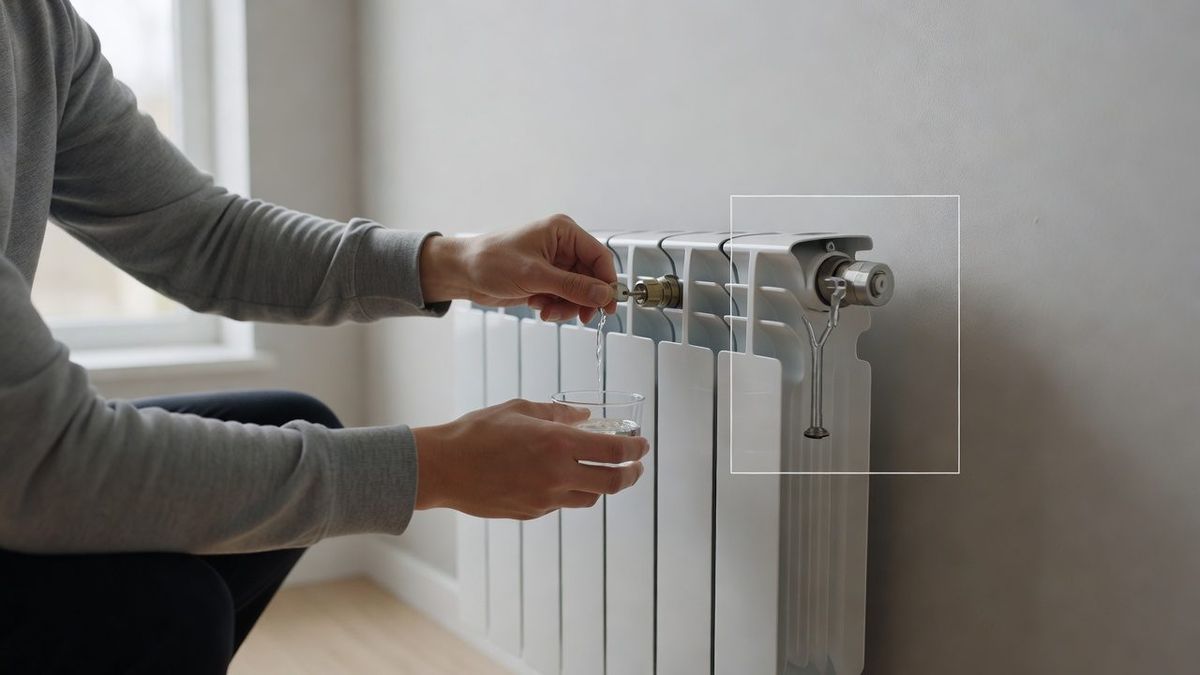
To effectively bleed your radiators, it is recommended to follow a few simple steps. First, get a bleeder wrench suitable for your radiators. Afterwards, turn off your heating system to avoid any risk of burns. Carefully insert the bleed key into the small tap on the top of the radiator and turn slightly to allow air to escape. A hissing sound will indicate the release of air. Once water is flowing continuously, close the faucet.
Regular maintenance for optimal efficiency
In addition to purging, it is recommended to regularly dust your radiators to ensure their proper functioning. An accumulation of dust can block the diffusion of heat, reducing the efficiency of the heating system. Use a suitable brush or vacuum cleaner to clean radiator grilles and surfaces.
Long-term benefits
By taking care to bleed and maintain your radiators, you extend their lifespan and maintain optimal thermal comfort in your home. You avoid unexpected breakdowns and costly repairs while helping to reduce your energy footprint. Regular maintenance of your radiators is therefore a profitable investment for both your comfort and the environment.
In conclusion, bleeding your radiators regularly is a simple and essential task to ensure efficient and economical heating. By taking care of these elements of your heating system, you ensure optimal thermal comfort while reducing your energy bills. Do not hesitate to carry out this operation regularly and to integrate the maintenance of your radiators into your domestic routine to reap all the benefits.
Tools needed to bleed a radiator
Bleeding a radiator: an essential task to ensure efficient and economical heating in your home. Indeed, air can accumulate in the heating circuit, leading to malfunctions and excess energy consumption. Here are the tools needed and the steps to follow to properly bleed a radiator.
Tools needed:
- A bleeder key: This specific tool allows you to open the radiator bleed valve in order to release the air trapped inside.
- A container: Provide a small container that you will place under the radiator to collect the water that may flow during the bleed.
- A cloth: To wipe up any possible leaks or water flow.
Steps to follow to bleed a radiator:
- Turn off the boiler: Before starting the bleed, make sure that the boiler is off to avoid any accidents.
- Identify the radiator to be bleed: Identify the radiator that is not heating properly, a probable sign of the presence of air to be evacuated.
- Prepare the radiator: place the container under the drain valve to collect the water.
- Open the purge valve: using the bleed wrench, gently turn the screw to let the air escape. Be careful to close the valve as soon as water begins to flow.
- Check the pressure: Once the purge has been carried out, check the pressure of your heating system and readjust it if necessary.
- Restore operation: Once the purge is complete, turn the boiler on again and check that the radiator heats evenly.
With these simple steps and the right tools, you will be able to effectively purge your radiators and optimize the operation of your heating system. Do not hesitate to repeat this operation once a year to keep your radiators in good working order.
Steps to Bleed a Radiator
Regular maintenance of your radiators is essential to ensure their proper functioning and save energy. Purging the radiators is an important step which eliminates the air trapped in the heating circuit, thus ensuring optimal distribution of heat throughout the room. Discover the steps to follow to properly bleed your radiator.
1. Identify the radiators to bleed
Before you begin bleeding, be sure to identify which radiators need it. Radiators that make gurgling noises, heat unevenly, or stay partially cold are usually the ones that need bleeding. Take the time to check each radiator in your installation.
2. Prepare the necessary materials
To bleed a radiator, you will need a specific bleed key. Make sure you have these materials before you begin. You can get them at any DIY store or online.
3. Set up a recovery container
Before opening the drain, place a container under the radiator to collect the water that will flow out. This will prevent splashing and will allow the water drained from the circuit to be properly recovered.
4. Open the purge valve Equipped with your purge key, slowly open the purge valve usually located on the side of the radiator. You will hear a hissing sound, it is air escaping. Let the water run until it flows smoothly without air bubbles. 5. Close the purge valve and check the pressure
5. Close the purge valve and check the pressure
Once the water is flowing freely, close the drain valve. Then check the pressure of your heating circuit and adjust it if necessary. Be sure to follow the manufacturer's recommendations for ideal pressure.
6. Check the correct operation of the radiator
To check that the purge was effective, turn on your heating system and check that the purged radiator is working properly. You should feel even distribution of heat over the entire surface of the radiator, without abnormal noises.
By following these simple steps, you will be able to effectively purge your radiators and improve the performance of your heating system. Don't forget to carry out this operation regularly to guarantee optimal heating throughout the year.
Tips for Maintaining an Optimal Heating System
Regular maintenance of your heating system is essential to ensure its proper functioning and optimize its energy efficiency. Among the actions to take, purging the radiators is an important step to guarantee even distribution of heat in your home. Here are some practical tips for effectively bleeding your radiators:
Why bleed radiators?
Bleeding the radiators eliminates the air present in the heating circuit. Indeed, the presence of air in radiators can cause malfunctions and uneven heat distribution. By purging, you guarantee optimal heating and reduced energy consumption.
When should radiators be bled?
It is recommended to bleed your radiators at least once a year, preferably before the heating season. This will allow you to ensure that your heating system is ready to face winter and limit the risk of breakdowns.
How to effectively purge your radiators?
To purge your radiators effectively, here are the steps to follow:
- Turn off the boiler: Before starting the purge, make sure the boiler is turned off to avoid any risk of burns.
- Open the valves: Open the valves of the radiators you wish to bleed.
- Place a container under the trap: To collect the water that will flow out during the purge, place a container under the drain.
- Bleed the radiator: Using a suitable bleeder wrench, slowly open the radiator bleeder starting at the lowest one. Let the air escape until water appears.
- Close the trap: Once the water is flowing continuously, close the trap. Proceed in the same way for the other radiators to be bleed.
- Check the pressure: After bleeding the radiators, check the pressure of your heating system and recharge if necessary.
By following these steps, you will be able to effectively purge your radiators and ensure optimal operation of your heating system.
Remember that if you encounter difficulties or if you prefer to entrust this task to a professional, do not hesitate to call on a qualified heating engineer who will be able to carry out the operation according to the rules of the art.