How does an auto-start generator work?
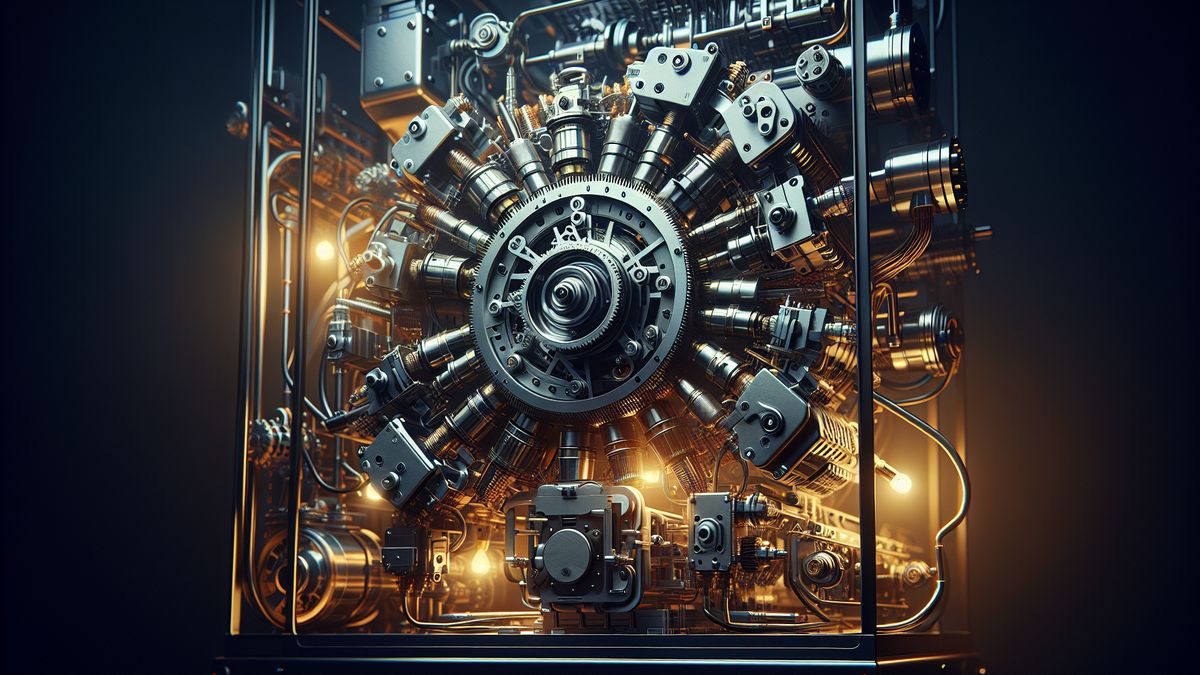
Principle of operation of an automatic starting generator
What is an auto-start generator?
A self-starting generator is a device capable of producing electricity in the event of a power outage or power grid failure. It is often used as a backup power source in areas where continuous power supply is crucial, such as hospitals, data centers, construction sites and industrial facilities.
The operation of an automatic start generator is based on the principle of automatic detection of power outage and automatic start of the generator to take over the power supply.
Power outage detection principle
The self-starting generator is equipped with a power outage detection system. This system is generally composed of a detection relay, voltage and current sensors, and a control panel.
When connected to the electrical network, the generator constantly monitors the voltage and current reaching it. If the voltage drops below a predefined threshold or the power is interrupted, the detection system detects the power outage and sends a signal to the control panel.
Autostart
Once the control panel receives the power cut signal, it sends a start signal to the generator. Starting can be done in different ways depending on the type of generator.
Some generators use an electric start system that requires a battery to provide the power to start the engine. When the start signal is received, the motor starts and begins to produce electricity.
Other generators use a starting system with an internal combustion engine that must be supplied with fuel to start. In this case, automatic start is achieved by automatically supplying fuel to the engine when the start signal is received.
Charging support
Once the generator has started, it takes over the electrical load previously supplied by the electricity grid. To do this, the generator is connected to a distribution panel which redistributes the electricity produced by the group to the various equipment that needs it.
The self-starting generator also continuously monitors the voltage and current supplied to the load. When power to the electrical network is restored, the generator detects this restoration and automatically transfers the load from the generator to the electrical network. The generator then automatically shuts down to return to a standby mode.
Self-starting generators are essential devices to ensure continuous power supply in the event of a power outage. Their operation is based on a power outage detection system and an automatic generator set starting system. By taking over the electrical load and monitoring the availability of the electricity grid, these generators guarantee reliable and continuous power in emergency situations.
The essential components of a self-starting generator
A self-starting generator is an essential device to ensure continuous power supply in the event of a power outage. This type of generator is equipped with various components that allow it to operate autonomously and start automatically when needed. In this article, we will explore the essential components of a self-starting generator and their role in the operation of the device.
Engine
The engine is the heart of the self-starting generator set. It can run on different types of fuels such as diesel, natural gas or propane. The engine receives the fuel and air necessary for combustion, thus producing the mechanical energy that powers the electric generator. It is equipped with an automatic start system, which is activated when the electric power is cut off.
Electric generator
The electric generator is responsible for converting the mechanical energy produced by the engine into electrical energy. It is composed of a rotor and a stator. When the rotor rotates, it induces an electric current in the stator thanks to the phenomenon of electromagnetic induction. The electric generator thus produces an alternating voltage which is then used to power electrical devices. The capacity of the electric generator determines the power output of the generator set.
Voltage regulator
The voltage regulator plays an essential role in the stability of the output voltage of the generator set. It continuously monitors the generated voltage and adjusts generator output to maintain a constant voltage, even when the electrical load fluctuates. The voltage regulator thus ensures the protection of the powered devices and allows stable operation of the generator.
Starter alternator
The starter alternator is responsible for automatically starting the generator in the event of a power outage. It is connected to the automatic start system which detects when the mains power is cut. The starting alternator then provides an electrical impulse to the engine to start it and ensure continuity of electrical power. This alternator is generally equipped with a battery which allows it to store electrical energy for subsequent starts.
Control system
The control system is the interface between the user and the self-starting generator set. It allows you to monitor and control the operation of the device. The control system is usually equipped with a screen that displays information about the generator set status, fuel level, output voltage, etc. It also allows adjustment of operating parameters such as output frequency, voltage, etc.
A self-starting generator is made up of several essential elements that guarantee reliable and autonomous operation. The engine provides the necessary mechanical energy, the electric generator converts it into electrical energy, the voltage regulator maintains a constant voltage, the starter alternator ensures automatic starting when necessary and the control system allows monitoring and control. check the generator. These components work together to ensure continuous power supply, even in the event of a power outage.
The process of automatically starting the generator
Generators are essential equipment to ensure the production of electricity in the event of a power outage or in isolated locations. Among the different types of generators, those with the automatic start function offer a practical and reliable solution to maintain the power supply. In this article, we will explain in detail the process of automatically starting a generator.
The operating principles of the generator
Before going into the details of automatic starting, it is important to understand the operating principles of a generator. Based on the principle of energy conversion, generators are equipped with a heat engine which drives an alternator to produce electricity. The heat engine can run on different types of fuel such as gasoline, diesel, natural gas, or even propane.
The manual startup process
To better understand how autostart works, it is necessary to review the process of manually starting a generator. In a typical generator, a user must start the engine manually by operating a lever or pressing a start button. This helps circulate fuel to the engine and begins the combustion process. Once the engine starts, the alternator begins to produce electricity.
The advantages of automatic start
Automatic start offers many advantages over manual start. First of all, it ensures autonomous operation of the generator, without human intervention. This is particularly useful if the user is absent or in an emergency situation. In addition, automatic start-up allows immediate responsiveness in the event of a power outage, thus guaranteeing continuity of power supply. Finally, with an integrated monitoring system, automatic start-up makes it possible to detect breakdowns or malfunctions and act quickly to resolve them.
How autostart works
The automatic start of a generator relies on sensors and control devices. When a power outage is detected, a signal is sent to the generator to initiate the automatic start-up process. The generator is equipped with a battery that provides the energy needed to start the engine. Once the engine is running, the system checks whether the generator is ready to supply electricity. If everything is in order, the alternator is activated and begins producing electricity. Once mains power is restored, the generator returns to standby state and is ready to intervene again in the event of another power outage.
Automatic generator start-up offers a practical and reliable solution to ensure continuous power supply in the event of a power outage. Thanks to its autonomous operation and immediate responsiveness, it constitutes essential equipment in many contexts, whether for industrial installations, hospitals, data centers or even residential areas.
The advantages of an automatic start generator
An auto-start generator is an essential piece of equipment to ensure a continuous power supply during a power outage. Unlike traditional generators, which require manual start-up, auto-start generators are able to detect power outages and start up instantly, ensuring a smooth transition to a backup power source. In this article, we will explore the benefits of using an auto-start generator.
1. Safety
One of the main benefits of an auto-start generator is the safety it provides in the event of a power outage. By instantly detecting the power outage, the generator automatically starts up to provide backup power without delay. This helps keep emergency lighting, security systems, critical medical devices, and other vital equipment running, which can be essential in emergency or crisis situations.
2. Reliability
Auto-start generators are designed to provide a continuous and reliable power supply. With their ability to detect power outages and start automatically, they ensure a smooth transition to the backup power source, avoiding costly and potentially dangerous outages. The reliability of an auto-start generator is essential in industries where any power outage could have catastrophic consequences, such as hospitals, data centers, telecommunications facilities, power plants and other critical infrastructure.
3. Comfort
An automatically starting generator helps maintain comfort in buildings and residences during power outages. Whether to power air conditioning systems, household appliances, lighting or leisure equipment, the automatic generator ensures continuity of electrical supply, thus avoiding disruption and inconvenience caused by power outages. This is especially important in areas where power outages are common or during extreme weather events.
4. Energy saving
In addition to providing continuous power, self-starting generators also offer energy-saving benefits. They feature power management systems that allow power consumption to be monitored and controlled as needed. This ensures efficient use of energy and reduces costs associated with excessive electricity consumption. Additionally, auto-start generators can be programmed to operate only during peak periods, maximizing energy savings and reducing operating costs.
In summary, a self-starting generator provides reliable, secure and continuous power supply in the event of a power outage. It ensures the safety of people and equipment, guarantees a smooth transition to a backup energy source, maintains comfort in buildings and provides significant energy savings. With these advantages, it is clear that self-starting generators are indispensable in many sectors and are an effective solution to deal with power outages.