
Fuels: Display of price per kilometer in application
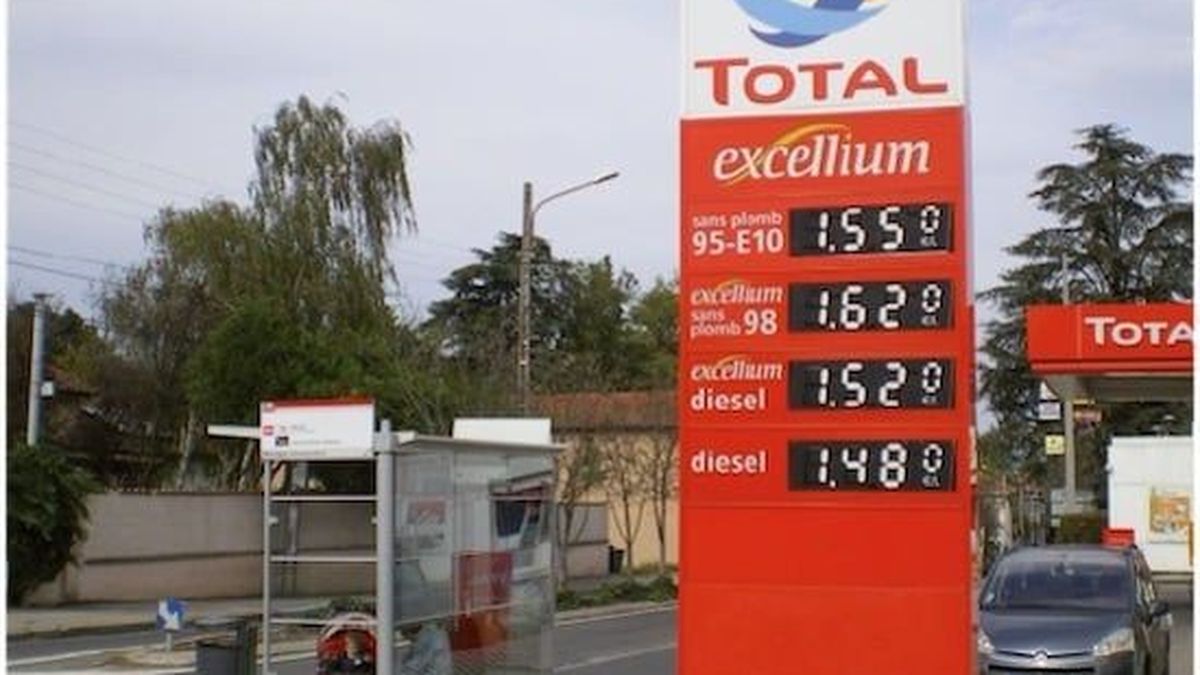
All gas stations display the fuel price per liter. However, they can now display the price to pay for 100 kilometers traveled. Thanks to such a measurement, it is much easier to compare the prices of different energies.
The entry into force of the directive in France
The new display of fuel price per kilometer is a European directive entering France on December 7, 2020. Even if this new feature does not imply a big change in our daily lives, it still remains practical. Since the application of this directive, fuel distributors have been able to display the price of fuel in euros per 100 km. Of course, it is possible to see the usual prices per liter at the same time. With this in mind, consumers will be able to better understand their actual fuel consumption and thus think about electric vehicles and alsoelectric charging installation at their home or workplace.The objectives of this new display
With the display of the price of fuel per kilometer traveled, the European Union aims to offer a common technique for comparing fuel prices. This directive also aims to encourage customers to favor renewable energies. This type of energy is more ecological and more economical. Of the additional insurance may be necessary. Read also: Boiler maintenance: who should take care of it between the owner and the tenant?The different types of fuels offered
You will discover several types of fuels on this new display: • Diesel: €6.3/100 km • Gasoline: €8.4/100 km • Electric: €2.9/100 km • LPG (liquefied petroleum gas): €7.1/100 km • Compressed natural gas: €6.7/100 km • Hydrogen: €11.3/100 km • Bioethanol: €6.03/100 km Bioethanol is of interest to more and more motorists because of its economic and ecological aspects. In fact, it is a biofuel resulting from the transformation of plant materials produced by agriculture. These materials can be cereals, sugar beets, etc. Before opting for bioethanol, you should know more about its advantages and disadvantages. You can also compare it with LPG, a mixture of propane and butane. Hydrogen is also interesting, a fuel using a chemical transformation of dihydrogen as propulsion energy. As part of electric cars, the hydrogen car is equipped with a fuel cell which allows it to produce the electricity it needs itself. Unlike purely electric vehicles, hydrogen vehicles do not use the energy provided by an integrated battery. Read also: Advertising items: why distribute them to your customers?Hydrogen begins to emerge
A hydrogen car also offers the same driving sensation as an electric car. The start will be impulsive and you will not feel any engine noise. As for its charging time, it is much faster than that of a fully electric vehicle which takes on average 30 minutes to fully charge. For its part, the tank of a hydrogen vehicle is full in just 5 minutes. Furthermore, such a car is more autonomous than a purely electric car. In fact, a full tank of hydrogen is enough for 500 km whereas for an electric vehicle, it must have a very large battery. This involves increasing the weight of the car and its charging duration. We also see that compressed natural gas (CNG) cars are starting to attract more motorists. The gas used is composed of biomethane or methane. This is the same gas distributed on the general French network to heat your home. Compressed natural gas is known to provide 30% savings on fuel. CNG engines also emit 25% less greenhouse gases than diesel engines. Read also: Why subscribe to a remote monitoring service?A display not yet 100% reliable
Although this new display is particularly useful, it is not yet entirely reliable. Indeed, cars display different consumption levels. In order to achieve a relatively reliable result, the European Union applied this calculation method: multiply the average consumption of the three best-selling car models the previous year by the average price of fuel during the 3 months preceding the display. It goes without saying that the result will not be very precise, but it will give you a small idea of the price of fuel that you will have to spend over 100 km. Also read: How to find your IP address or geolocate someone's IP address? We have the answerArticles similaires


Good deals