Car injection: a revolution in the operation of gasoline and diesel engines
The system offuel injection is an essential element for the proper functioning of a car engine. It allows the correct distribution of air-fuel mixture in the combustion chambers, in order to optimize performance andfuel economy.
In this article, we will introduce you to the different types of injection, how they work, as well as their advantages and disadvantages.
The different types of injection for car engines
There are several types of injection systems used in car engines:- Indirect injection: Fuel is injected into the intake manifold, where it mixes with air before being delivered to the cylinders. This type of injection was commonly used on gasoline engines until the late 1980s.
- Direct injection: the fuel is directly injected into the combustion chambers, which allows for better atomization and mixing with air. Diesel engines have used this type of injection for a long time, while gasoline engines began adopting it in the early 2000s.
- Electronic injection: a computer electronically controls fuel injection based on engine needs. L'electronic injection can be applied to both indirect and direct injection, and has become standard on modern cars.
How the injection system works
Mechanical injection vs. electronic
In the mechanical injection systems, there fuel pressure and injector opening time are determined by engine speed and engine load. The calculation of these parameters is done using levers, cams and springs, without electronic intervention. Although mechanical injection systems are robust and simple, they can lack precision and flexibility to adapt to different driving conditions. On the other hand, theelectronic injection uses sensors and a computer to adjust the quantity of fuel injected in real time, depending on engine operating conditions. This electronic management makes it possible to obtain air-fuel mixture more precise and suitable, thus improving performance and fuel consumption.The components of the injection system
The injection system is made up of several elements, some of which are common to all types of injection:- The fuel pump : it supplies fuel under pressure to the injectors.
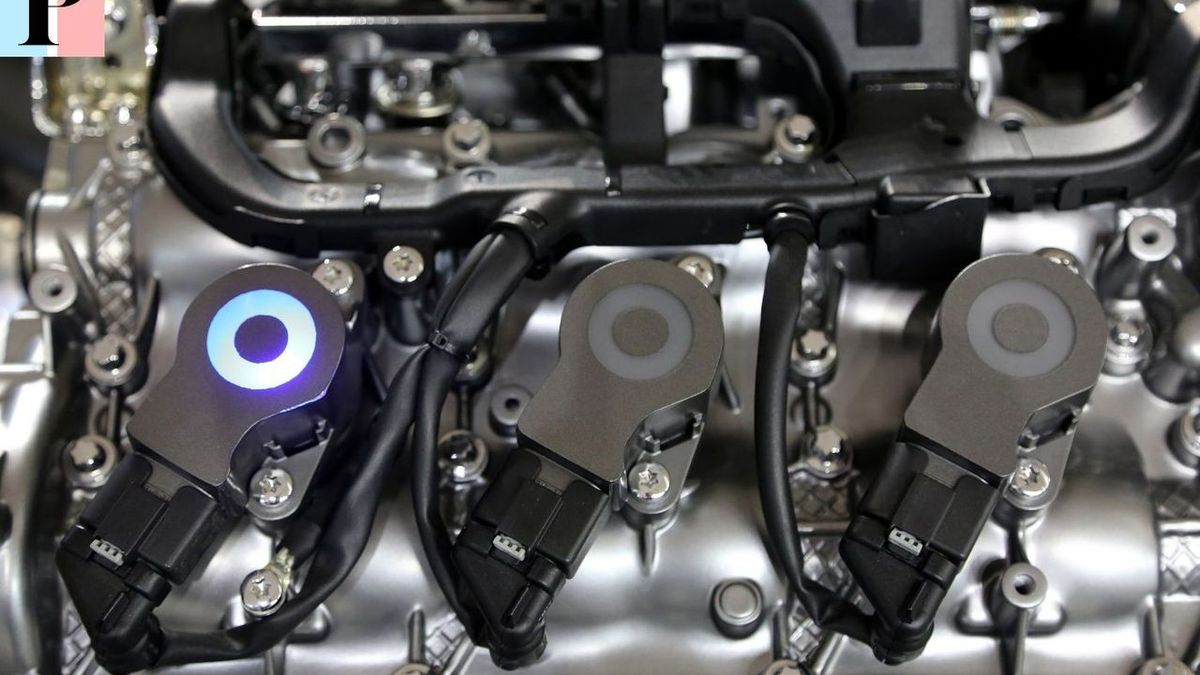
- The injectors : they vaporize the fuel and project it into the intake manifold or combustion chambers.
- The pressure regulator : it maintains constant pressure in the fuel supply lines.
- THE electronic calculator (for electronic injection): it analyzes the sensor data and determines the quantity of fuel to inject, as well as the injection time.