
What is the impact of outdoor activities on the development of children in daycare?
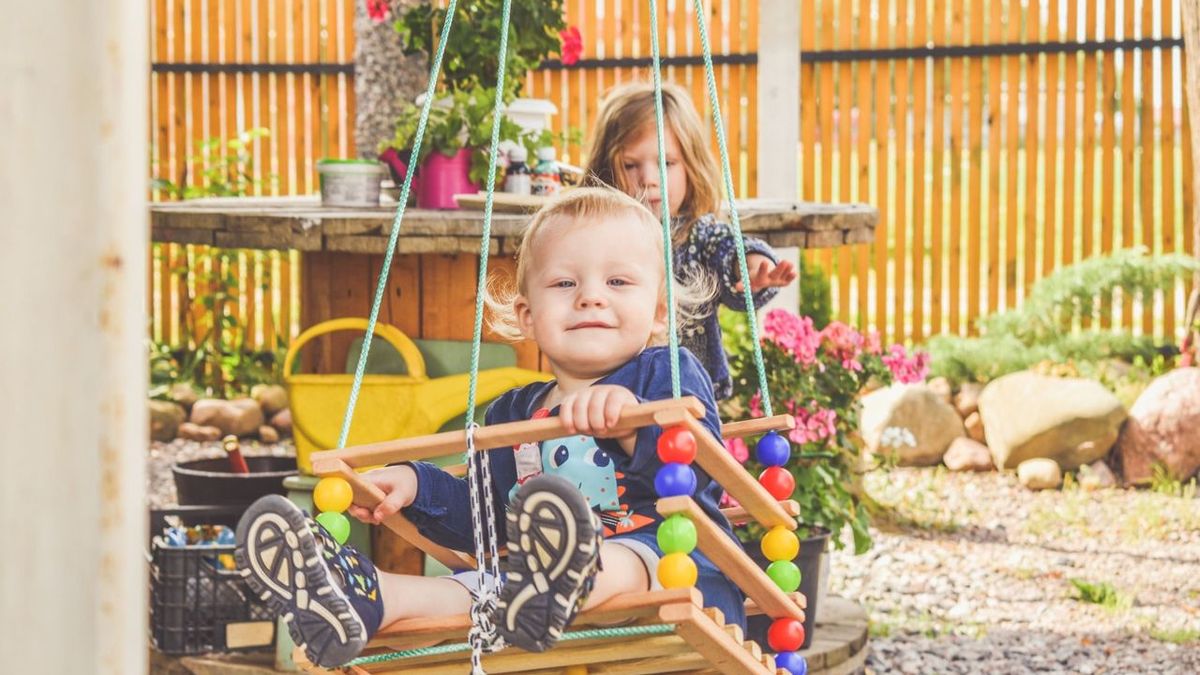
The education of little ones is the anchor for their future development. This is why more and more nurseries are encouraging outdoor activities from a very young age. These are credited with having a positive impact on the physical, emotional and social development of children. Discover in this article the impact on growth of games and outdoor living.
 It should also be noted that outdoor activities also have a positive impact on children's mental health. Taking children to daycare to spend time outdoors to de-stress can be particularly beneficial for those going through periods of transition, such as moving to daycare.
Contact with nature can help them concentrate better and develop a greater ability to manage their emotions. This can have positive effects on toddlers' behavior and learning.
Read also: Children's rooms: which colors are preferred?
It should also be noted that outdoor activities also have a positive impact on children's mental health. Taking children to daycare to spend time outdoors to de-stress can be particularly beneficial for those going through periods of transition, such as moving to daycare.
Contact with nature can help them concentrate better and develop a greater ability to manage their emotions. This can have positive effects on toddlers' behavior and learning.
Read also: Children's rooms: which colors are preferred?
The impact on the physical and emotional development of children
Outdoor activities offer numerous opportunities for physical development to children in collective structures. Outside, they can explore space by running, climbing or jumping. This stimulates their gross motor skills, strengthens muscles and bones and improves balance and coordination. In addition, exposure to natural light promotes the production of vitamin D which is necessary for bone growth and strengthening the immune system. Some playful roaming crèches offer children free movement according to their needs and desires. Furthermore, by oscillating between the inside and the outside, little ones acquire healthy habits that stimulate their curiosity, make them aware of nature, and make them more resilient and less fearful. Indeed, outdoor activities have a significant impact on the emotional development of children in daycare. Spending time outside helps reduce stress, anxiety and improve sleep. Little ones who sleep better are more relaxed and therefore interact more positively with their peers.The impact on social and cognitive development
In addition to the influence of outdoor activities on physical and emotional development, they also encourage the social development of children in daycare. Outdoor group games promote collaboration, communication and sharing. Children learn through these moments of collective play to resolve conflicts constructively and to understand the needs of others. They develop essential social skills for success in daily life and at school. Likewise, outdoor activities also stimulate children's cognitive development. Children, accustomed to exploring nature and observing plants and animals, develop their curiosity and their ability to ask questions. This encourages them to develop their problem-solving skills. Speaking of cognitive development, it should also be noted that the outdoors offers an ideal space for toddlers' creative expression. Children can draw with sticks in the sand, build forts using branches or even create natural works of art from items found in nature. This fosters their creativity and imagination by encouraging them to think innovatively and explore their own creativity. Sensory development is also one of the benefits of outdoor activities. They support sensory learning because children are exposed to a variety of tactile, visual and auditory sensations, which contributes to their sensory development.The impact on the mental health of toddlers
It should also be noted that outdoor activities also have a positive impact on children's mental health. Taking children to daycare to spend time outdoors to de-stress can be particularly beneficial for those going through periods of transition, such as moving to daycare.
Contact with nature can help them concentrate better and develop a greater ability to manage their emotions. This can have positive effects on toddlers' behavior and learning.
Read also: Children's rooms: which colors are preferred?