US vetoes UN Security Council resolution calling for ceasefire in Gaza
The United States have once again resorted to their right of veto within the United Nations Security Council, blocking a resolution that called for a ceasefire in Gaza.
A controversial right of veto
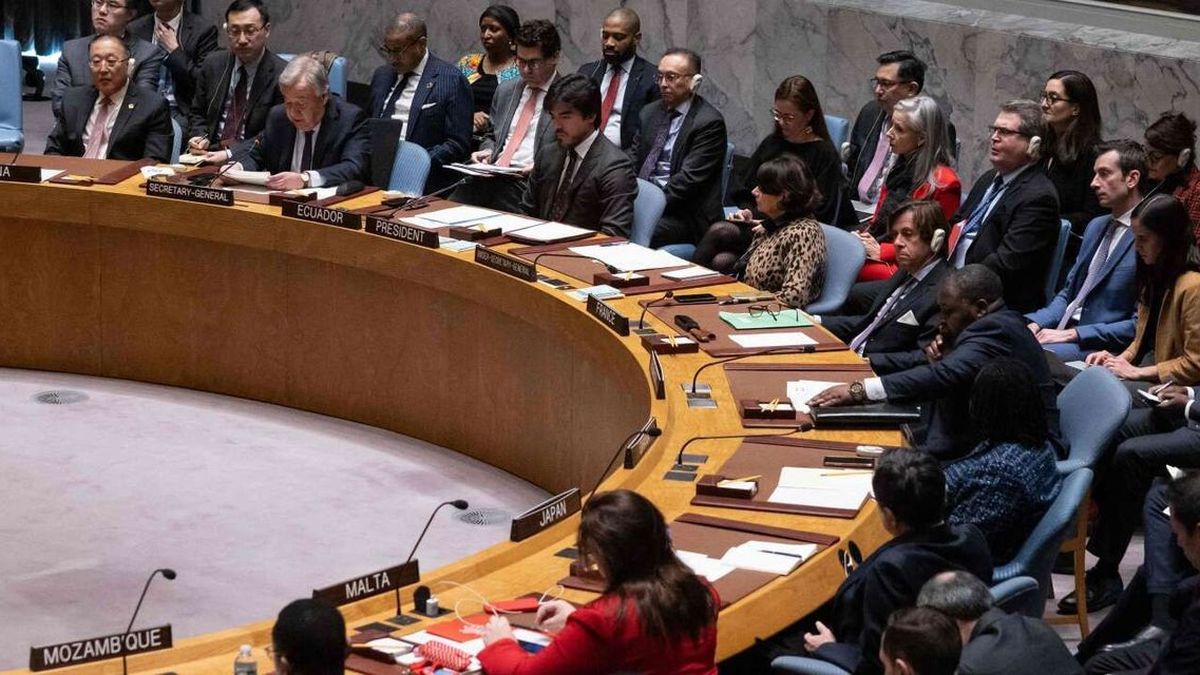
The United States, one of five permanent members of the UN Security Council with veto power, has once again used its veto power to block a resolution aimed at easing tensions in the Middle East. Although the majority of council members voted for an immediate ceasefire, the American position prevailed.
The use of the veto by the United States once again demonstrates the complexity and challenge of resolving conflicts in the Middle East. Their decision has reignited debates about the role of the United Nations Security Council and how to balance the rights and duties of permanent members.
The reaction of the international community
The international community has displayed mixed reactions to the use of the veto by the United States. While some have supported the US action by expressing similar concerns about the effectiveness of a ceasefire, others have strongly criticized what they see as a failure to act for peace.
The resolution aimed to facilitate humanitarian efforts in the region and ease tensions by calling for an immediate ceasefire. The continued escalation of tensions in the Gaza Strip has led to an increasing number of civilian deaths and injuries, making the situation a major international security concern.
An American position still in favor of Israel
The US position is often interpreted as one of continued support for Israel, despite the complexity of the situation on the ground. The US maintains that its veto does not mean that it is against a ceasefire, but that it wants to ensure that any resolution is comprehensive and addresses the root causes of the conflict, including the role of militant groups that the US and its ally Israel consider terrorists.
In conclusion, this veto reaffirms the delicate international position of the United States regarding the Israeli-Palestinian conflict. It also sheds a harsh light on the difficulties inherent in resolving international conflicts within the United Nations Security Council.