Rafah under siege: 110,000 people displaced since the intervention of the Israeli army
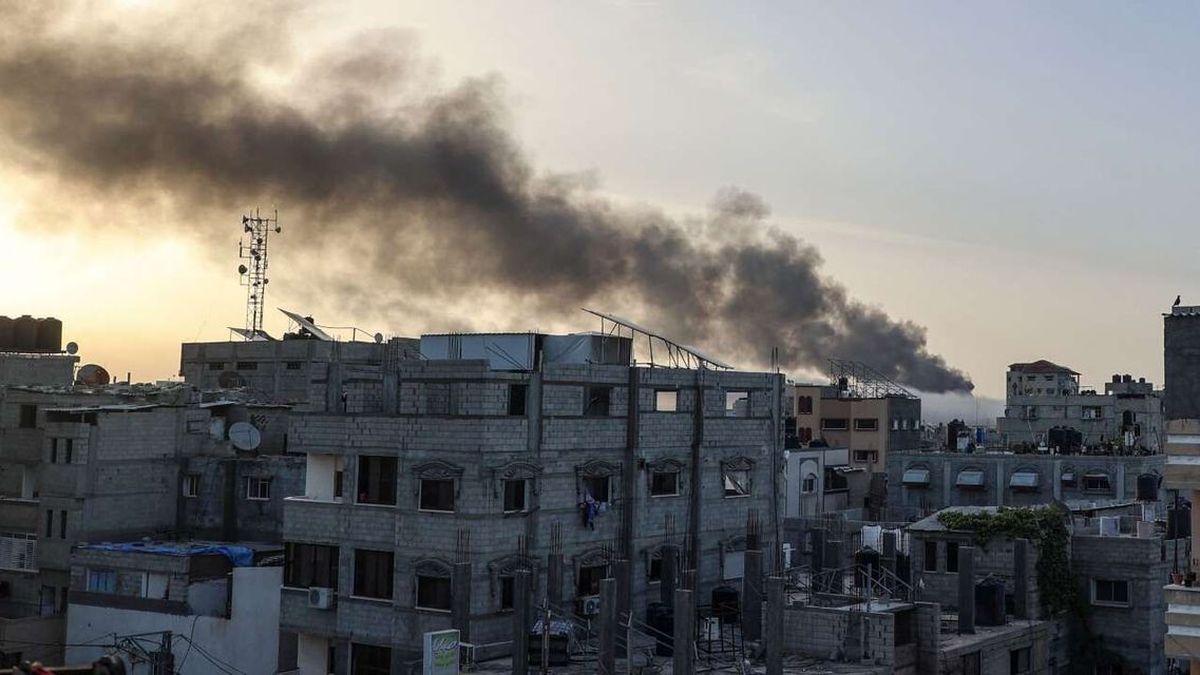
According to the United Nations (UN), a massive wave of evacuations followed the advance of the Israeli army in the town of Rafah, in the south of the Gaza Strip. More than 110,000 people fled their homes since the escalation of violence began, creating a major humanitarian crisis.
Repercussions of the offensive on civilians
The intervention of theIsraeli army plunged the city of Rafah into a state of chaos and fear, causing a mass exodus of the civilian population. With families fleeing violence and destruction, the question of housing and welcoming these displaced people is becoming a major challenge for the international community.
The role of the UN in the humanitarian crisis
According to the latest reports from theUN, refugee camps are already saturated and the organization is calling for urgent international assistance to provide shelter, food, water and medical care. The UN is also mobilizing to negotiate a ceasefire with the aim of protecting remaining civilians and facilitating the delivery of humanitarian aid.
An ongoing humanitarian crisis
The situation continues to deteriorate, accentuating the humanitarian crisis hitting the city of Rafah. Humanitarian organizations are struggling to meet the increasingly pressing needs of the displaced.
With a civilian population trapped in violence, the destruction of infrastructure, and the absence of immediate viable solutions, the issue of Rafah remains a significant issue for the UN and the international community. However, hope lies in global mobilization to mitigate the impact of violence and allow a return to calm and stability in the region.
In conclusion, the progress ofIsraeli army led to a massive displacement of the civilian population of Rafah. This alarming situation requires rapid and effective intervention by the international community to guarantee the protection and well-being of displaced people.