
The importance of home insurance to protect your apartment
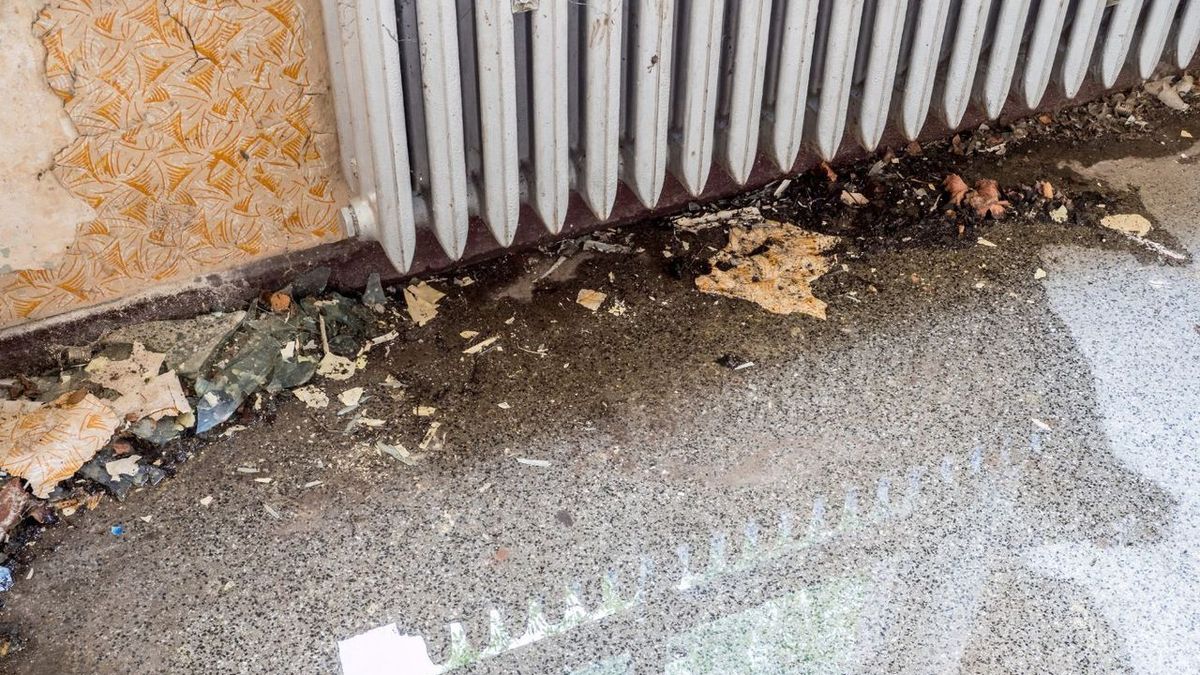
Home insurance is an essential element in protecting your home and your belongings. Whether you are a tenant, co-owner or owner, taking out home insurance can save you from serious financial consequences in the event of a disaster.
In this article, we will explore the importance of home insurance, the risks covered, its benefits and how to choose the best solution to secure your home.
Why is home insurance essential?
Home insurance is essential because it covers the rental risks to which your home may be exposed. As a tenant or co-owner, it is your responsibility to ensure that your home is protected against possible damage caused by incidents such as fire, water damage or natural disasters. In addition, this guarantee also covers costs related to damage caused to others (civil liability).What risks are covered and why should you take out insurance?
Home insurance provides protection against various types of losses for insure your apartment :- Fire : Covers damage caused by fire, including that caused by an explosion.
- Water damage : Protects against damage caused by water leaks or flooding.
- Natural disaster : Covers damages resulting from events such as storms, floods or earthquakes.
- Theft and vandalism : Covers loss or damage linked to a burglary or an act of vandalism.
- Civil liability : Ensures coverage of costs incurred following damage caused to a third party (physical, material or immaterial).
Home insurance in the event of fire
House fires are unfortunately a very real risk and can have devastating consequences. They can be caused by a variety of sources, including faulty electrical installations, kitchen appliances left unattended, improperly extinguished candles or cigarettes, faulty heaters, and much more.Here are some important things to consider about house fires:
- Prevention : Prevention is the first line of defense against home fires. This includes installing smoke detectors and checking them regularly, being aware of potential fire hazards (e.g. not leaving kitchen appliances unattended, properly extinguishing candles and cigarettes), and regular maintenance of electrical installations and heating appliances.
- Smoke detectors : Smoke detectors are essential for fire safety in the home. They can quickly detect the presence of smoke and warn you of a possible fire, often long before you notice it yourself. In France, since 2015, the law requires each home to be equipped with at least one smoke detector.
- Evacuation plan : Having a fire escape plan is crucial. This means knowing your home's emergency exits, knowing how to evacuate quickly and safely, and having an agreed assembly point outside the home.
- Training : Learning how to use a fire extinguisher and knowing the basics of firefighting can be very helpful in the event of a minor fire.
- Home insurance : Finally, it is important to have home insurance that covers damage caused by fire. This can help you recover financially after a fire, by covering the costs of repairs or rebuilding, as well as replacing lost property.
Home insurance in the event of water damage
Water damage is a term that generally refers to damage caused to a building or personal property by water. This damage can be caused by several factors, including flooding, plumbing leaks, roof problems, humidity or condensation, among others. In France, the majority of home insurance contracts cover water damage. When water damage occurs, it is important to report it quickly to your insurance company, generally within five days of noticing the loss. It is also recommended to document the damage as much as possible (for example, by taking photos) to facilitate the processing of the claim. The insurer will carry out an assessment of the damage and, depending on the insurance contract and the cause of the damage, will determine whether the repair or replacement costs are covered by the insurance policy. To prevent water damage, it can be helpful to perform regular checks and maintenance on your home's plumbing, roofing, and drainage systems, and to take steps to secure the home in the event of water damage. expected flooding.What are the advantages of home insurance?
Home insurance has several advantages for tenants and co-owners:- Protection of movable and immovable property : In the event of a disaster, comprehensive home insurance allows you to compensate for losses suffered, whether it concerns your home, your furniture or your personal items.
- Civil liability : It covers your liability in the event of damage caused to others, whether in your private life or during an event involving your home.
- Financial support : Home insurance provides you with financial assistance to deal with the consequences of a disaster.
What are the consequences of not having home insurance?
Not taking out home insurance can lead to serious financial and legal consequences:- Financial risks : Without insurance, you will have to bear the high cost of repairs or replacement of your damaged goods alone.
- Legal sanctions : As a tenant, the absence of home insurance can lead to the termination of your lease and expose you to legal action.
How to choose home insurance?
Here are some tips for choosing the best home insurance:- Compare offers : Carefully examine the guarantees offered by different insurance companies and their prices.
- Evaluate your needs : Select a formula adapted to your specific needs taking into account the type of accommodation, its location and the value of your property.
- Check exclusions and deductibles : Make sure you understand the limits of your insurance contract and any applicable deductibles.
Conclusion
Home insurance is a key element in protecting your home and property against rental risks. It covers various types of losses, offers financial protection and ensures your civil liability in the event of damage caused to others. It is therefore crucial to take out home insurance adapted to your needs to avoid any unpleasant surprises in the event of a disaster.Articles similaires

Car/Motorcycle