The Auvergne-Rhône-Alpes Region stops financing wind turbines
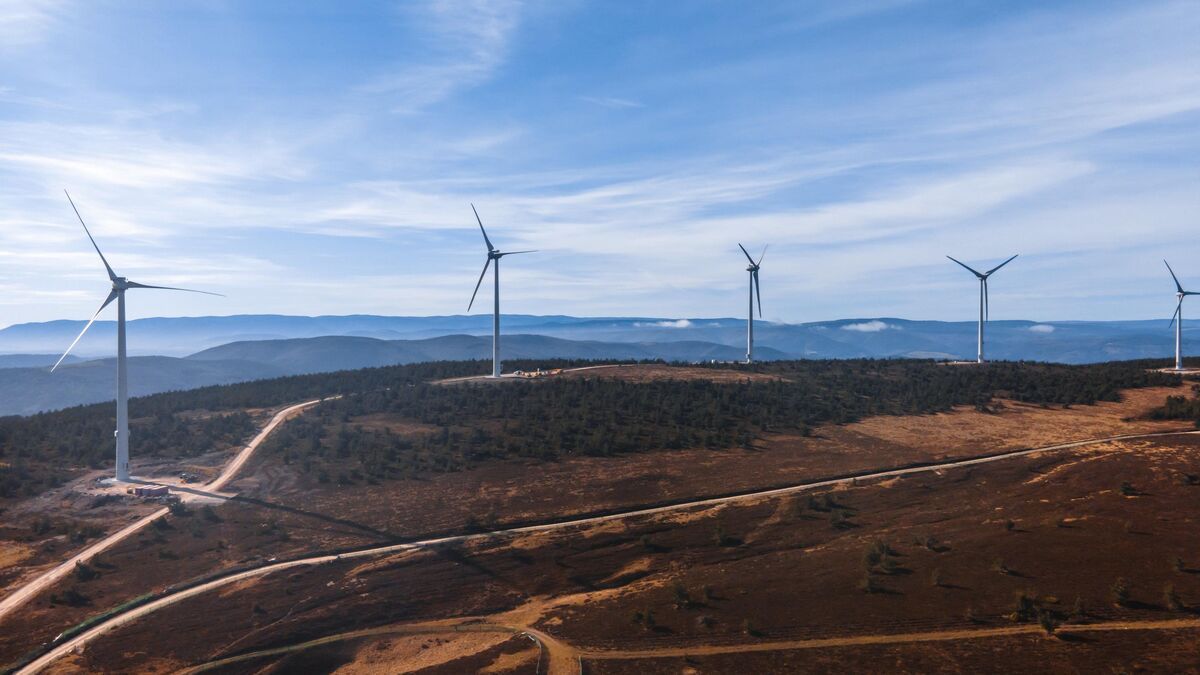
There Auvergne-Rhône-Alpes, one of the most dynamic regions in France, recently announced that it would no longer finance the development of wind projects. This decision was taken following a vote by the Regional Council, marking a major turning point in the region's energy policy.
A surprising decision in the current context
While France, like many other countries, is working to reduce its greenhouse gas emissions, this decision may seem surprising. Nevertheless, regional officials of theAuvergne-Rhône-Alpes justified this choice by highlighting the visual and environmental impact of wind turbines.
They also discussed the numerous local protests against the installation of new wind turbines, highlighting the tensions generated between stakeholders. Concerns have been raised that wind turbines harm biodiversity, disrupt natural landscapes and can cause noise pollution.
What future for renewable energies in Auvergne-Rhône-Alpes?
Despite the cessation of financing of wind turbines, regional officials of theAuvergne-Rhône-Alpes reaffirmed their commitment to renewable energy. They plan to favor other forms of clean energy, such as solar and hydraulic, which have a lower environmental impact and are better accepted by citizens.
They also expressed a desire to invest in innovative and sustainable technologies to secure a clean energy future for the region. This could include funding research and development in areas such as energy storage and smart grids.
A strong signal sent to the wind industry
The region's decision Auvergne-Rhône-Alpes to stop financing wind turbines sends a clear message to the energy industry and other French regions. While the transition to renewable energy sources is a national priority, it is crucial to consider local impacts and concerns. This position could pave the way for a reassessment of renewable energy strategies, favoring less controversial solutions that are more accepted by the population.