The distress of health professionals with long Covid: “I had to abandon my profession”
The dismay of caregivers diagnosed with long Covid : “I had to mourn my job”
An alarming reality is slowly emerging within the medical profession: the distress of caregivers who, confronted with the persistent manifestation of symptoms of Covid-19, are forced to give up their vocation.
Diagnosed with “long Covid”, caregivers mourn the loss of their profession
Respiratory complications, chronic fatigue, neurological symptoms, Long Covid is a nightmare that never ends for some caregivers. Victims of this form of the disease, they are forced to suspend, or even completely abandon, their functions.
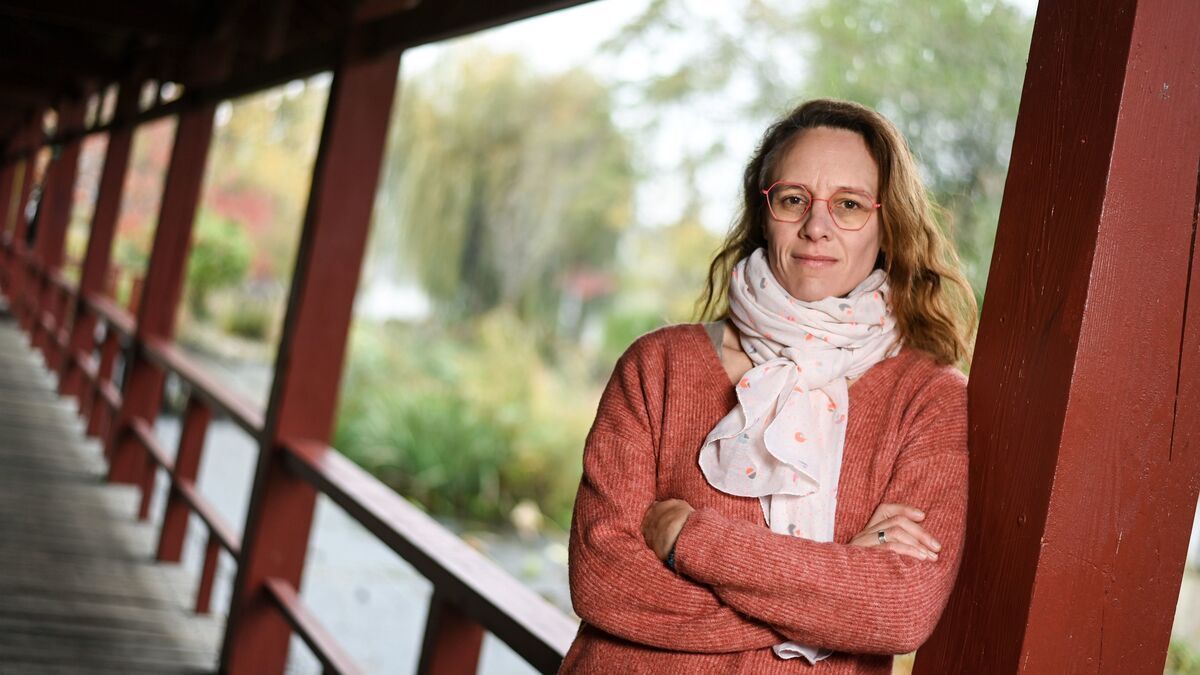
“I had to mourn my job », Reveals Nathalie, former nurse anesthetist. “As healthcare professionals, we are always used to taking care of others, to showing strength. But in the face of long Covid, we find ourselves powerless, and this helplessness is increased tenfold when we have to give up our vocation. »
The daily struggle of caregivers with long Covid
THE Long Covid does not choose its victims. Caregivers or not, these are all individuals who, despite their recovery from Covid-19, continue to suffer from persistent symptoms. Fatigue, difficulty breathing and neurological problems are among the most common.
“It’s a daily battle,” emphasizes Marc, a general practitioner diagnosed with long-term Covid. “Some days getting out of bed is a challenge. Imagining returning to service under these conditions is, for the moment, unthinkable. »
The urgent need for solutions for caregivers diagnosed with long Covid
Faced with this problem, voices are being raised to demand greater recognition of Long Covid and its impacts on caregivers. The latter having been on the front line facing the pandemic, they are calling for the implementation of concrete solutions to support them in their recovery and to adapt to their new reality.
“We need support and appropriate care,” confides Nathalie. “And above all, recognition of our situation by the State and our colleagues. It is no longer just about our health, but also about our professional future. »