
Respecting children's privacy means teaching them consent
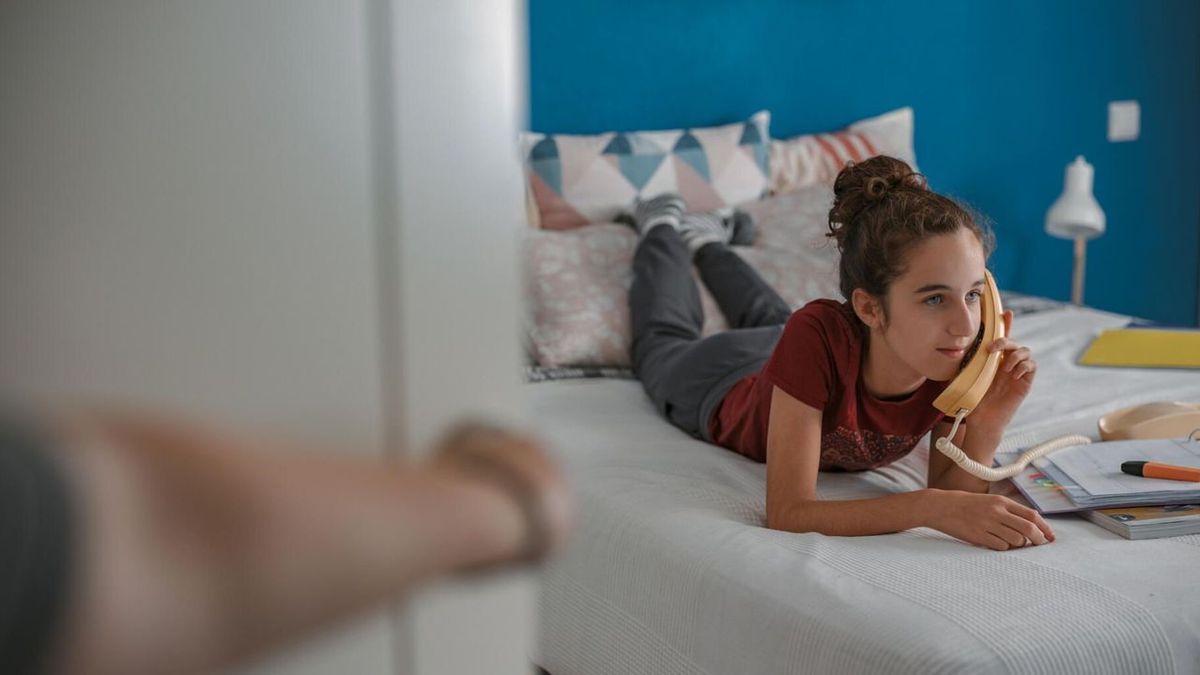
Respecting the private lives of children: learning consent
Like adults, children have the right to a private life. Recognition and respect for this personal space can play a determining role in their development and training. More precisely, they play a key role in learning consent. So why is respecting children's privacy an essential step in teaching them the concept of consent, and how can we help as parents or educators?
Consent and the child: a fundamental notion
Consent is a key concept that should be taught from a young age. Its early learning gives children the tools necessary to understand, recognize and respect their own limits and those of others. It is by respecting their privacy that we teach children to identify their own comfort and to clearly express their consent or refusal.
Reasoning in terms of “rights”
It is important to consider children as holders of rights, including the right to privacy. Recognizing this personal space and respecting it helps to strengthen their autonomy and self-confidence. They learn that their body belongs to them and that they have the right to control who has access to their personal space.
The private lives of children and the role of parents and educators
As parents and educators, it is our responsibility to create an environment where children feel safe to express their feelings, thoughts and desires. This is directly linked to respect for their privacy. It's about listening to them, not interrupting them when they're talking, respecting their room as a private space, not going through their personal belongings without their permission and teaching them to do the same.
Learning consent: a long-term impact
By respecting the private life of children, they are taught to understand their own feelings, which can have a long-term impact on their self-esteem and future relationships. They are thus able to develop a precise knowledge of what consent is, and are more likely to apply this mutual respect in their adult lives.
In conclusion, teaching consent from an early age, based on respect for privacy, is crucial for the overall development of children. We, as adults, must ensure that their voices are heard and their rights are respected.