Anti-Putins intensify their opposition with symbolic actions
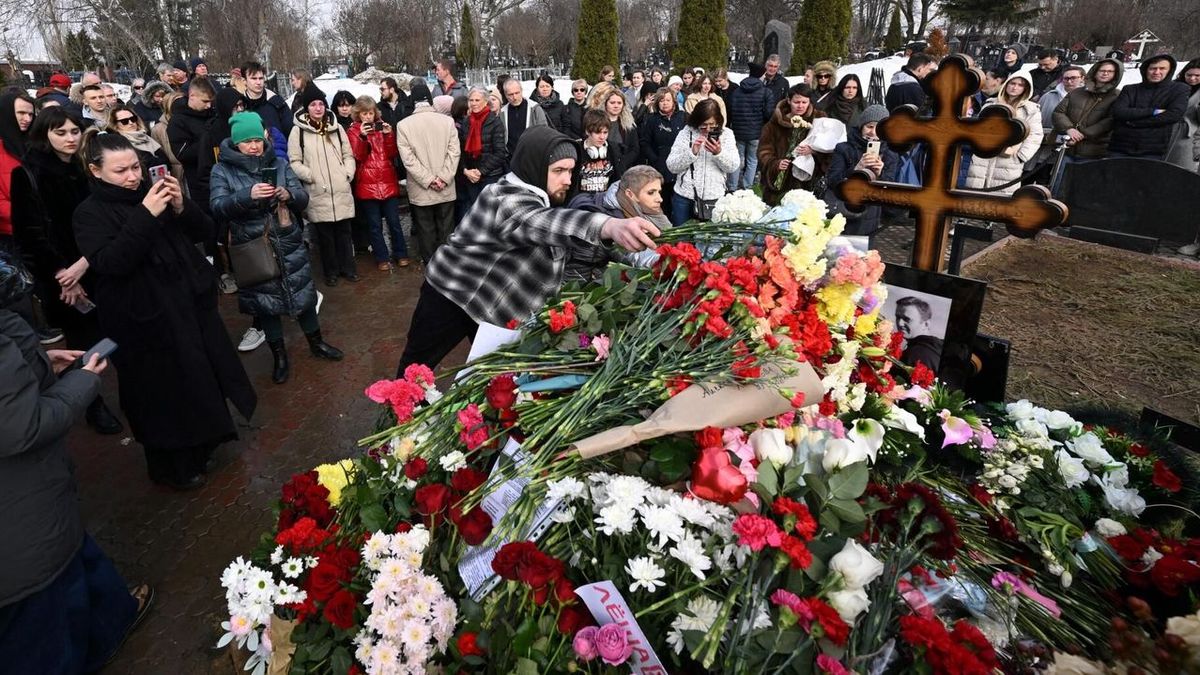
During the voting period in Russia, those opposed to President Vladimir Putin used a series of symbolic gestures to express their disagreement. These, known as anti-Putin, used these non-violent signs to demonstrate their political opposition to current governance.
Symbolic actions mark the vote
As voting progressed, these symbolic actions became increasingly apparent. Painting public benches blue, launching balloons and using peaceful symbols like the dove clearly state their message of peace and freedom of political expression.
These symbolic actions are not just a simple manifestation of their discontent. Rather, they are powerful political acts defining a new phase of anti-Putin resistance and activism.
Silent but remarkable demonstrations
The use of non-violent forms of activism is a key strategy for these activists, allowing open expression of their views without resorting to violent or aggressive means. These peaceful demonstrations underline the anti-Putin aspiration for a democratic and free Russia, where human rights are respected.
The anti-Putin also used social media to magnify their message. They posted photos and videos of their symbolic actions, amplifying their voices and reaching a global audience.
An international resonance
Although these symbolic actions have their roots in Russia, they have resonated around the world. International human rights organizations, as well as political observers around the world, have praised the ingenuity and bravery of the anti-Putin crowd.
These symbolic actions mark a new important step in opposition to Putin's governance. They highlight growing discontent with political repression and remind the world of the importance of freedom of expression.
In conclusion, the rise of anti-Putin and their symbolic actions mark a new phase of political activism in Russia. As the reach of their message continues to spread across the world, it will be interesting to see how this evolves during the next round of elections in Russia.