Strong condemnation from the UN towards the vote in the annexed territories:
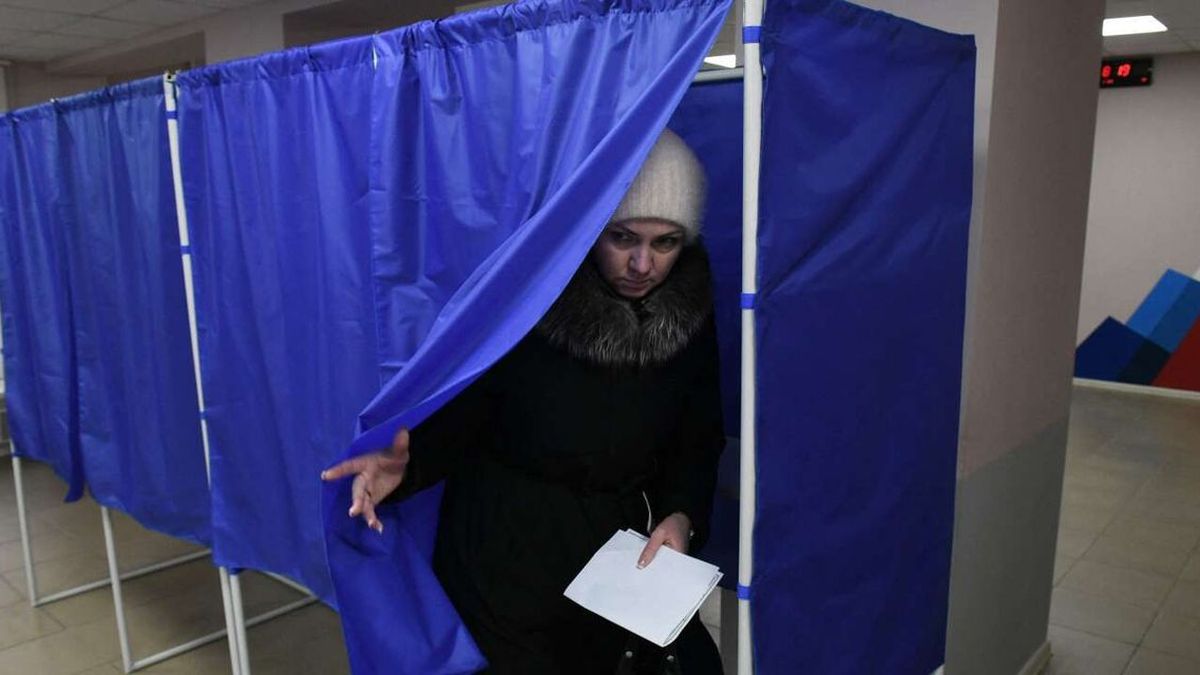
The atmosphere was tense at the United Nations (UN) as more than fifty countries proclaimed their condemnation of the holding of the vote in the Ukrainian territories annexed by Moscow. All these countries expressed their concern and strongly criticized the action taken by Russia.
Countries “condemn in the strongest terms”
The more than fifty countries, in their joint statement, expressed their total disagreement with the conduct of the election. They have “condemned in the strongest terms” this move by Russia, claiming it was a blatant violation of international law and human rights.
These countries argued that this vote went against Ukraine's territorial integrity and its democratic sovereignty. They also expressed concerns about the conditions in which the vote took place, citing allegations of pressure and intimidation of voters.
The intervention of the Russia in the Ukrainian territories
Since Russia's annexation of Crimea in 2014, the situation in eastern Ukraine remains tense. Relations between Russia and Ukraine are in shambles and the international community continues to closely monitor the situation, with the hope of reaching a peaceful resolution.
However, the conduct of the vote in the disputed territories has reignited tensions, leading a large number of countries to strongly condemn Russia's act.
The voice ofUN
The UN, as a supranational organization, has a central role to play in this situation. While more than fifty members have already expressed their disapproval of Russia's action, the UN could potentially take additional steps to denounce this violation of international law.
In conclusion, the holding of the vote in the Ukrainian territories annexed by Russia sparked a significant wave of international condemnation. The real question that now arises is what concrete actions the UN and the international community will take in response to this situation.