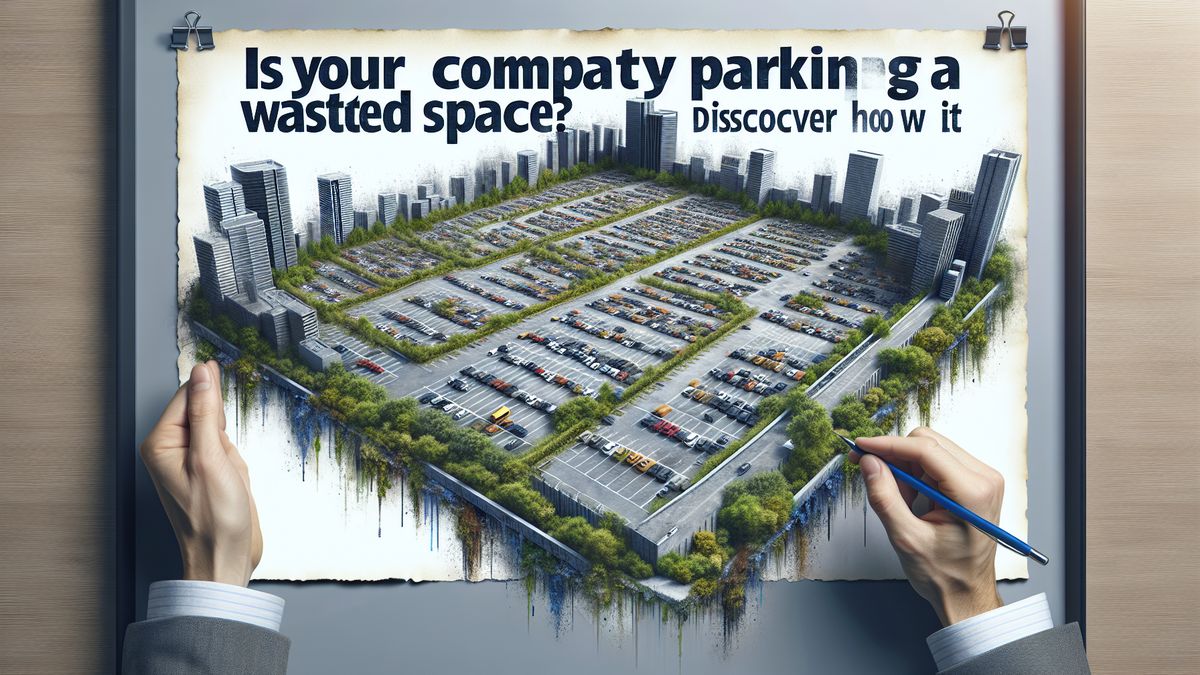
Is Your Company Parking a Waste of Space? Find out how to optimize it!
|
IN BRIEF
|
In a context where resource efficiency is essential for the sustainability of businesses, the question of space optimization arises acutely. The company car park, often perceived as a simple parking area, actually represents an under-exploited opportunity. Indeed, this type of space can become a real asset, offering varied solutions ranging from hosting shared vehicles to organizing events or charging activities for electric cars. In this article, we offer you concrete ideas for transforming your company parking lot into a multifunctional space, capable of meeting the changing needs of your organization while maximizing its use. Working towards this optimization is not just a question of space, it is also a way of improving the image of your company while contributing to a more sustainable environment.
Company parking lots often occupy a large and underutilized area. This article offers you solutions to transform this space into a multifunctional asset. Find out how to evaluate the current use of your parking lot, explore optimization possibilities such as carpooling or space modulation, and integrate modern technologies for efficient management.
Evaluation of Current Use
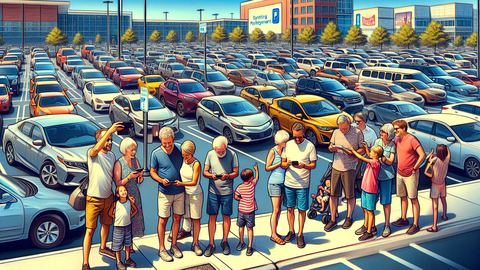
The first step to optimizing your parking lot is to understand how it is currently used. Start with a detailed analysis of parking space occupancy at different times of the day. Identify peak and trough periods, as well as the most and least used areas.
An audit of parking usage can reveal valuable information. Use tracking tools or manual surveys to collect data on how often and for how long vehicles are parked. This phase is essential for identifying optimization opportunities.
Encourage Carpooling and Alternative Transport
THE carpooling is an effective solution to reduce the number of parked vehicles. Encourage your employees to share their vehicle by setting up an internal networking platform. Offer incentives such as reserved parking spaces or bonuses for those who participate in carpooling.
Furthermore, promote the use of public transport or soft mobility solutions, such as cycling, can also help free up space in your parking lot. Install suitable infrastructure, such as secure bicycle shelters and showers, to encourage this practice.
| Issue | Solution |
| Unused spaces | Rearrange seating arrangements to maximize space |
| Lack of technology | Install an online reservation system to optimize occupancy |
| Limited access | Create more efficient access routes to streamline traffic |
| Unassigned parking | Set up assigned places according to employee needs |
| Poorly defined pedestrian zones | Improve signage to make traveling on foot safer |
| Insufficient capacity | Consider renting additional spaces or carpooling options |
- Optimization axis
- Evaluate current usage
- Identify periods of low occupancy
- Rearrange available space
- Set up reservation systems
- Encourage carpooling
- Integrate soft mobility solutions
- Optimize employee journeys
- Install charging stations for electric vehicles
- Analyze costs associated with parking
- Measure the impact of optimization on the business
Modulation of the Parking Space
Temporary and Shared Parking Lots
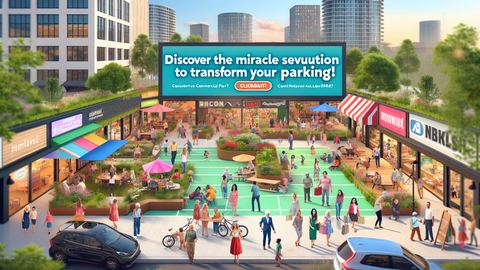
If your parking lot is underutilized at certain times of the day, consider converting it into temporary space for other activities. For example, you could dedicate part of your parking lot to farmers markets or to corporate events outside of normal working hours.
Another interesting concept is the use of shared parking lots. Collaborate with other businesses or even individuals to share use of your parking lot. For example, a business that primarily uses its parking lot during business hours might share it with a gym that needs spaces in the evenings and weekends.
Redevelopment with Modular Structures
Using modular structures to improve the layout of your parking lot can also be an effective solution. THE mechanical parking lots Or with floors allow you to increase the number of places without increasing the footprint. Although they require an initial investment, these devices significantly increase parking capacity.
Integration of Modern Technologies
Intelligent Management Systems
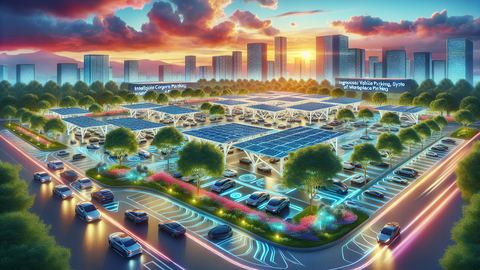
Technology can play a crucial role in optimizing your parking lot. Install a system intelligent management parking which uses sensors to track available spaces in real time. These systems can direct drivers to available spaces, reducing search time and increasing efficiency.
Additionally, data-driven parking management solutions will allow you to adjust parking policies based on trends and actual needs. Mobile applications linked to these systems provide employees and visitors with immediate visibility into availability, thereby facilitating their experience.
Online Payment and Reservation Solutions
Implement online payment solutions for visitors or employees who do not have reserved seats. This approach helps regulate usage and generate additional revenue. Online booking, for its part, ensures better planning and allocation of resources.
Reservation systems can be integrated with your company intranet or specific employee management applications, making the process convenient and transparent.
Use of Free Spaces for Other Functions
Nomadic Workspaces
Consider transforming a section of your parking lot into nomadic workspace. Set up coworking areas or temporary offices for mobile employees. This can be particularly useful during special events or when you have external visitors.
Simple amenities, such as tables, chairs and electrical outlets, can be enough to transform a few parking spaces into a functional and flexible workspace.
Leisure and Relaxation Areas
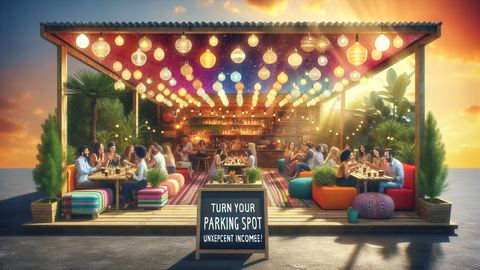
Another interesting use of parking spaces is the development of relaxation areas for your employees. Create green spaces, install benches and shaded areas where employees can relax during their breaks. These spaces improve overall well-being and increase job satisfaction.
Budget and Planning
Implementing these solutions requires careful planning and a suitable budget. Establish a detailed plan which includes an estimate of costs, deadlines and necessary resources. Involve stakeholders from the start to ensure good buy-in and avoid surprises along the way.
Finally, closely monitor the results obtained and adjust your practices based on feedback and data collected. Proactive and flexible management will be the key to success.
Frequently Asked Questions (FAQ)
A: Optimizing parking space makes it possible to maximize the use of available space, reduce costs related to the purchase or rental of new spaces, and improve the comfort of employees and visitors.
A: Poorly optimized parking can lead to traffic jams, a lack of available spaces, frustration among users and negative impacts on the company's image.
A: Ways to optimize parking include using space management technologies, rearranging parking spaces, encouraging carpooling and implementing alternative transportation solutions.
A: Yes, a parking reservation system helps guarantee employees a parking space, reducing stress and improving overall space efficiency.
A: Companies can encourage carpooling by offering incentives, such as reserved spaces for shared cars, or by setting up an internal matching platform for interested employees.
A: Green parking, including solutions such as electric vehicle charging stations and bicycle spaces, helps reduce the company's carbon footprint and promote sustainable transportation practices.