L'Inrae withdraws a controversial tweet described as “anti-meat” by the FNSEA
The National Research Institute for Agriculture, Food and the Environment (Inrae) had to remove a controversial tweet on vegetarianism, after the National Federation of Farmers' Unions (FNSEA) described it as '"anti-meat".
A message deemed “anti-meat” by the FNSEA
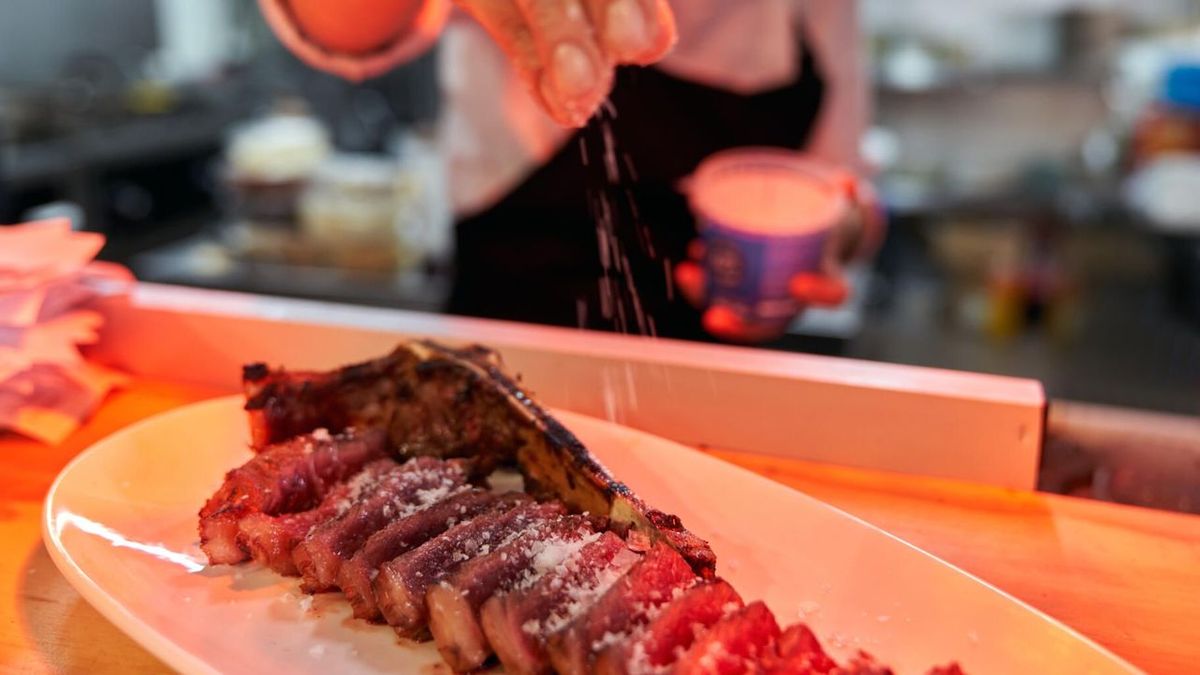
The tweet in question, posted on October 13, 2021, presented a debate around vegetarian diet and the impact of meat consumption on the climate. According to the FNSEA, INRAE thus failed in its mission of neutrality by promoting a meat-free diet, which angered French meat producers.
INRAE explains
Faced with this controversy, INRAE wanted to explain itself. The institute said its tweet was intended to promote dialogue and reflection on a current issue, and not to take a position for or against meat consumption.
“The role of Inrae is to provide elements of knowledge to inform the public debate, and not to take sides,” underlined the director of the institution in a press release.
Inrae, however, recognized that its message could have been misinterpreted and therefore, out of respect for French meat producers, decided to withdraw its tweet.
Respect for different modes of consumption at the heart of the debate
This incident highlights the existing tension between respecting different consumption patterns and the need to lead discussions on sustainable food practices. Inrae, like other research organizations, is on the front line in finding a balance between these two issues.
In conclusion, although INRAE has withdrawn its tweet, the institute has underlined its commitment to continuing to contribute to debates based on scientific facts, while respecting everyone's sensitivities. He also reaffirmed that the debate on food consumption patterns would remain at the heart of his concerns.