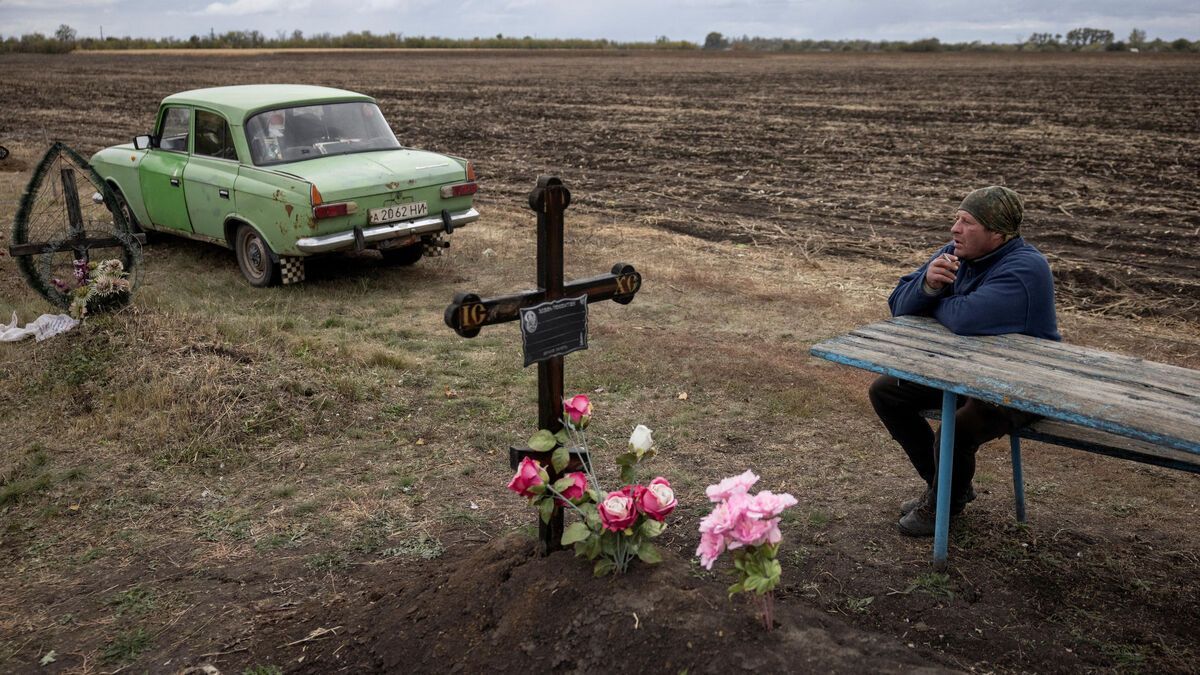
Russia applies to UN Human Rights Council amid Ukraine war
In a paradoxical and controversial situation, the Russia announced her candidacy to serve on the United Nations Human Rights Council amid ongoing accusations of human rights violations in the ongoing conflict in Ukraine.
A controversial candidacy
The Russian candidacy, which occurs in the current context of war in Ukraine, arouses numerous criticisms. Indeed, Russia is accused by several international NGOs and countries, including Ukraine, of systematic human rights violations in the context of the ongoing conflict, marked by extrajudicial executions, torture and arbitrary detentions. Some observers therefore see this candidacy as a way for Russia to counter criticism against it by positioning itself as an actor of respect for human rights.
The role of the UN Human Rights Council
The UN Human Rights Council is an intergovernmental body composed of 47 member states, with a mandate to strengthen the promotion and protection of human rights worldwide. It was created in 2006 to replace the UN Commission on Human Rights, which had been criticized for the presence within it of countries with poor human rights records.
Despite this, the body faces widespread criticism due to the participation of countries with controversial human rights records. Russia's candidacy therefore raises the question of the effectiveness and legitimacy of this body.
What future for the Russian candidacy?
To be elected to the Council, Russia will need the support of at least two-thirds of the 193 member states of the UN General Assembly, in a secret vote. It remains to be seen how UN member states will react to this candidacy, in the context of the war in Ukraine and the numerous accusations made against Russia in terms of human rights.
This candidacy once again highlights the complexity of political and diplomatic dynamics within major international institutions and the difficulty of reconciling universal humanitarian principles with geopolitical realities.