Implementation of new financial aid for the installation of a heat pump in 2023
Today, many owners and tenants are looking for sustainable and accessible solutions to reduce their energy consumption.
Faced with this growing demand, the government has decided to invest in the installation of heat pumps for the year 2023. But what exactly is the financial aid available and who can benefit from it?
In this article, let's discover together the amount of aid, the eligibility conditions and the measures put in place by the government to encourage greater energy saving.
What are the new financial assistance schemes for the installation of heat pumps in 2023?
The government has put in place financial aid intended for low-income households and landlord owners for the acquisition and installation of a heat pump. These devices are applicable regardless of the type of pump chosen (air/water, geothermal or aquathermal) and can cover up to 60% of the total cost of the work. These devices include in particular the renovation bonus, MAPrimerenov, the energy tax credit and the energy check.Who is eligible for aid and what conditions must be met?
To qualify for this aid, households must meet the following criteria:- be the owner of the accommodation or be the tenant of a lessor who agrees to carry out the work;
- have a tax income obtained over the 2 years preceding the year of the request lower than a certain ceiling according to several criteria.
What grants are available and what is the maximum grant amount?
THE financial aid available for the installation of a heat pump in 2023 are as follows:- There renovation bonus, which covers up to 30% of the total amount of work, is allocated in the form of an energy tax credit;
- MAPrimeRenov. Low-income households can benefit from an amount of up to up to 10,000 euros if the work for which they are requesting assistance concerns the installation or replacement of a air/water heat pump ;
- THE energy tax credit. All tax taxpayers can benefit from an energy tax credit for their renovation expenses andinstallation of heating systems superior performance compared to traditional systems;
- THE CEE (energy saving certificate). Tax households can benefit from energy saving certificates which provide a bonus of up to 30% of the total amount of work;
- The energy check. This is a financial device intended for low-income households to cover part of the expenses linked to energy renovation, including the installation of modern heating systems.
How does the tax credit system set up by the government work?
THE energy tax credit is a system which allows individuals to obtain financial support from the State for all energy renovation work carried out in their main home. This is a discount on theincome tax or tax exemption. Taxpayers can benefit from a tax credit ranging up to 30% of the cost of the work. This type of subsidy is accessible to households whose income is below the ceiling set by the State.Why install a heat pump rather than other alternative solutions?
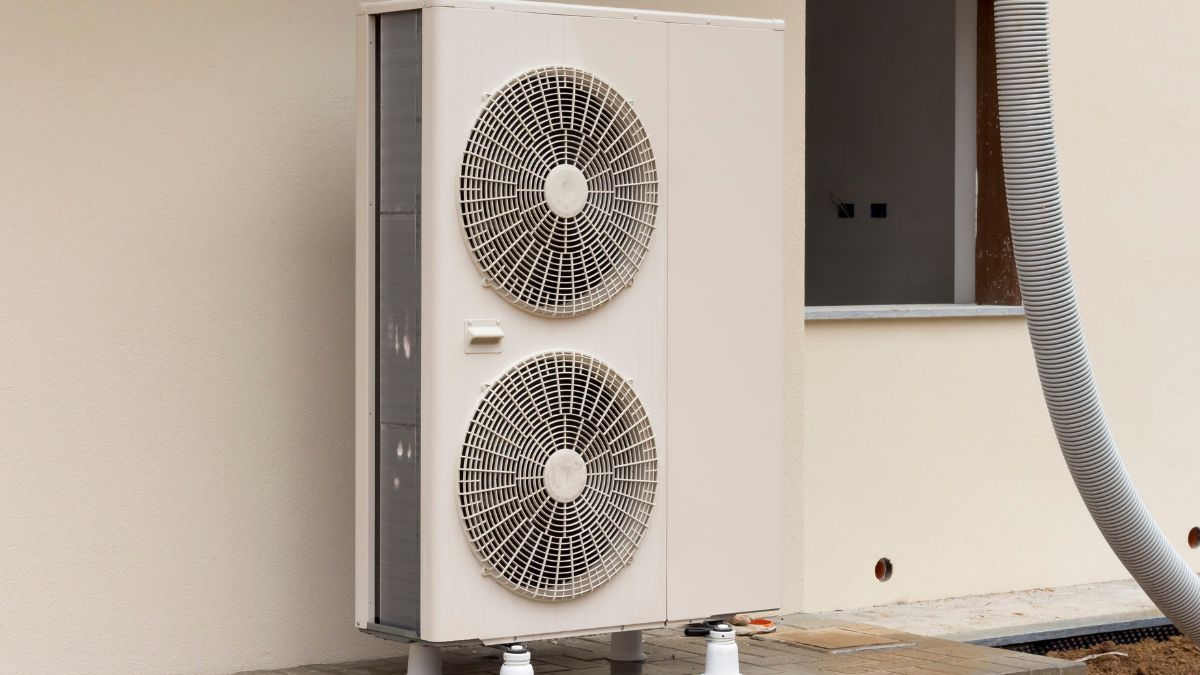
THE heat pumps represent an ideal solution for making significant savings on your annual bill and significantly reducing energy consumption. A heat pump is in fact very relevant for heating and cooling a home, with lower consumption than other alternative solutions such as the classic boiler, fireplace or reversible air conditioning. In addition, it can be coupled with photovoltaic panels to produce your own electricity and thus further reduce your expenses.What is the difference between air/water, geothermal or aquathermal ?
There are three main types of heat pumps:- the air/water heat pump which draws its thermal energy from the outside air to heat or cool a building;
- the geothermal heat pump which uses energy from deep within the earth for the same reason;
- there aquathermal heat pump which works with the use of a water source.