How to guarantee safety during your rodent control operations?
|
IN BRIEF
|
Pest control is an essential intervention to maintain the health of living and working spaces. However, it carries potential risks for human health and the environment if it is not carried out in compliance with safety standards. Guaranteeing safety during these interventions is essential to avoid accidents, poisoning or undesirable environmental impacts. This guide offers practices and recommendations to ensure effective rodent control while minimizing associated dangers.
Pest control is a necessary but potentially dangerous task. To ensure a safe intervention, it is essential to follow rigorous protocols and fully understand the associated risks. This article aims to detail best safety practices for rodent control interventions, covering personal protective equipment, chemical handling, trap management, and the importance of training and awareness. Follow these tips to maximize safety while succeeding in your rodent control operations.
Personal protective equipment (PPE)
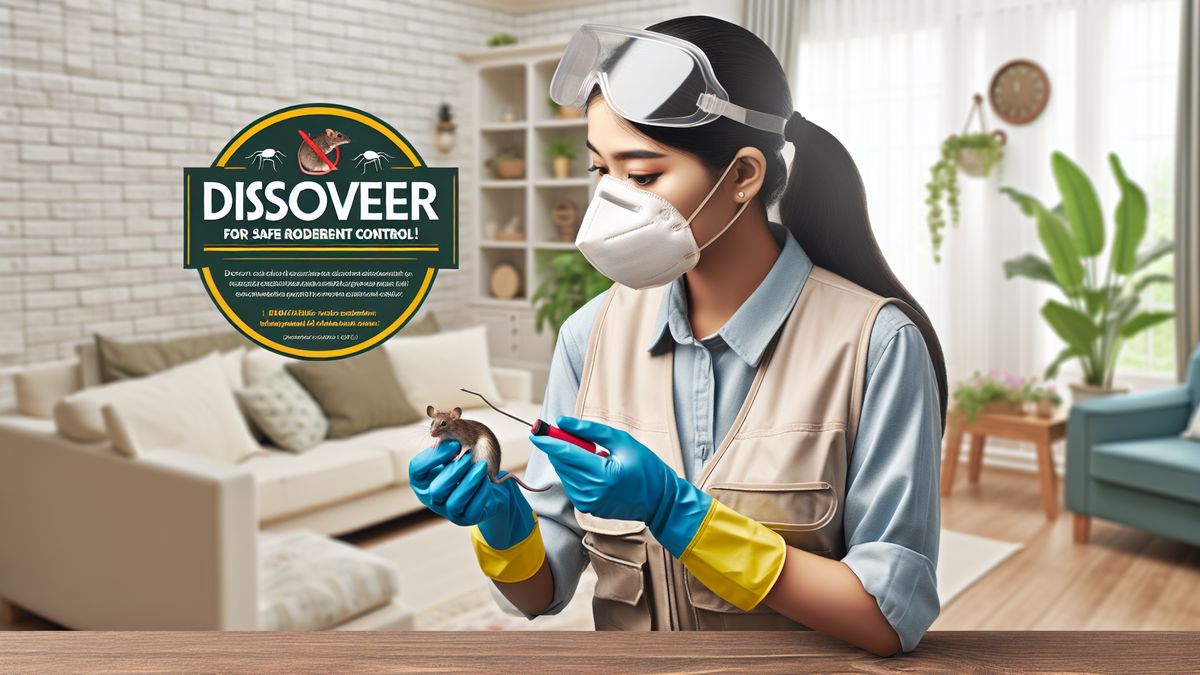
Personal protective equipment is fundamental to ensure the safety of operators during rodent control interventions. PPE aims to protect the worker against the specific risks associated with the use of chemicals and potential exposure to rodents. Must-have items include gloves, safety glasses, respirators and protective suits.
Gloves
Wearing gloves is essential to avoid direct contact with the chemicals used in rodent control. Gloves must be chemical resistant and thick enough to prevent punctures. It is recommended to opt for nitrile or neoprene gloves, which provide a better barrier against toxic substances.
Safety glasses
The eyes are particularly vulnerable when handling chemicals. Wearing safety glasses protects against splashes and harmful fumes. Choose full-coverage glasses that provide complete protection around the eyes.
Respiratory masks
Respiratory masks are essential to protect the respiratory tract from toxic vapors and suspended particles. A filter cartridge mask is recommended to guarantee optimal protection against the chemical substances used.
Protective suits
Protective suits must be worn to avoid any skin contact with chemicals and possible rodents. Disposable coveralls made from Tyvek or polyethylene are often used because they provide an effective barrier against contaminants while being easy to remove and dispose of.
Handling of chemicals
Chemicals used for rodent control can be extremely dangerous if not handled correctly. It is crucial to follow strict protocols to reduce the risk of poisoning, chemical burns and other accidents.
Chemical storage
Proper storage of chemicals is essential to avoid accidental leaks and contamination. Products should be kept in sealed, clearly labeled containers and stored in a dry, well-ventilated area out of direct sunlight. Additionally, these products should be kept out of reach of children and pets.
Preparation of chemical solutions
When preparing chemical solutions, it is important to strictly follow the manufacturer's instructions. Use appropriate measuring equipment and be sure to work in a well-ventilated space or, preferably, outdoors. Wearing a respiratory mask and safety glasses is particularly crucial during this step.
Application of chemicals
The application of chemicals must be carried out with extreme caution. Use appropriate tools to distribute substances evenly and avoid excessive application. Be sure to ventilate the treated area well and limit access to this area until the products have completely dried or dispersed.
Trap management
Trap management is another crucial component for successful rodent control. Traps should be handled with care to avoid accidental injury and to ensure effective rodent capture.
Positioning of traps
The positioning of traps is a determining factor in their effectiveness. Place traps in areas with high rodent traffic, such as wall runs, food storage areas, and near potential entry points. Make sure traps are out of reach of children and pets.
Types of traps
There are different types of traps, including mechanical traps, glue traps and bait traps. Each has its advantages and disadvantages in terms of safety and efficiency. Mechanical traps are often preferred for their ability to kill rodents quickly, while glue traps may pose additional risks of animal suffering.
Handling traps
When handling traps, it is crucial to wear gloves to avoid direct contact with rodents and chemicals that may be used. After capturing a rodent, dispose of it in a hygienic and safe manner. Clean and disinfect traps before reuse to avoid cross-contamination.
| Actions | Security measures |
| Site assessment | Inspect the areas to be treated to identify potential risks. |
| Protective equipment | Wear appropriate gloves, masks and safety glasses. |
| Use of products | Choose rodenticides that are safe and clearly labeled. |
| Occupant alert | Inform people nearby of planned interventions. |
| Waste management | Dispose of contaminated agents according to local regulations. |
| Staff training | Raise awareness and train stakeholders on potential dangers. |
- Risk assessment
- Identify the areas to be treated
- Protective equipment
- Use appropriate gloves and masks
- Secure products
- Choose rodenticides that comply with standards
- Staff training
- Train on good security practices
- Proper equipment
- Use certified traps and equipment
- Post-procedure monitoring
- Regularly check the treated areas
- Zone signage
- Indicate treated areas to the public
- Secure disposal
- Follow waste disposal protocols
Importance of training and awareness
Operator training and awareness are essential to guarantee safe rodent control operations. Even the best equipment and products cannot replace thorough knowledge of procedures and associated risks.
Initial training
Rigorous initial training is essential for any new operator. This training should cover the basics of rodent biology, the types of products and traps available, and the safety protocols to follow. Operators must also be trained to recognize signs of the presence of rodents and to use personal protective equipment.
Continuing education
Continuing training allows operators to stay up to date on the latest advances in rodent control and safety. Regular workshops, online training sessions and professional conferences can help maintain a high level of competence and alertness.
Security Awareness
Security awareness must be a constant priority. Regular reminders about safety protocols, work area displays, and team discussions can help reinforce the importance of safety. Encouraging a safety culture where each team member is responsible for their own well-being and that of their colleagues can significantly reduce risk.
Communication and documentation
Good communication and documentation are also essential for safe pest control operations. These elements help to track operations, identify potential problems and ensure that all procedures are followed.
Logbook
Keeping a detailed log of pest control operations is a good practice. This log should include information on the areas treated, the products used, the quantities applied and the results observed. It can also help to identify trends and plan future interventions.
Team Communication
Team communication is crucial for coordination and safety. Use effective means of communication, such as radios or mobile phones, to stay in contact at all times. Immediately inform the team of any dangerous situations or problems encountered during the intervention.
Post-intervention reports
Writing post-intervention reports allows you to evaluate the effectiveness of the actions taken and to decline lessons learned. These reports should be shared with the entire team to improve practices and avoid future errors.
Planning interventions
Careful planning of interventions is essential to ensure the safety and effectiveness of rodent control operations. This planning must include a risk assessment, equipment preparation and a clear strategy for action.
Risk assessment
Risk assessment is the first step in any rodent control intervention. This assessment should identify potential hazards associated with the task, such as difficult access to certain areas, the presence of hazardous chemicals and the risk of exposure to rodents. Once the risks have been identified, adequate prevention measures must be put in place.
Preparation of equipment
Next, preparing the equipment is crucial. Make sure all necessary equipment is in good working order and easily accessible. This includes PPE, chemicals, traps and communication tools. Also check that all operators know how to use each piece of equipment correctly.
Action strategy
A well-defined action strategy helps structure the intervention and minimize risks. This strategy must include a detailed plan of the steps to follow, the distribution of roles and responsibilities, and a precise timetable. Make sure all team members understand and follow this plan to avoid mistakes and accidents.
Monitoring and follow-up after the intervention
Surveillance and follow-up after a rodent control intervention are also crucial to ensure the safety and efficiency of operations. Continuous monitoring makes it possible to quickly detect any return of rodents or any safety problems.
Regular inspection
Carry out regular inspections of treated areas to verify the absence of rodents and the effectiveness of rodent control measures. These inspections should include checking traps, monitoring for signs of rodents and assessing the condition of chemicals used.
Equipment maintenance
Regular maintenance of equipment is essential to ensure proper functioning. Regularly clean and disinfect traps, replace expired chemicals, and check PPE for signs of wear and damage. Proper maintenance extends the life of equipment and ensures its effectiveness.
Monitoring Report
Write detailed monitoring reports to document inspections and actions taken. These reports can help identify trends and adjust pest control strategies accordingly. Share these reports with the entire team to inform and improve future practices.
Responsibility and Ethics
Responsibility and ethics play a crucial role in pest control interventions. By acting responsibly and ethically, operators can minimize negative impacts on the environment and public health.
Responsible Use of Chemicals
Responsible use of chemicals means strictly following current regulations and minimizing the use of toxic substances. Opt for environmentally friendly products whenever possible, and never use more products than necessary.
Respect for local wildlife
Pest control should be carried out in a way that minimizes the impact on local wildlife. Avoid methods that may harm non-target species and favor non-lethal solutions whenever possible. Respect for local biodiversity is essential to maintain an ecological balance.
Transparency and communication with the public
Transparency and communication with the public are also important. Inform residents and local businesses of planned interventions and safety measures in place. Answer their questions and concerns clearly and honestly to build trust and reduce apprehension.
By following these tips and adopting strict safety practices, you can ensure effective and safe rodent control operations. Safety must always be the priority, both for operators and for the community and the environment.
Frequently Asked Questions
It is important to check the professional's certifications and insurance, as well as their customer references.
It is recommended to wear gloves, a mask and protective glasses during rodent control operations.
Before the intervention, it is crucial to inform the occupants of the premises and assess the risk areas to minimize the dangers.
Opt for approved products that meet public health safety standards.
It is advisable to keep pets away when applying pest control products and to ensure that the treated areas are inaccessible until they are completely dry.
After the procedure, check the treated areas and wait the recommended time before returning to the premises and cleaning.
Waste should be placed in sealed bags and disposed of according to local hazardous waste regulations.