Noise from ships, offshore sites, drilling… How noise pollution threatens marine species
Our planet's oceans provide a habitat for fascinating and complex marine life. However, these creatures face many challenges, not the least of which is an invisible threat – noise pollution. The sound of ships, offshore sites and oil and gas drilling are among the main contributors to this noise pollution.
Underwater Noise: an Invisible Pollutant
Underwater life depends on hearing for tracking, foraging, predator avoidance, communication and navigation. Unfortunately, sounds produced by human activities, such as the drilling and maritime traffic, can disrupt these vital processes.
How Human Activities Cause Noise Nuisance
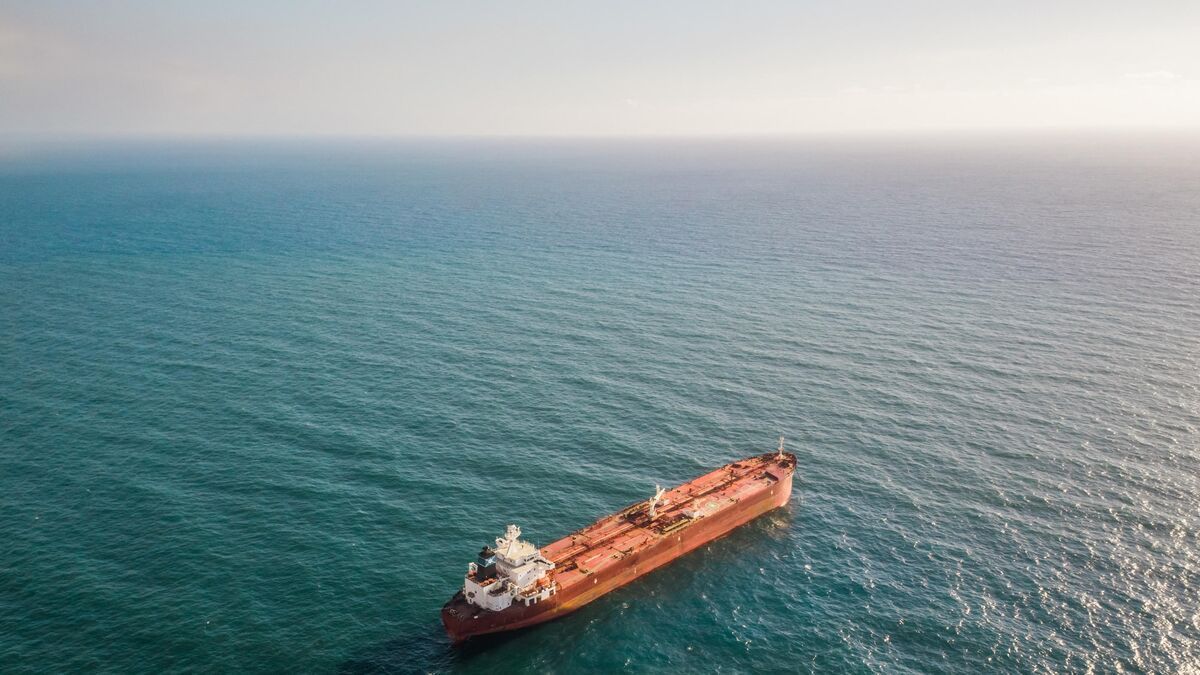
Much of the noise pollution in the ocean is caused by shipping. THE ships produce a large amount of noise, mainly through cavitation noise produced by propellers, which can be heard over great distances underwater.
On the other hand, offshore exploitation activities, such as the drilling and seismic surveys, also produce high levels of noise. The devices used for these activities produce very loud sounds that can disturb or even injure marine animals.
Impacts of Noise Pollution on Marine Species
Noise pollution can have a variety of negative effects on marine life. It can cause stress, disrupt essential behaviors like feeding and reproduction, and interfere with communication systems commonly used by many marine species.
Whales and dolphins, which rely heavily on acoustics to communicate and navigate, are particularly vulnerable to noise pollution. Studies have shown that loud noise can cause hearing damage in these animals, which can make them confused and disoriented.
Reduction of Noise Pollution: A Necessity for the Preservation of Marine Species
It is imperative that we take action to reduce the level of noise pollution in our oceans. This could involve implementing better practices to reduce vessel noise, more closely monitoring offshore drilling and mining activities, and conducting more research to understand and mitigate impacts on marine species.
Preserving our marine ecosystems is a shared responsibility and requires cooperation and action from all parties involved. With true awareness and a commitment to action, we can help mitigate the effects of noise pollution on our precious marine species.