Everything you need to know about the operation and maintenance of the EGR valve
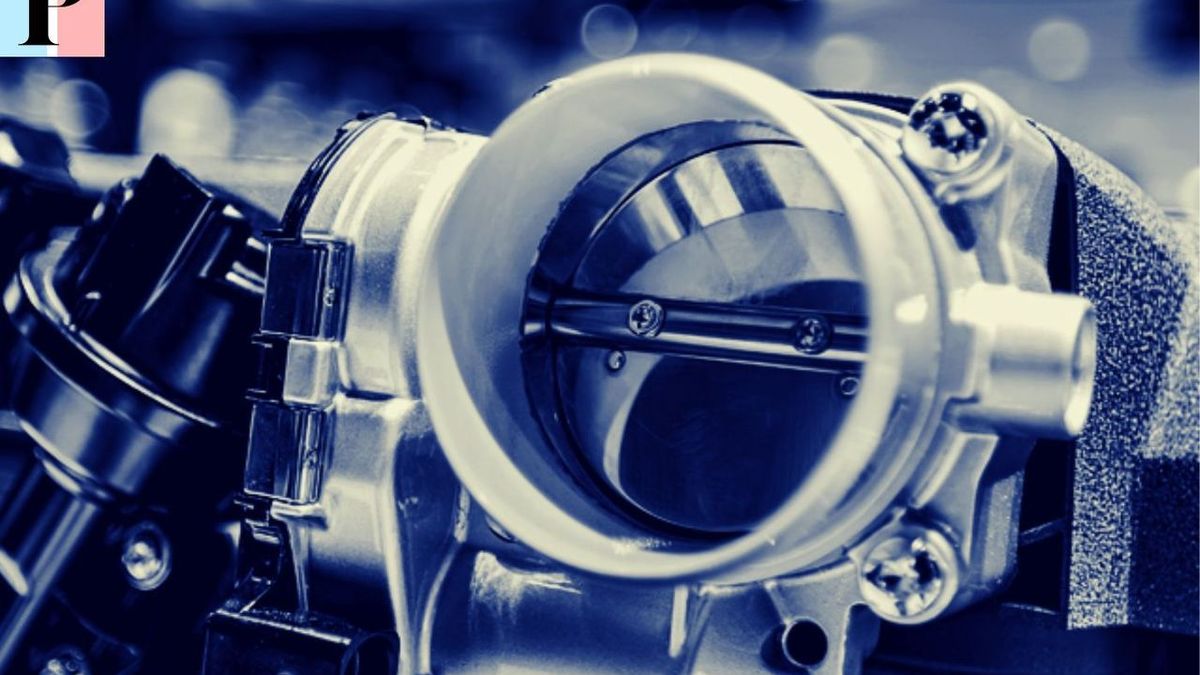
There EGR valve, or exhaust gas recirculation valve, is an important part of your car's emissions system. Its role is essential in reducing polluting emissions from the vehicle by reducing the combustion temperature in the engine.
However, this part can also be subject to problems and clogging which could affect the proper functioning of your car.
In this article, we will explain the operation of the EGR valve, how to avoid its clogging, as well as the symptoms and costs associated with its breakdown.
Read also: Operation of an EGR valve on diesel and gasoline engines
How the EGR valve works
There EGR valve aims to reintroduce part of the exhaust gases into the engine's air intake circuit. This creates a mixture less rich in oxygen and therefore reduces the combustion temperature. This drop in temperature leads to a significant reduction in NOx emissions (nitrogen oxides), responsible for the formation of fine particles and smog in the atmosphere.There are several types of EGR valves, including:-
- The electric EGR valve: it is controlled by the engine computer using an electric motor. -
- The pneumatic EGR valve: it is actuated by vacuum using an electromagnet and a diaphragm. -
- The mechanical EGR valve: it is directly linked to the pressure of the exhaust gases.
Car EGR: gasoline or diesel?
The system at EGR valve is mainly used on Diesel engines, because the latter generally produce more nitrogen oxides than gasoline engines. However, some modern petrol engines are also equipped with an EGR valve in order to comply with increasingly strict anti-pollution standards. Read also: EGR valve: tips and tricks on this important element of your carHow to avoid clogging of the EGR valve?
The clogging of the EGR valve is a common problem, especially on Diesel engines. Indeed, particles contained in the exhaust gases can accumulate on the valve and in the intake tract, which can cause the system to malfunction.To avoid this, it is recommended to adopt some good practices:
- 1. Drive regularly on the motorway: traveling at high speed helps to “clean” the engine and the EGR by promoting better evacuation of particles.
- 2. Use an EGR cleaning additive: these products are intended to dissolve deposits accumulated on the valve and make their removal easier.
- 3. Avoid frequent cold starts: when the engine is cold, combustion is less complete and produces more particles. By multiplying cold starts, you increase the risk of clogging the EGR valve.
- 4. Have the EGR valve checked and cleaned by a professional during periodic maintenance of your vehicle.
Symptoms of a Faulty EGR Valve
A dysfunction of the EGR valve can cause various problems on your car. Here are some symptoms that may indicate a problem with this part:- - Loss of engine power
- - Excessive fuel consumption
- - Unstable idling or engine stalling
- - Black smoke from the exhaust
- - Engine light on on the dashboard