The rise in tensions between Hezbollah And Tel Aviv
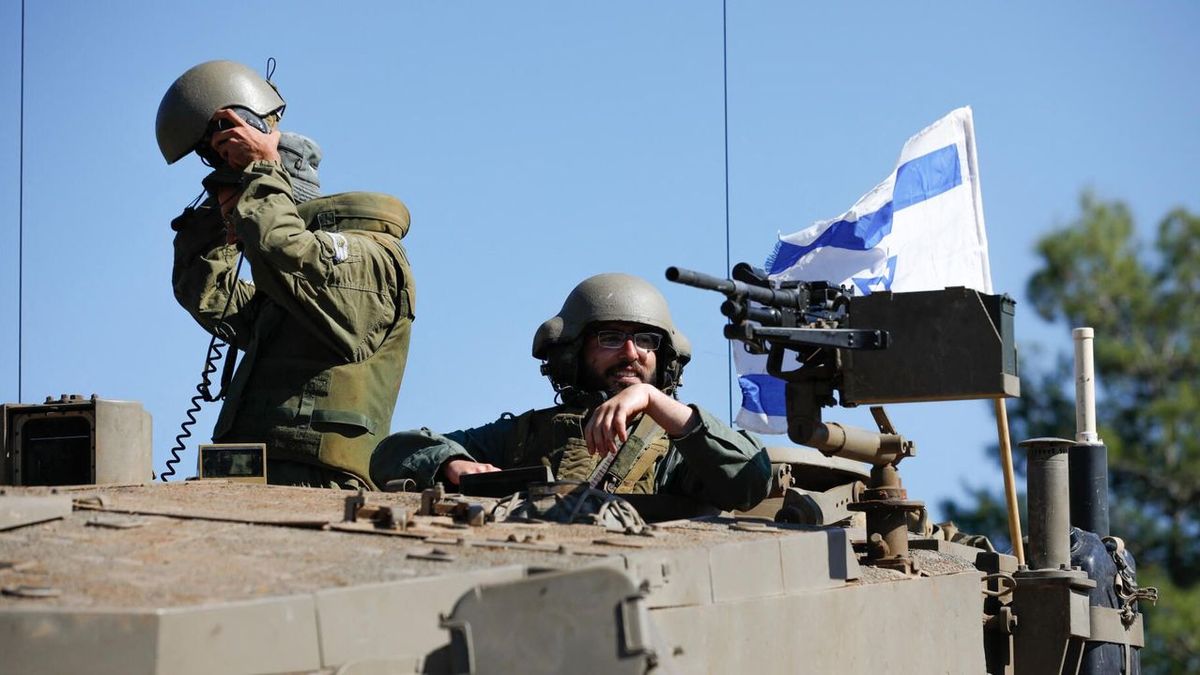
The verbal escalation between the Lebanese Shiite movement Hezbollah and Israel, the historic conflict, has reached a peak recently with direct threats of war, reflecting existing tensions.
At the crossroads of international conflicts
The conflict between the Hezbollah And Tel Aviv cannot be understood without taking into account the complex political context of the Middle East. The interplay between the continuing war in Syria and the growing animosity between Iran and Saudi Arabia is pushing back the Hezbollah and Israel towards a new confrontation.
A verbal confrontation full of threats
In an already tense climate, the leader of Hezbollah, Hassan Nasrallah, recently launched new threats against Israel. He warned that his movement was ready to go to war against Tel Aviv. In response, the Israeli Prime Minister emphasized his country's determination to defend itself and noted that the Hezbollah “play with fire”.
A volatile situation on the ground
This is not just a war of words. On the ground, the situation also showed signs of escalation. Last month, Israeli planes targeted a facility in Hezbollah in Syria, which led to a response from the Shiite group pushing the situation towards more intense violence.
The consequences for Lebanon and the region
Another war between Hezbollah And Tel Aviv could have catastrophic consequences for Lebanon, already struggling with an unprecedented economic crisis, and for the entire region. The stakes are therefore considerable.
The growing discourse on both sides only adds fuel to the fire. Only reasonable diplomatic intervention, probably through the United Nations, can mitigate this risk.
Conclusion
The growth of hostility between Hezbollah And Tel Aviv is a major concern for the stability of the region and even for global security. The international community must closely monitor the situation and do everything in its power to encourage de-escalation. Peace is a goal that it is up to all of us to pursue.