Choosing champagne for the end of year celebrations: What to know?
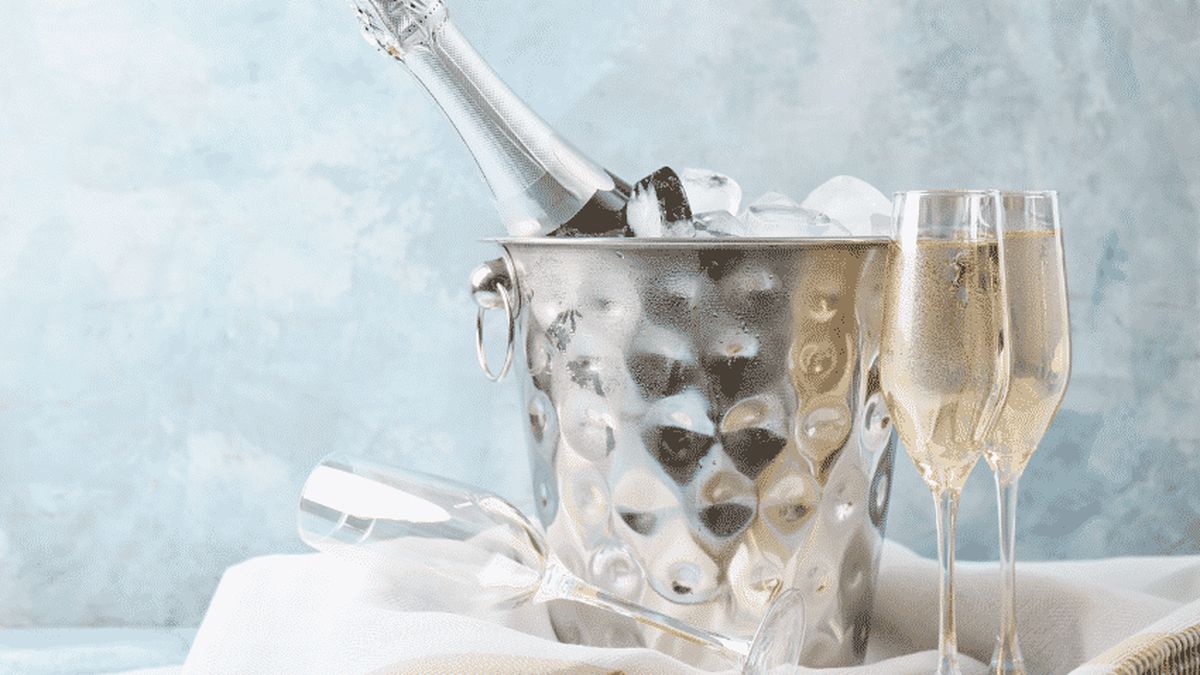
The arrival of the end of the year comes with the preparation of celebrations and gatherings with friends and family. Whether by tradition or superstition, this time of year is full of rites of passage and symbolism. Among these rites, there is this custom of opening the Champagne of the New Year which is observed in several families around the world. But the variety of wines is extremely wide and many possibilities are available to families during the end-of-year celebrations.
Choice of champagne: what dosage and refinement?
The term brut which gives its name to more than 90% of Champagne refers to a dosage method. This is simply the particularity that Champagne acquires at the end of vinification, when the dosage is carried out. In other words, it is the addition of the touch of sugar necessary for the perfect expression of aromas. This touch of sugar, different depending on the wine, makes it possible to establish a Champagne scale, from least sweet to most sweet. Thus, we speak among other things:- sweet champagnes with 50 or more grams of sugar;
- semi-dry champagnes with 32 and 50 grams per liter;
- brut champagnes with 6 and 12 grams of sugar.
Colors: white? roses? others ?
Not all champagnes are the same color. From pale yellow to golden green, from lunar yellow to pink, from white to intense yellow, all shades are offered to the eye. But the color of the wine is determined by the blend and its personality: a light wine is clear, a more powerful wine tends towards more intense nuances.
For example, Champagnes Rosés are usually the result ofassemblies of white wines with a still red wine. This color range varies from soft pink to dark pink, while the flavor varies from very light to very structured.
Furthermore, the character of a wine is always accentuated in the case of blends and single varietals:- A blanc de blanc champagne is made from white grapes only.
- A blanc de noirs champagne is only produced with red or black grapes, with white juice. This name is reserved for wines made exclusively from pinot noir or pinot meunier grape varieties or both in blending.
And what about vintages?
In Champagne, tradition dictates that wines from different vintages are assembled. At the time of assembly, the processor creates the harmony that reflects his vision of what Champagne should be, thanks to the variety of wines he has available. Variety of wines and vines, but also of vintages. Non-vintage assembly therefore allows the expression and perpetuation of a brand's style. In certain cases, blended wines all belong to a single vintage, which is called vintage champagne. A vintage Champagne will always be a wine of character, distinguished by the year of production.Articles similaires

Lifestyle
Finding love through dating sites
Lifestyle