The public deficit on the rise: According to Bruno Le Maire, the end of inflation is to be pointed out
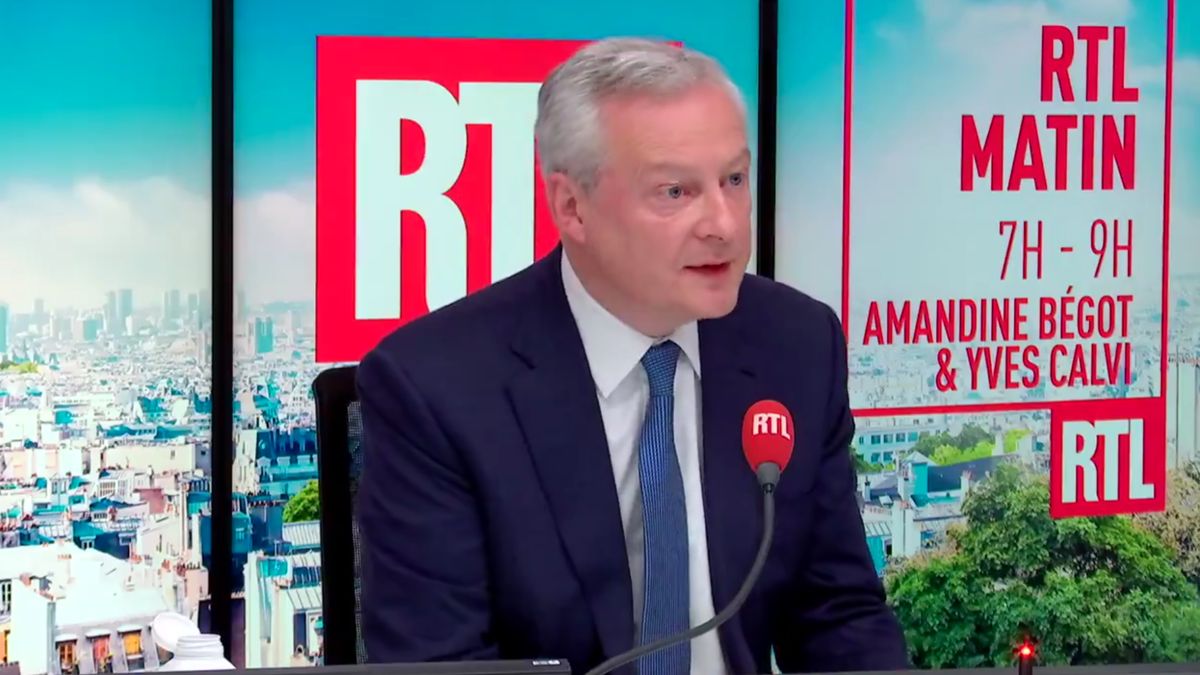
In a global economy with many uncertainties, Bruno Le Maire, the French Minister of Economy and Finance, speaks of lagging economic growth. One of the main culprits according to him: the return of almost zero inflation. This situation has a major consequence, the increase in public deficit.
End of inflation: a culprit according to Bruno Le Maire
France recorded almost zero inflation in 2019, a phenomenon not seen for several years. This situation poses a major problem: it limits the levels of tax revenue. And it is essentially the revenues from Value Added Tax (VAT) which are singled out by Bruno Le Maire.
“Historically, inflation has always allowed public finances to have significant room for maneuver,” recalls the minister. “The end of inflation is taking away part of the State's revenues, notably VAT revenues,” he confided during a speech at the National Assembly.
The double perverse effect of the end of inflation
The end of inflation has a double perverse effect, adds the minister. On the one hand, it limits tax revenues via VAT. On the other hand, it creates a risk of stagnation in the economy, and therefore of a decline in business investment. “It’s a drag on economic activity, which further limits money coming in,” emphasizes Bruno Le Maire.
Towards an increase in the public deficit
As a result, the public deficit could well increase more than expected. Lower tax revenues, combined with growth that is struggling to take off, constitute a potentially explosive cocktail for public finances. The end of inflation thus directly impacts the public deficit, hence its expected increase.
It therefore seems urgent for the government to find new avenues to stimulate growth and compensate for the deficit. A not so simple task in a context marked by many economic uncertainties. These avenues could notably involve tax incentives or judicious public investments to revive the economy.