Brazilian Supreme Court orders suspension of social network X ofElon Musk throughout the territory
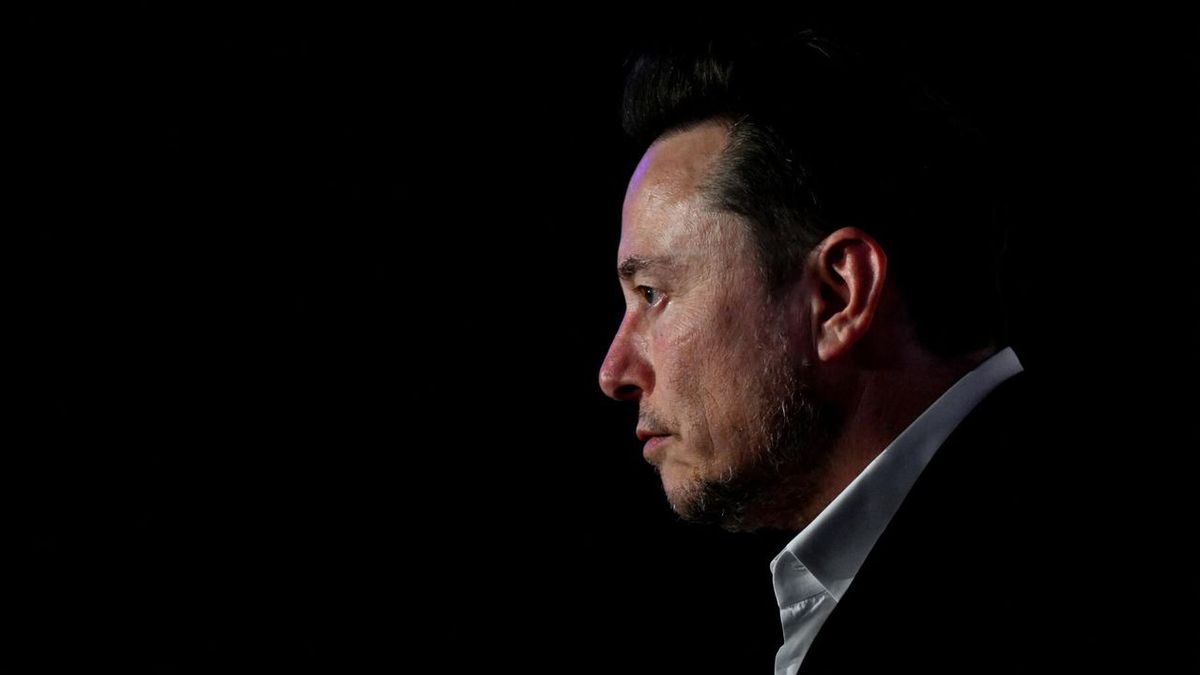
Due to an unprecedented ruling, the social network X of the famous entrepreneur Elon Musk has been suspended throughout Brazil. This decision comes from the Supreme Court of Brazil, which declared that this digital platform violated national regulatory principles.
The context of the Supreme Court decision
The decision of the Brazilian Supreme Court comes amid growing criticism of the social network's content moderation policies X. Several civil society organizations have expressed concern about the ease with which hate speech and fake news can be spread on this platform. Consequently, the Court ruled in favor of the suspension of X until appropriate measures are put in place to resolve these issues.
Elon Musk's response and the implications for X
The founder and CEO of the social network, Elon Musk, was quick to react to the suspension of its platform in Brazil. In a statement, he expressed his disappointment with the Court's decision, while reaffirming his commitment to working with regulators to ensure compliance with local guidelines. However, this suspension could have an influence on the future success of X in this country.
Impact of the suspension on Brazilian users
The sudden suspension of X left his Brazilian users without access to a platform that they used to connect with the whole world. Many Brazilians expressed their frustration on other social networks. Some fear the move could open the door to broader internet censorship in Brazil.
The Brazilian Supreme Court has not specified how long the suspension of Elon Musk's social network will last. In the meantime, Brazilian users will have to turn to other platforms to share their thoughts and ideas online.
The social media landscape in Brazil following this decision
This event disrupts the social media landscape in Brazil. Other companies may fear suffering the same fate if they fail to adequately monitor the content distributed on their platforms. However, some observers believe the move could lead to an improvement in the quality of content shared on social media, favoring the spread of real information rather than hate speech or fake news. Only the future will be able to confirm or refute these hypotheses.