Are you sure you know all the secrets to easily optimize your DPE?

|
IN BRIEF
|
Understanding the basics of the EPC
The Energy Performance Certificate, or EPC, is an assessment of a building's energy consumption as well as its impact in terms of greenhouse gas emissions. It results in a performance label ranging from A to G, with A being the best energy performance.
Why is the EPC important?
A good DPE can increase the value of your property, reduce your energy bills and help protect the environment. By optimizing your DPE, you ensure not only financial savings but also a positive impact on the ecosystem.
The DPE evaluation criteria
The main criteria taken into account when establishing a DPE include thermal insulation, the type of heating and energy used, as well as hot water production equipment. The performance of windows, doors and ventilation systems also plays a crucial role.
Analyze the Insulation of your Home
Importance of thermal insulation
One of the main causes of energy loss in a building is poor insulation. High-quality insulation can greatly improve your DPE. This includes insulation of walls, roofs and floors. Insulating materials must meet current standards to guarantee good energy performance.
Improve wall insulation
By opting for effective insulating materials, you can reduce heat loss through the walls. Expanded polystyrene, rock wool and glass wool are among the most common solutions.
Insulate attics and roofs
Much of the heat in a house can escape through the roof. It is therefore essential to ensure good insulation of the attic, whether converted or not. Use materials such as cellulose wadding or mineral wool for optimal insulation.
Floor insulation
Proper floor insulation can also help improve your DPE. Floors over crawl spaces or basements can be insulated with rigid panels, rolls or bulk materials.
Optimization of Heating Systems
Choosing the right heating system
The choice of heating system has a significant impact on your DPE. The most efficient heating systems include condensing boilers, heat pumps and solar thermal systems. Opting for efficient heating allows you to reduce your energy consumption.
Regular maintenance of heating systems
Regular maintenance of heating systems can also optimize your DPE. Have your equipment checked by professionals to ensure it is functioning optimally. Poorly maintained heating can lead to excessive energy consumption.
Use of renewable energies
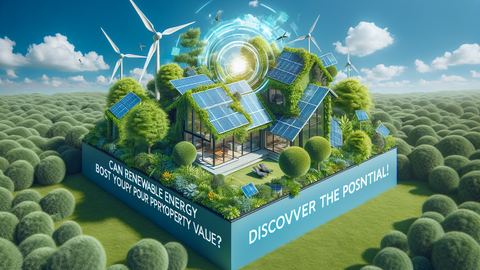
Adopting renewable energy is a great way to improve your ECD. The installation of photovoltaic solar panels, solar thermal collectors or the use of biomass for heating can greatly positively influence your energy diagnosis.
Improving Hot Water Production Equipment
High-performance equipment
Hot water production equipment, such as water heaters and thermodynamic tanks, consume a lot of energy. Replacing old equipment with newer, more efficient models can drastically improve your DPE.
Insulation of hot water distribution systems
Hot water pipes must be well insulated to avoid heat loss. Use suitable insulating materials for pipes and hot water tanks to maintain efficient distribution.
Optimization axis
Concise description
| Thermal insulation | Improving wall and roof insulation reduces heat loss. |
| Heating system | Choosing an efficient heating appliance reduces energy consumption. |
| Ventilation | Good ventilation ensures healthy air without energy loss. |
| Renewable energies | Installing solar panels or a heat pump optimizes the DPE. |
| Household appliances | Using high energy class equipment helps reduce consumption. |
| Understanding energy labels | Effective attic insulation |
- Optimization of central heating
- Use of renewable energy
- Improvement of windows and doors
- Indoor humidity control
- Efficient ventilation system
- Regular maintenance of devices
- Assessment of energy bills
- Investment in low consumption equipment
- Ventilation Optimization
- Ventilate without losing heat
Effective ventilation is crucial for good DPE, but it must be managed to limit heat loss. Double-flow controlled mechanical ventilation (VMC) systems recover heat from the exhaust air to reinject it into the incoming air.
Double flow VMC
The installation of a double flow VMC can improve thermal comfort while optimizing DPE. It allows optimal regulation of incoming and outgoing air, thus reducing heating needs.
Ventilation maintenance
Proper maintenance of ventilation systems is essential to guarantee their effectiveness. Clean the filters regularly and make sure the ducts are not blocked for optimal operation.
Upgrade Windows and Doors
Impact of windows on DPE
Windows play a key role in the energy performance of a building. Poorly insulated windows can be responsible for significant heat loss. Opt for double or triple glazed windows for better thermal insulation.
Installation of insulating shutters
Insulating shutters can also contribute to the energy performance of your home. They help limit heat loss during the night and during cold periods.
Door sealing
Make sure your exterior doors are properly sealed. Installing seals and door sills can greatly reduce air infiltration and thus improve your DPE.
Use of Ecological Materials and Products
Choosing ecological materials
Using eco-friendly materials can not only improve your ECD, but also make your home more environmentally friendly. Materials like wood, hemp or cork are excellent options for sustainable construction or renovation.
Optimize the use of natural light
Maximizing the use of natural light in your home can reduce your need for artificial lighting and thus improve your ECD. Install large windows, skylights or use reflective materials to increase natural light.
Eco-friendly paints and coatings
Ecological paints and coatings not only improve indoor air quality but also contribute to better thermal regulation. Choose low-emissivity products to minimize pollutants and optimize energy performance.
Regular Controls and Evaluations
Periodic assessment of energy performance
It is essential to regularly measure the energy performance of your home to identify areas for improvement. Have energy audits carried out every few years to stay informed about the state of your DPE.
Use of thermographic diagnostics
Thermographic diagnostics can reveal insulation defects invisible to the naked eye. Use thermal cameras to detect areas of heat loss and take appropriate action to remedy them.
Call on professionals
Consult energy efficiency experts for personalized advice and solutions tailored to your situation. Professionals can guide you in implementing ECD optimization strategies.
Use of Home Automation
Automated energy control
Home automation provides intelligent, automated control of your home’s energy systems. Installing connected thermostats, occupancy sensors and automatic controllers can significantly reduce energy consumption.
Lighting optimization
Home automation systems can automatically manage your lighting based on room occupancy and available natural light, helping to improve your DPE.
Intelligent heating and ventilation management
Home automation also allows optimized management of heating and ventilation. Connected systems can adjust temperature and airflow according to actual needs, thereby reducing energy waste.
Obtain Subsidies and Financial Aid
National aid
Numerous grants and financial assistance are available for owners wishing to improve their DPE. Take advantage of tax credits, zero-interest eco-loans and subsidies from the National Housing Agency (ANAH) to finance your work.
Local aid
Also find out about local aid available in your area. Local authorities often offer subsidies for improving the energy performance of housing.
European programs and initiatives
Programs such as the European Union Energy Efficiency and Innovation Fund can also provide funding for projects aimed at improving ECD.
Awareness and Personal Engagement
Adopt eco-responsible behavior
Raising awareness among the occupants of your home about saving energy is essential. Adopting eco-responsible habits, such as turning off devices on standby, lowering the thermostat and optimizing the use of household appliances, can optimize DPE.
Training and information
Learn about best energy saving practices. Participate in workshops, consult guides and join discussion groups to exchange practical and effective advice on improving ECD.
By following the steps and advice mentioned above, you will be able to easily optimize your Energy Performance Diagnosis. Better energy performance in your home not only leads to substantial savings but also a positive contribution to environmental protection. Adopt these measures today for a more eco-responsible and efficient home.
ECD Optimization FAQ
A: The DPE, or Energy Performance Diagnosis, is a document which evaluates the energy consumption and the impact in terms of greenhouse gas emissions of a home.
A: Optimizing your DPE not only reduces energy bills, but also improves the thermal comfort of your home and increases its value on the real estate market.
A: Key measures include insulating walls and attics, replacing windows with double-glazed models, and using more efficient heating systems.
A: Insulation work, replacement of old boilers, and the installation of renewable energy production systems, such as solar panels, are often eligible for financial aid.
A: Yes, a DPE must be carried out by a certified professional in order to guarantee the accuracy of the diagnosis and to comply with current regulations.
A: The DPE must be carried out when selling or renting a property, and it is recommended to update it every 10 years or after significant work.
A: A poor DPE can make a property less attractive to potential buyers or tenants, and can also lead to obligations for energy renovation work in certain situations.
https://www.youtube.com/watch?v=Q2Xqnhup-Zo