Dealing with France's isolation: A danger for French agriculture according to Bruno Le Maire
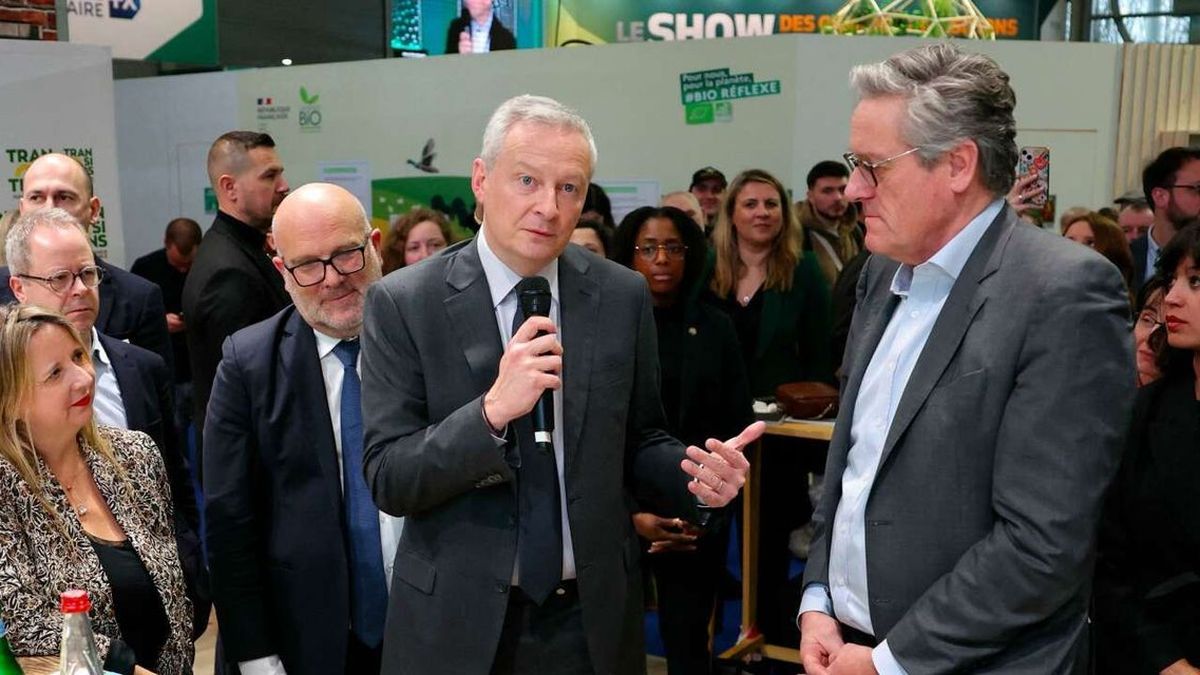
During a recent public debate, the French Minister of Economy and Finance, Bruno Le Maire , made a strong and sincere statement: “All those who advocate the isolation of France (..) are killing French agriculture”. His position is clear: closing the country, economically and politically, would mean the end of the progress made so far in French agriculture.
Crisis of protectionism
The declaration of Bruno Le Maire comes at a time when France, along with other economies around the world, faces a rise in protectionism. Under the pretext of protecting their national industries, some choose a form of economic isolationism as a strategy. Nevertheless, agriculture, regardless of labor, remains dependent on foreign trade: climate, technology, the supply of raw materials, among others, are key elements that require opening up to other countries.
Impact on French agriculture
French agriculture, which occupies a preponderant place in the national and European economic landscape, would be the first to suffer from this deterioration of external commercial relations. Foreign markets are a major source of income for many farmers. Protectionism and the desire to close in on oneself are therefore synonymous with substantial losses for them.
Call for opening
Bruno Le Maire expressed his concern about this situation, as well as a strong desire to stimulate global cooperation rather than withdrawal. For him, it is essential that France is able to exploit its agricultural potential to the maximum, which requires maintaining unhindered access to international markets.
With this declaration, Bruno Le Maire wanted to make an impression, by affirming that the confinement of France is not a viable solution for the future. On the contrary, he envisions an open France that recognizes the importance of global trade for the country's agricultural sector. What emerges from these remarks is an incentive for international solidarity, not only in the agricultural field, but more generally for the world economy.