
1.75 billion year old fossil discovered in Australia: new insights into the origin of terrestrial oxygen
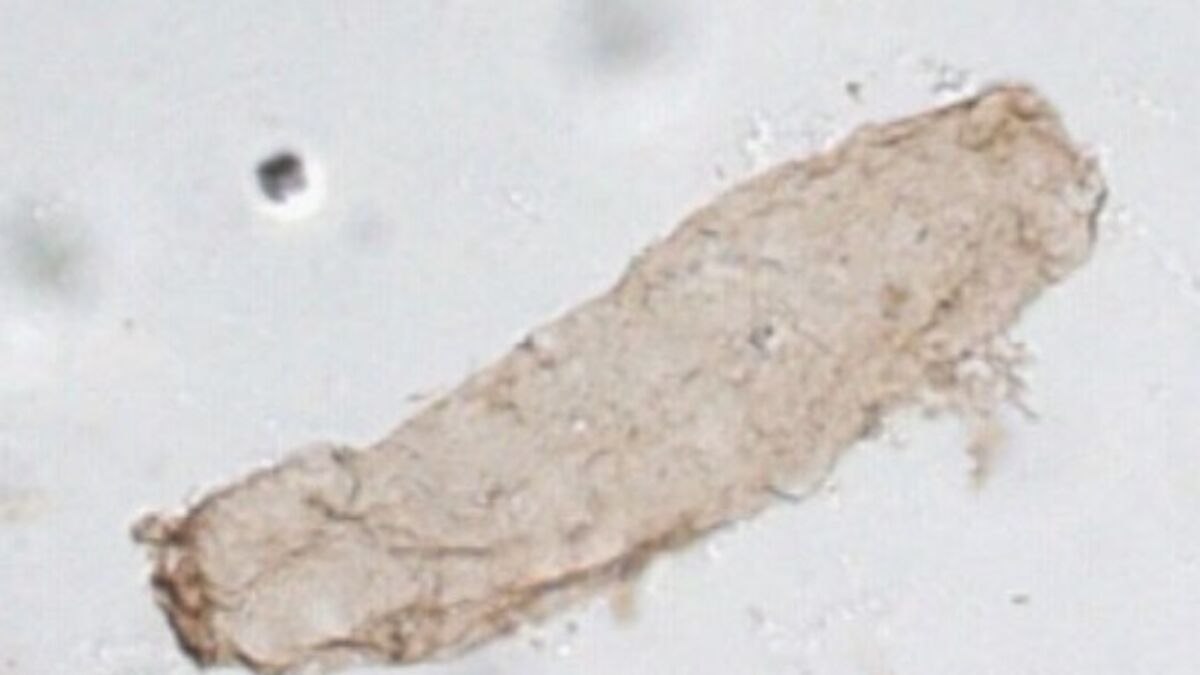
1.75 billion-year-old fossil gives us clues about oxygen on Earth
A sensational discovery in Australia helps scientists understand the history ofoxygen on Earth. A fossil dating back 1.75 billion years has been discovered, shedding light on our origins and revealing never-before-seen information about the evolution of life on our planet.
The crucial role of oxygen in evolution
Since always, theoxygen is an essential component of our atmosphere and a key factor in the development of life on Earth. It is necessary for all forms of life that we know, from microorganisms to anthropological beings. However, the concentration ofoxygen on Earth was not always as high as it is today. The discovery of this fossil helps us understand how and when oxygen became predominant in our atmosphere.
Details of the discovery in Australia
The fossil discovered in Australia belongs to a species of microscopic algae that lived in the oceans 1.75 billion years ago. The researchers were able to determine that these organisms were capable of photosynthesis, the process that produces oxygen from sunlight. This finding suggests that oxygenation of the atmosphere may have started much earlier than previously estimated.
The implications of this discovery
The discovery of this fossil has profound implications for our understanding of the evolution of life on Earth. It helps answer questions about whenoxygen began to accumulate in the atmosphere, an event that allowed the emergence of more complex life forms. Additionally, this study could also have implications for the search for life on other planets, providing clues about the conditions necessary for life as we know it to emerge.